Israel recalibrates Syria policy, explores path to security deal
Israel is rethinking its hard-line Syria policy and seeking to repair ties with US envoy and Donald Trump's confidant Tom Barrack amid a push for a security agreement with Damascus.

TEL AVIV — Israel is moving to de-escalate tensions with Turkey and Syria following its Aug. 18 bombing of the Abu al-Duhur air base in northern Syria, which Israel said was being prepared to host Turkish forces, an Israeli political source told Al-Monitor. Mossad chief Roman Gofman has been tasked with spearheading the effort.
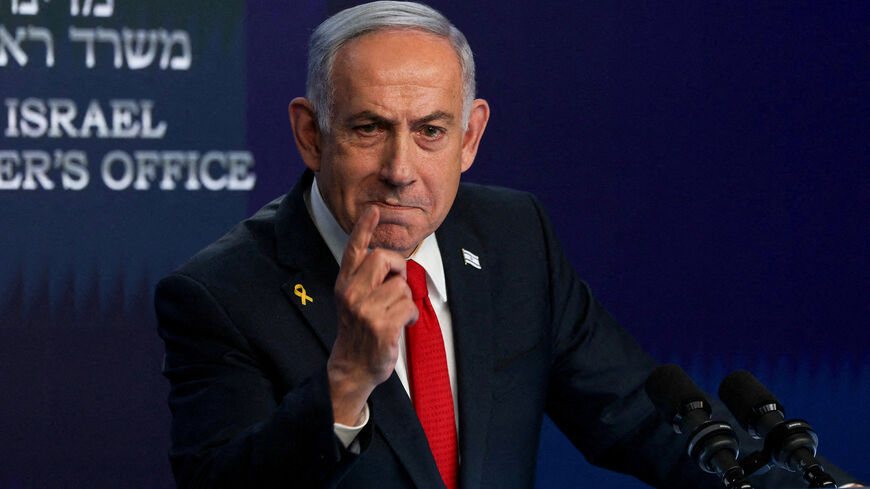
The apparent shift from Israel’s hard-line stance may reflect a desire to appease US President Donald Trump, who has been pushing for an Israel-Syria agreement, in hopes of securing Trump's endorsement of Israeli Prime Minister Benjamin Netanyahu’s reelection bid, the Israeli political source said.
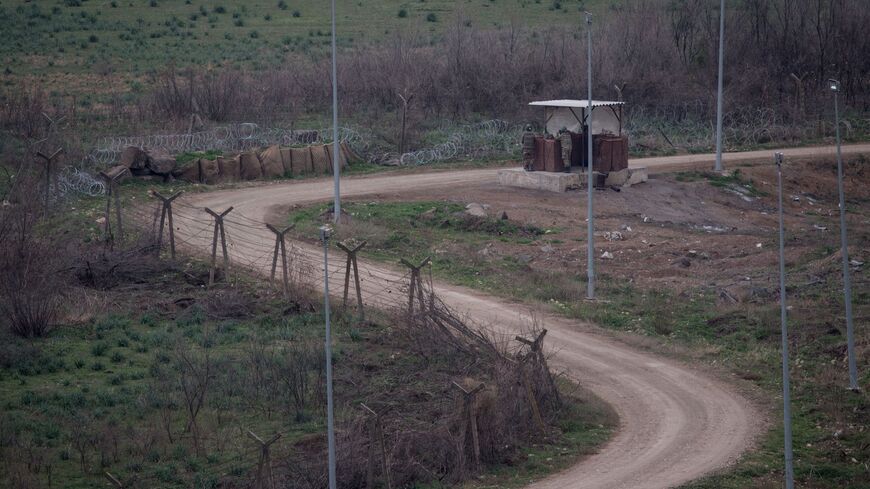
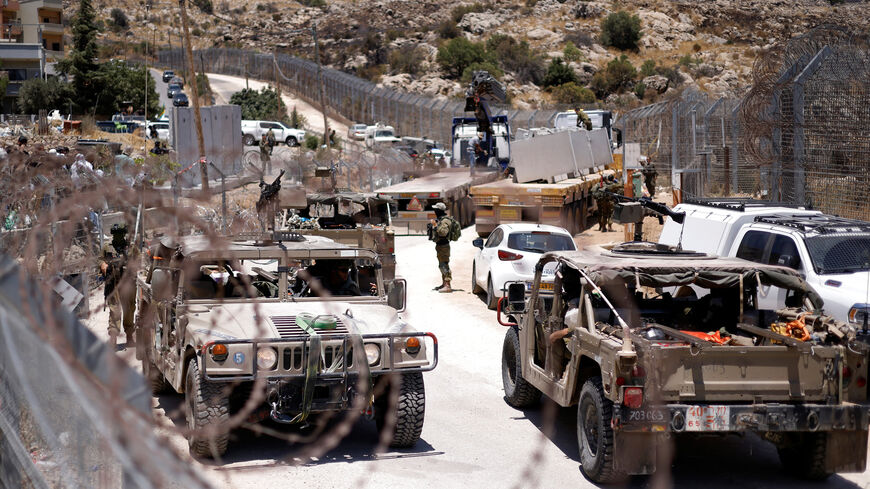
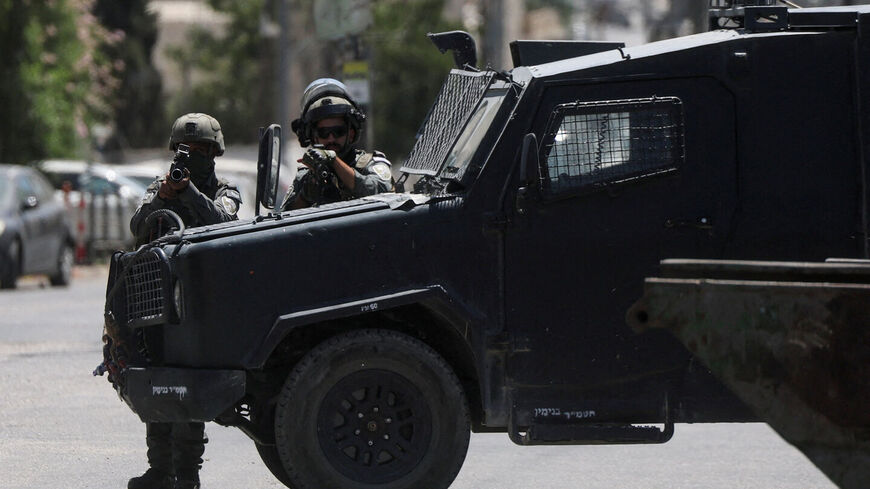
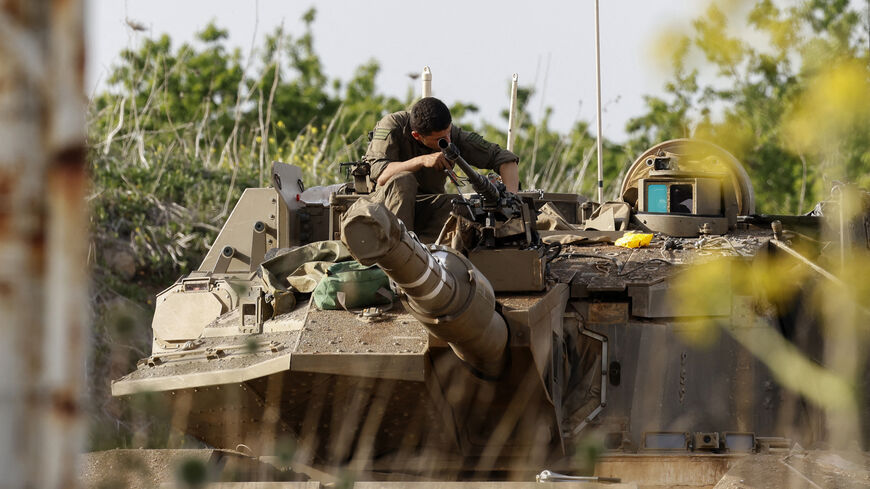
Still, the apparent shift is not yet reflected in the official rhetoric. Defense Minister Israel Katz said Tuesday that the Israeli military will not withdraw from Mount Hermon or other positions it seized following the fall of the Assad regime “as long as Israel faces jihadist threats.” On a visit to Israeli troops in southern Syria, Katz said the military had “acted against a Turkish attempt to establish a foothold in Syria, which jeopardizes Israel’s security interests. We have made our position clear and will continue to stand by it in the future.”
Gofman meets Shibani
Despite Katz's hard line against Damascus, on Sunday, Gofman met with Syrian Foreign Minister Asaad al-Shibani in Jordan under US auspices, Syria’s state news agency SANA reported.
The Israeli political source told Al-Monitor that the two men have been in contact previously in recent weeks, though he did not specify the nature of those exchanges. Reuters reported on Aug. 19 that Gofman and Shibani spoke by phone on Aug. 14, four days before Israel’s airstrike. Reuters reported that they discussed the possibility of a Turkish military deployment on Syrian territory.
Sunday’s discussions in Jordan included the resumption of the historic Israel-Syria talks on security arrangements along their border that began last year but stalled after Israel attacked Iran on Feb. 28. The officials also discussed the importance of bridging differences between Israel and Turkey — Syria’s neighbors to the south and north, respectively — to prevent tensions between them from spilling over into Syrian territory, SANA reported.
The high-level contacts signal a reversal of Israel's previously aggressive position, which focused on preventing a Syria-Turkey alliance to curb Turkish influence in the region, a senior Israeli security official told Al-Monitor on condition of anonymity.
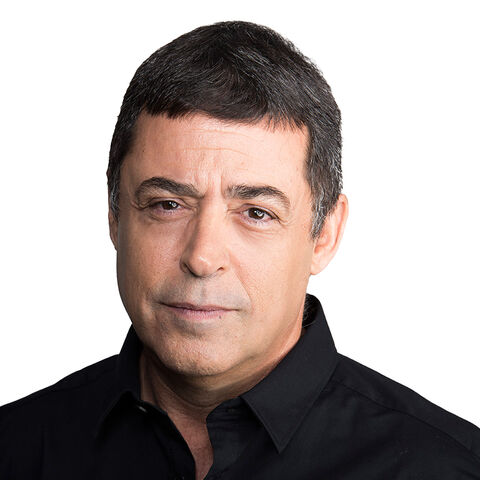
Udi Evental is a senior fellow at the Mind Israel Institute, a policy and strategy think tank. He served for 25 years in Israeli security agencies as a senior intelligence and strategic planning officer, including as the prime minister’s intelligence aide, before retiring in 2018.
Evental wrote in an opinion piece on the X platform on Thursday that Turkey is not Israel's enemy. He argued that the anti-Turkey campaign now being waged in Israel was designed to project the government's hard-line posture ahead of the Oct. 27 elections and curry favor with right-wing voters. Turkey is Israel’s adversary, but not its enemy, Evental wrote. While Ankara seeks regional influence and hegemony and its interests sometimes clash with those of Israel, treating Turkey as an enemy is political folly, he argued.
Interim agreement with Syria?
Opinions within Israel’s security establishment are divided over Syria, the senior Israeli security official said. Although the military recommended attacking the Syrian facility based on intelligence indicating Turkish involvement at the site, Evental’s views reflect a current among Israeli security officials that sees a deal with Syria as serving Israel’s interests, he explained.
Nevertheless, even those advocating progress with Damascus feel that a comprehensive agreement with Syria is not currently feasible, the official noted. Syrian President Ahmed al-Sharaa is unlikely to abandon Syria’s claim to the Golan Heights, which Israel annexed more than 50 years ago and which no Israeli government is likely to relinquish.
“We must focus instead on an interim agreement, with American and international guarantees, that would improve Israel's security and shut down at least one front that now requires a heavy deployment of troops and resources,” the official said. “Neither side has anything to lose from such an agreement — only to gain.”
Such a deal would not require costly Israeli concessions, he argued, including a withdrawal from border-area positions that Israel occupied following the ouster of the Assad regime in December 2024. “We don't really need the five points that we have seized on the Syrian side, nor the Mount Hermon summit. We managed fine without them in the past,” the official told Al-Monitor.
Unlike the threat posed by the Iran-backed Hezbollah militia along Israel’s border with Lebanon, Israel could defend its communities along the Syrian border if necessary without maintaining positions inside Syrian territory, he noted.
“Sharaa is ready to remove heavy weapons from the area between Damascus and the Israeli border, so the benefits of such an interim agreement for Israel are significant. It would also have a broad and profound impact on the entire Middle East, on relations with the Turks and on the general climate. There is no reason not to go there,” the official added.
Second thoughts on Barrack
Israel may also be reconsidering the hostility it displayed publicly last week toward US ambassador to Turkey and presidential envoy to Syria Tom Barrack, whom Israeli officials accused of harboring a pro-Turkey bias.
Interviewed on Mario Nawfal’s podcast last Friday, Barrack accused Israel of failing to warn Washington or Damascus before carrying out military strikes in Syria, though Israeli officials insisted that Israel had done so. The US envoy also described the Israeli strike as an “unnecessary escalation."
Posting on X on Saturday, Israeli Defense Minister Israel Katz denounced Barrack’s comments as “full of inaccuracies,” arguing that the envoy’s position on the Golan Heights contradicted Trump’s own policy.
“Barrack may not be perfect for us, but he is Trump’s man and has a long-standing relationship with him. He will not be replaced,” a senior Israeli diplomatic source told Al-Monitor on condition of anonymity. “Instead of fighting this, we should turn the situation to our advantage. Barrack should not be the problem, but the solution."
The diplomatic source noted that Barrack aspires to help broker an Israel-Syria agreement and that the prospects of reaching such an agreement — both with Syria and through understandings involving Turkey — represent more of an opportunity than a risk.
Win-win situation
Israel should now work to reach a non-belligerency agreement with Syria, the source argued. Such an agreement would include security arrangements, including the demilitarization of the Israel-Syria border area, as well as American guarantees. It could also include understandings with Turkey, he suggested.
“We must not forget that Turkey is a member of NATO. The chances of a war with Turkey are negligible,” he told Al-Monitor. “Instead of focusing on tactics, Israel should think strategically about what such an agreement could achieve in terms of regional stability, easing the need for massive troop deployments along the border and bolstering Israel’s international standing.”
But such a shift would require responsible political leadership.
“With public sentiment shifting to the right after Oct. 7 and Israel approaching elections, Netanyahu cannot afford any concessions,” an associate of the prime minister told Al-Monitor on condition of anonymity.
At the same time, Netanyahu is still hoping for an endorsement from Trump, though that prospect appears increasingly uncertain, he said. “If Netanyahu takes up the Syria issue, cooperates with efforts to reach an agreement with Sharaa and is portrayed as a stabilizing and calming factor rather than a warmonger, it could also influence Trump,” the associate said.
Such a shift in Israel’s posture could also help turn Barrack into an asset for Netanyahu rather than a liability, he added.