



Kuwait wooes wealthy foreigners with investor permit as war hits economy
The Gulf state announced a new 15-year year residency permit for investors on Monday, just a day after stripping citizenship from thousands.

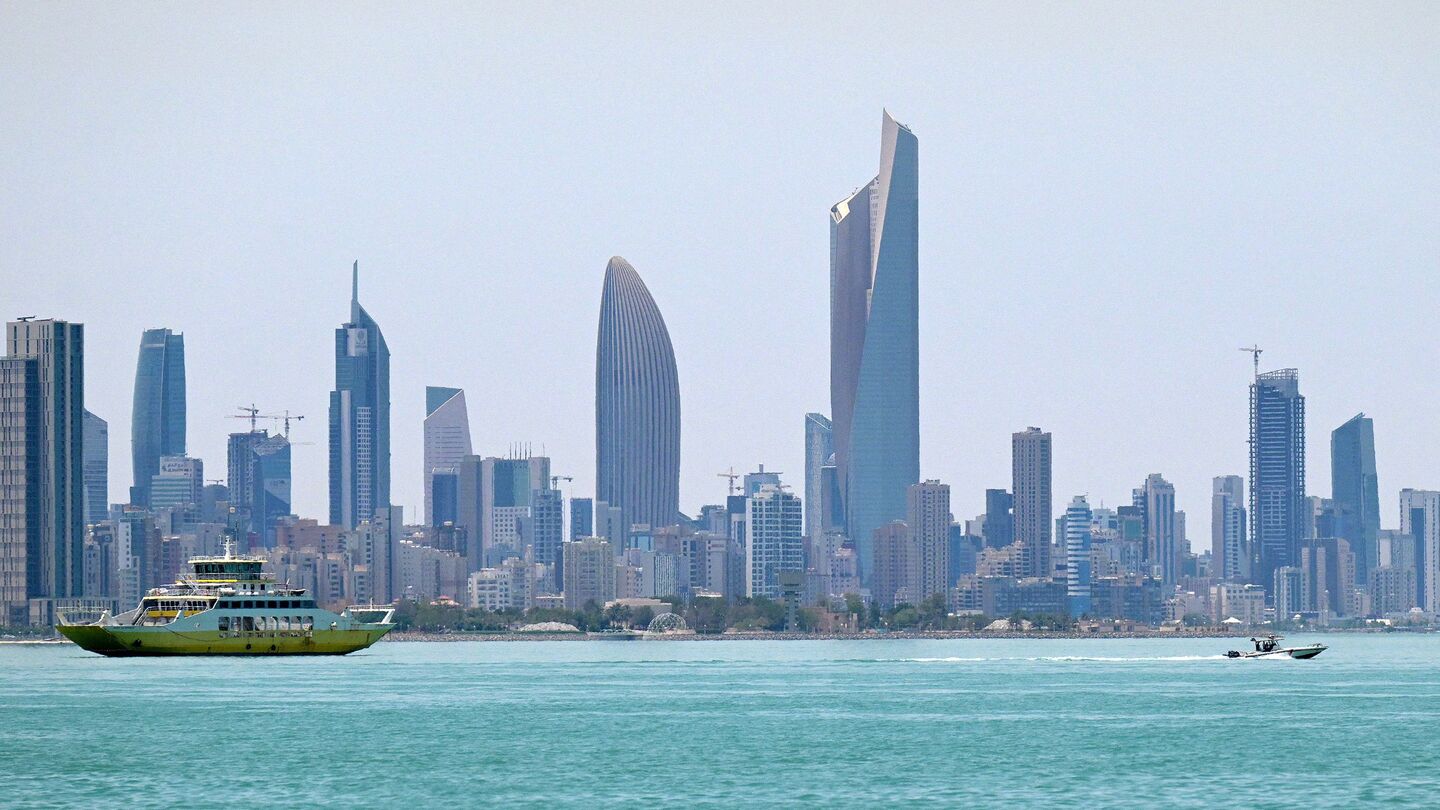
Kuwait unveiled a new 15-year residency permit for foreign investors on Monday, its latest effort to catch up with Gulf neighbors that have spent years wooing global wealth and talent as part of ambitious economic diversification drives. The move comes at a pivotal moment for Kuwait, which is taking a growth hit from the US-Israel-Iran war as the oil-rich state’s national overhaul strategy faces new obstacles.
What happened: Kuwait’s Ministry of Interior announced the new residency framework allowing eligible foreign investors and their families to obtain residency permits for up to 15 years.
The scheme, approved by the Council of Ministers, applies to accredited investors, partners and owners of licensed investment entities that meet minimum capital and employment requirements of Kuwaiti nationals. Eligible applicants must have at least $3.25 million in capital for approved investment activities.
Officials said the initiative supports Kuwait’s long-standing goal of transforming itself into a regional financial and commercial hub and builds on earlier efforts to strengthen the country’s investment environment.
On paper, the announcement brings Kuwait closer to regional peers such as the United Arab Emirates, Saudi Arabia and Qatar, which have rolled out long-term residency programs to attract investors, entrepreneurs and skilled professionals. However, the bar for securing this permit is still higher than in neighboring countries — the UAE's Golden Visa, for instance, requires a roughly $550,000 deposit in an investment fund or national bank operating in the country to qualify.
Why it matters: Kuwait is rushing to diversify its economy beyond oil and attract foreign capital at a time of mounting economic pressure.
While neighboring Gulf states led by the UAE have moved more aggressively over the past decade to position themselves as global business and investment hubs, Kuwait has often been viewed as a regional laggard despite pursuing its own Vision 2035 diversification agenda. Under Emir Sheikh Mishal Al Ahmad Al Jaber Al Sabah, authorities have sought to accelerate long-delayed economic reforms and make the country more attractive to investors.
Those efforts have taken on greater significance following disruptions to Gulf energy exports caused by the US-Israel-Iran conflict. Kuwait is among the states hardest hit by the Strait of Hormuz crisis. In April, the International Monetary Fund forecast that the crude producer’s economy would fall into recession this year, revising its real gross domestic product growth forecast from 3.5% to -0.6% due to the impact of the conflict. Among Gulf Cooperation Council states, only Qatar’s economy is expected to contract more this year.
Against that backdrop, Gulf states will be seeking to undo damage and win back foreigners rattled by the war, likely leading to more new initiatives to court wealth and talent.
Know more: The move also comes one day after Kuwait revoked the citizenship of 2,193 people under a series of decrees. The measures are part of a broader nationality review that has resulted in tens of thousands of residents losing citizenship since 2024 on grounds including alleged fraud, dual nationality and considerations tied to state interests.
This one's on us.
The story doesn't end here.
Our correspondents are already on the next chapter. Read everything they file, from $2/week.
See Offers