



Tunisian tourism slows in fallout of Mideast war


In Tunisia, May usually heralds the start of the summer tourism boom, but as the Middle East war wreaks havoc on the region, the season is opening on uneasy footing.
Industry officials blame the fallout from the conflict, which has sent oil prices and travel costs skyrocketing, even thousands of miles away in Tunisia's idyllic island of Djerba.
Anane Kamoun, director of the Royal Garden Palace hotel on the island, said reservations have fallen by about half this year at his establishment.
"When oil prices rise, airfares rise, and that's when tourists start reconsidering the cost," said Kamoun.
"When airfares increase by 70 or 80 euros, it's a significant amount, and tourists begin looking for alternatives."
The price of kerosene has doubled since the beginning of the year, forcing companies to raise flight prices, with some even cancelling flights with little profit.
The tourism industry, which accounts for 10 percent of Tunisia's GDP, is also bracing for a blow to the job market, where it normally employs about 400,000 Tunisians.
- Signs of resilience -
Last year, a record 1.2 million tourists visited Djerba, a five-percent rise compared to the previous year and slightly above the previous high set in 2019 before the pandemic, said Hichem Mahouachi, the regional representative of Tunisia's national tourism office.
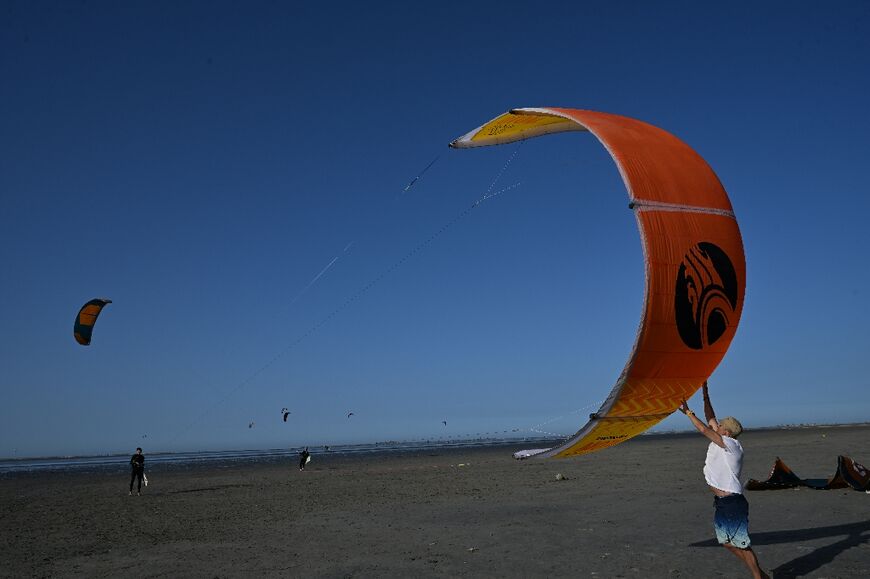
Officials had hoped for growth of up to eight percent this year, Mahouachi added, but the latest regional developments have clouded hopes for another record year.
Even so, Mahouachi pointed to signs of resilience.
Airlines have scheduled 5,600 flights to Djerba between April and September -- a 3.3 percent increase from a year earlier, with connections from 16 mostly European countries, he said.
Some destinations will likely be more impacted by disruptions than others -- especially long-haul routes that are more vulnerable to higher fuel costs, Mahouachi added.
However, Tunisia holds a major advantage: the Mediterranean country is just a two-hour flight from most European capitals.
"The increase in kerosene prices will not be felt in the same way as for long-haul travel," Mahouachi said. "Tunisia may even benefit from that."
"Tunisia is considered one of the safest destinations in the Mediterranean basin," the official added.
This one's on us.
The story doesn't end here.
Our correspondents are already on the next chapter. Read everything they file, from $2/week.
See Offers