



In south Syria, families fear for relatives seized by Israel


Whenever Fatima al-Safadi hears a knock at the door, she imagines it might be her sons -- among dozens of people Israel has seized from southern Syria and whose fate remains unknown months later.
Mohammed, 40, and Ahmed, 36, were among seven people seized in a nighttime Israeli army incursion into the village of Beit Jinn, southwest of Damascus, in June last year.
Israel's army said it apprehended several alleged members of Palestinian militant group Hamas accused of planning attacks on Israeli civilians and troops, and transferred them to Israeli territory "for further interrogation".
Syria said a civilian was killed in the incident.
Safadi, 57, has not seen her two sons since.
"Sometimes I hear a knock at the door and I rush to open it, but there is nobody there," she said, holding a picture of her sons close.
"I'm afraid about what has happened... and that they won't be released," she told AFP.
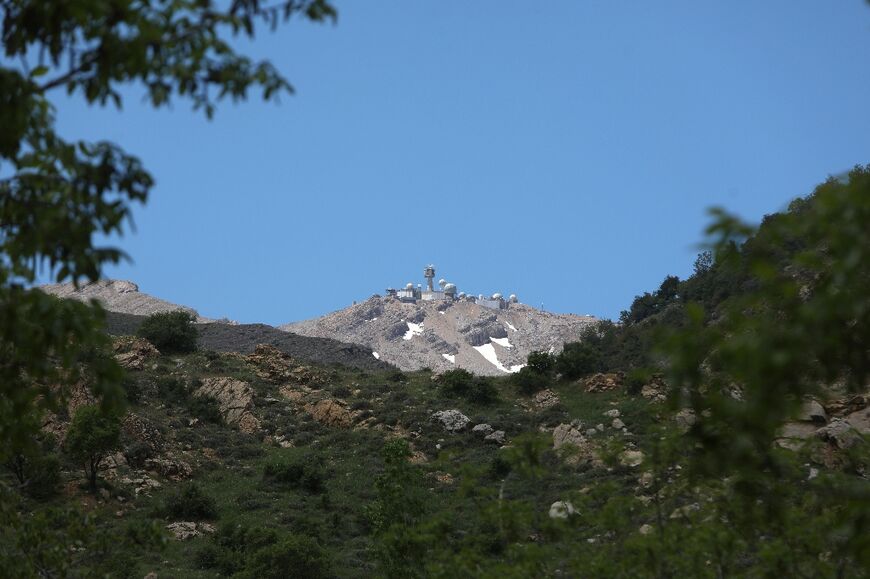
Beit Jinn is located near the Israeli-annexed Syrian Golan Heights and at the foot of Mount Hermon, known in Arabic as Jabal al-Sheikh.
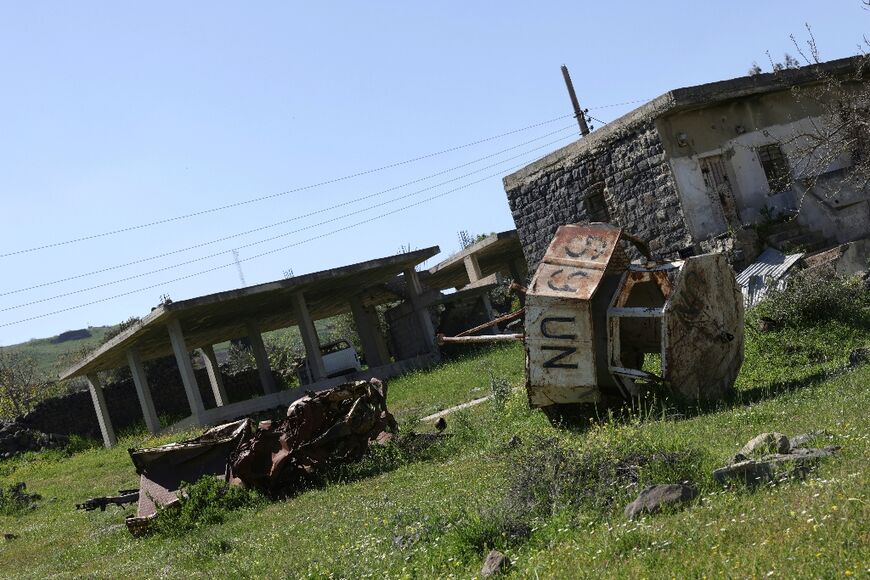
Israel moved its forces into a UN-patrolled demilitarised zone on the Golan after the December 2024 ousting of longtime Syrian ruler Bashar al-Assad and now controls a permanent position at the summit of Mount Hermon.
It has also launched hundreds of strikes on Syria and carries out regular incursions into the country's south, where it demands a demilitarised zone.
Safadi said her joy at Assad's overthrow was overtaken by suffering after her sons were taken.
- 'Incommunicado' -
Along the road leading from Damascus to Beit Jinn, Syrian soldiers with light weapons man checkpoints, while heavy army vehicles previously stationed near Jabal al-Sheikh are gone.
Another resident, Aisha al-Safadi, 53, fought back tears as she spoke of her son Hassane who was among those seized in Beit Jinn last June.
"It's hard because we don't know what's happened to him," she said, kissing one of his photographs.
"I've been counting the days and nights" since he was taken, she said, his three children gathered around her.
"Every day, I say to myself, he'll be released."
She pleaded for the Syrian government to "help in every way possible to get our people released from Israel".
In a report this week, Human Rights Watch said that since Assad's fall, Israeli forces have "carried out frequent ground raids, airstrikes, and other operations in Quneitra, Daraa, and Sweida" provinces in the country's south.
"Israeli forces have also arbitrarily detained Syrian civilians and transferred them into Israel, where they are held without charge and incommunicado," it added.
Last November, the Israeli army said it carried out an operation in Beit Jinn to apprehend suspects from Lebanese Islamist group Jamaa Islamiya, a Hamas ally which denied having any activity outside Lebanon.
The operation left 13 Syrians dead and six Israeli soldiers wounded.
- 'Torment' -
In a government building close to a new Israeli military base, Quneitra province official Mohammed al-Saeed said that "the Israeli army has kidnapped more than 50 people" from the region.
Israel "has occupied new lands at a depth between 500 metres (1,640 feet) and one kilometre, over an area of around 240 square kilometres" where its forces have set up temporary checkpoints and stormed homes, he added.
Israel's army told AFP's Jerusalem bureau that in Syria its forces "have apprehended individuals where there was reasonable suspicion of their involvement in terrorist activity against the State of Israel".
"In appropriate cases, continued detention is carried out for preventive security purposes, in accordance with Israeli law and the applicable rules of international law," it said in a statement.
"Detention orders and their duration are subject to judicial review as required by law," it added.
Since ousting Assad, Syria's Islamist authorities have held a series of talks with Israeli officials.
This year, under US pressure, Israel and Syria agreed to establish an intelligence-sharing mechanism as the two countries edge towards a security agreement after decades of hostilities.
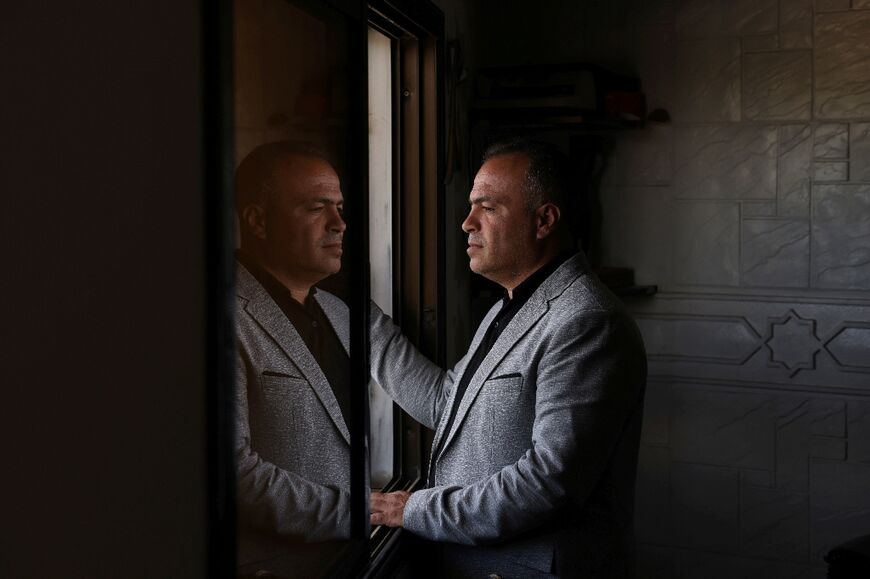
In the Quneitra province town of Khan Arnabah, real estate agent Mohammed al-Sayed, 45, recounted with anguish his detention by Israeli forces last year.
"During my 65 days in prison, every moment far from our families, our children, our relatives, was like being besieged," he said.
"Every moment that passed was a torment," he said.
"What about those who have been there for more than a year without any news of their families, and without their families knowing what has happened to them?"
This one's on us.
The story doesn't end here.
Our correspondents are already on the next chapter. Read everything they file, from $2/week.
See Offers