



Russia says OPEC+ will continue after UAE exit, no price war expected

By Vladimir Soldatkin and Anton Kolodyazhnyy
MOSCOW, April 30 (Reuters) - Russia's Deputy Prime Minister Alexander Novak said on Thursday that the OPEC+ group of leading oil producers would continue working together despite the departure of the United Arab Emirates, Russian news agencies reported.
According to the reports, Novak said he did not expect an oil price war to emerge following the UAE's exit given a global oil deficit.
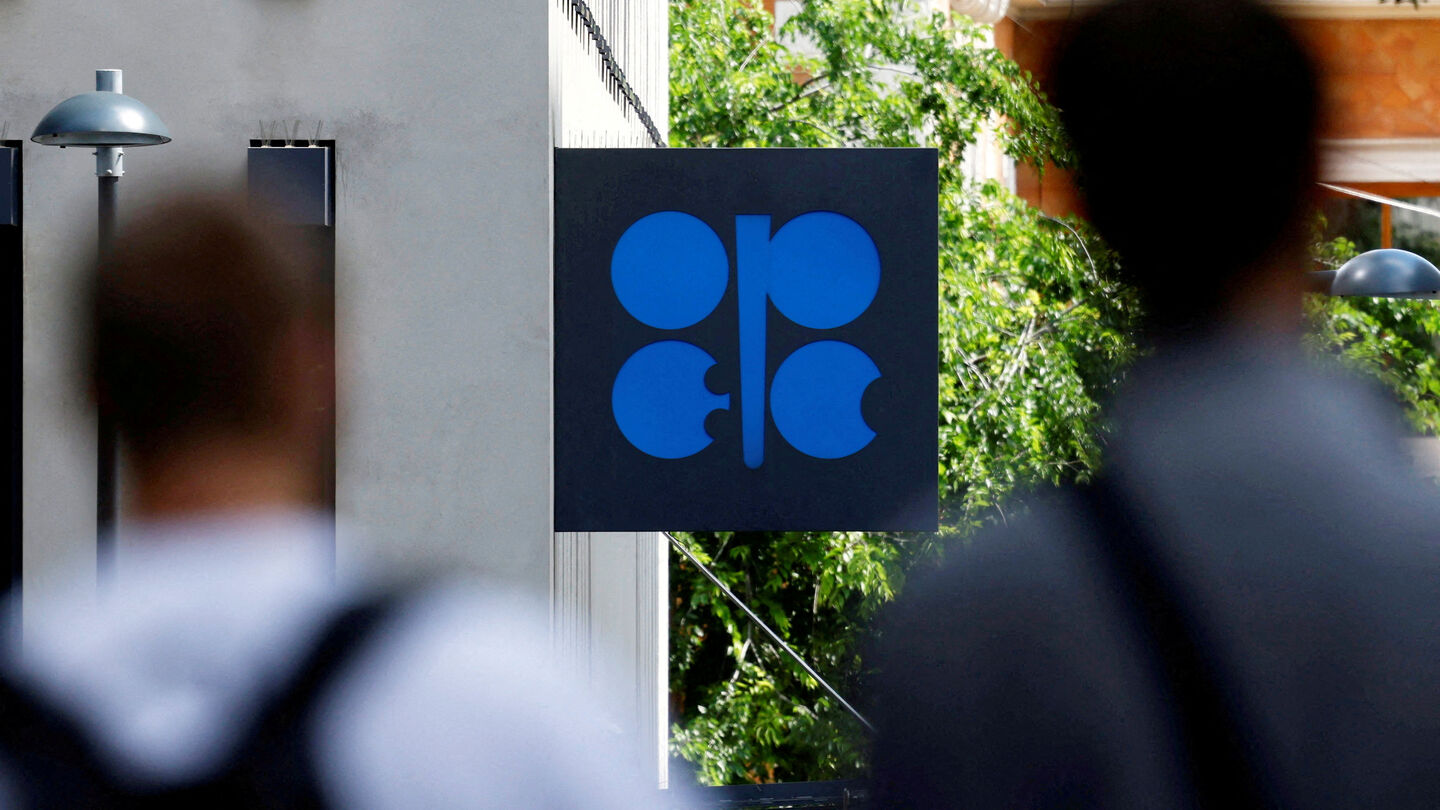
The UAE said on Tuesday it was quitting OPEC, dealing a blow to the oil producers' group as an unprecedented energy crisis triggered by the Iran war exposes discord among Gulf nations.
The UAE was the fourth-largest producer in OPEC+, which comprises OPEC and its allies, while Russia is second, behind Saudi Arabia.
"In the current situation, it is hard to talk about a price war when there is a shortage in the market. What we are seeing instead is the deepest crisis in the industry," Novak was quoted as saying by Interfax news agency.
"Large volumes of oil are not reaching the market today, while demand significantly exceeds supply. This has created an imbalance due to serious logistical disruptions, including the situation in the Middle East," Novak said according to Interfax.
Novak also reiterated that Russia will remain in OPEC+, which was formed in 2016, and that it was committed to the group's mechanism, which regulates participants' production.
SEVERAL MONTHS NEEDED FOR MARKETS TO RECOVER
Since the U.S.-Israeli war against Iran that began on February 28 caused the near-total closure of the Strait of Hormuz, the global market has lost access to 500 million barrels of crude and refined products output, according to analysts at Citi.
That sparked surging prices on panic buying, but the higher prices have destroyed demand from consumers and refiners.
Novak estimated the loss at 600 million barrels, saying that it would take several months for the global market to recover.
"This is a fairly large volume. Many countries have been forced to draw on their reserves, depleting their accumulated stocks. When the crisis ends, those reserves will need to be rebuilt," he was quoted as saying by Interfax.
Novak also did not rule out further oil price increases if the conflict drags on.
(Reporting by Anton Kolodyazhnyy and Vladimir Soldatkin. Editing by Mark Potter, Kirsten Donovan)
This one's on us.
The story doesn't end here.
Our correspondents are already on the next chapter. Read everything they file, from $2/week.
See Offers