What US-Iran war means for oil prices, shipping and global markets

Oil surged and global markets slid after a US-Iran war disrupted shipping through the Strait of Hormuz, raising fears of prolonged energy supply shocks and wider economic fallout.

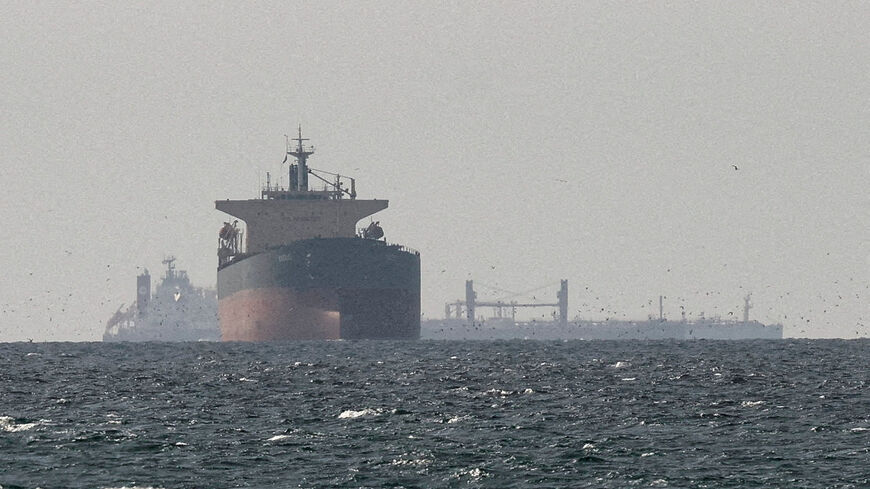
A cargo ship is pictured off the coast of Fujairah in the Strait of Hormuz, in the northern emirate, Feb. 25, 2026.
A cargo ship is pictured off the coast of Fujairah in the Strait of Hormuz, in the northern emirate, Feb. 25, 2026. — Giuseppe CACACE / AFP via Getty Images

Oil prices rose more than 8% and most global stock markets fell on Monday morning following the outbreak of a US-Iran war over the weekend, which has disrupted shipping through the Strait of Hormuz, sparking investor fears of a prolonged blockade and a global energy shortage.

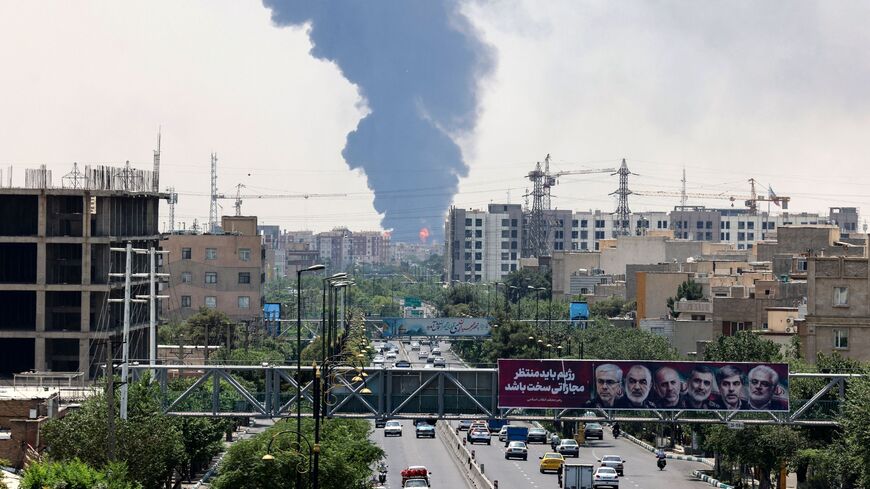
On Saturday, the United States and Israel announced that they had killed Iran's Supreme Leader Ayatollah Ali Khamenei in an airstrike earlier that day in Tehran. Iran has retaliated by firing barrages of missiles at Israel and US bases in the region, as well as Gulf cities.

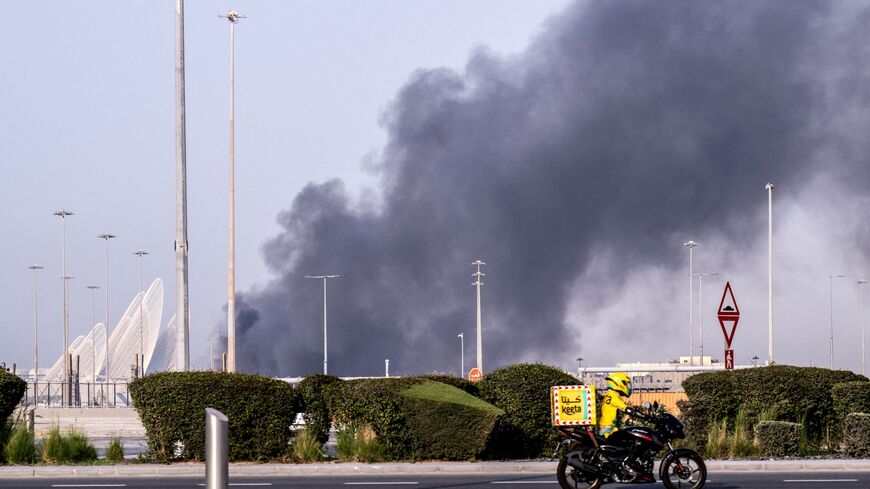
Iranian missile and drone attacks have also struck key energy facilities in the region, including an oil refinery in Saudi Arabia and two gas plants in Qatar.

What happened: Brent crude futures were trading at around $78.70 a barrel at 10 a.m. Eastern Time on Monday, after jumping nearly 13% to about $82 when markets opened at 6 p.m. ET on Sunday following the US-Israeli attacks on Iran and disruptions in the Strait of Hormuz.

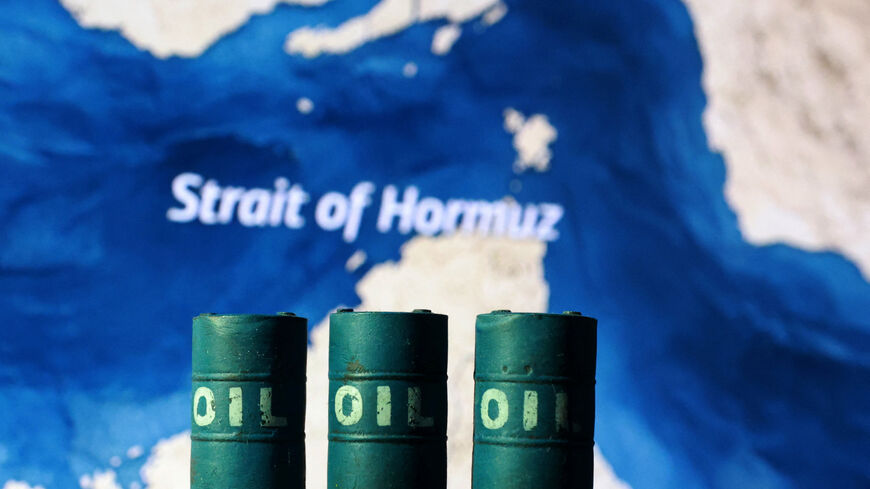
The Strait of Hormuz, a critical maritime chokepoint, saw around 20 million barrels of oil per day pass through it in 2024 – equivalent to about 20% of global petroleum liquids.

Beyond the disruption to shipping routes, attacks on energy infrastructure across the Gulf have begun to affect production itself, raising the risk of deeper supply shocks.

Qatar's state energy company, QatarEnergy, said on Monday that it halted liquefied natural gas production after Iranian attacks on its facilities in Ras Laffan and Mesaieed. Qatar is one of the world's top LNG exporters, alongside the United States, Australia and Russia.

Meanwhile, Saudi state energy company Aramco halted operations at the country's largest oil refinery in Ras Tanura after a drone strike in the area. The company closed the 550,000-barrel-per-day Ras Tanura plant on Monday as a precaution while assessing damage, the Saudi Energy Ministry said in a statement relayed on the country’s state news agency.

Elsewhere, financial markets around the world also faced a battering. Most Gulf markets fell on Monday morning ET amid the unrest, while the United Arab Emirates — one of the region’s largest economies — suspended trading for two days. Qatar’s benchmark QSI was down 3.2%, Kuwait’s index BKP was down 2.3%, while Saudi Arabia’s benchmark TASI declined 0.1%.

Omani capital Muscat’s index bucked the trend and climbed 1%. The Gulf country has been less impacted by Iran’s strikes, given its role as a mediator between Tehran and Washington, hosting nuclear talks before the war began on Saturday.

In the United States, Dow Futures declined 576 points, or 1.2%, S&P 500 futures lost 1.1% and Nasdaq 100 futures fell 1.4%.

In the United Kingdom, the FTSE 100 was down 1.23%. In France, the CAC 40 was down 1.95%, and in Germany, Frankfurt’s DAX 40 tumbled more than 2%, trading at over a three-week low.

Why it matters: The UAE is often seen as the economic hub of the Middle East, and its announcement on Sunday that it would stop trading for two days threatens to upend regional and global markets. The UAE Capital Markets Authority said in a statement on Sunday that the Abu Dhabi Securities Exchange and Dubai Financial Market would remain shut on March 2-3.

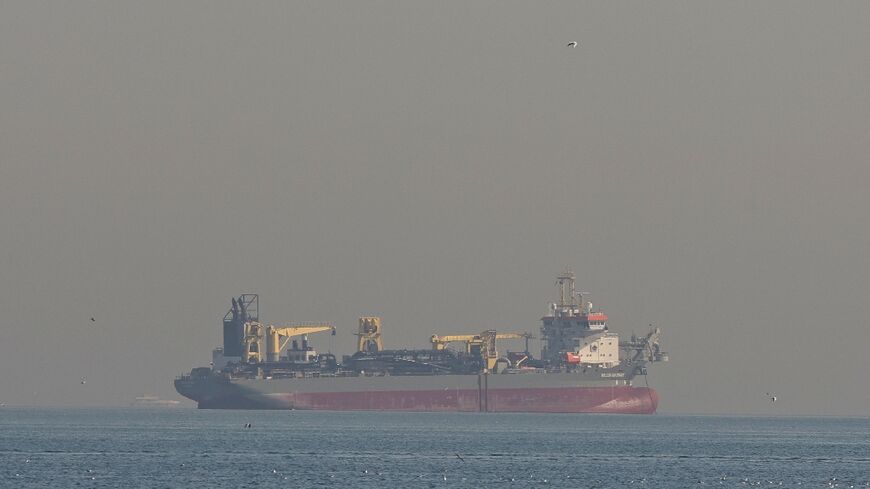
Hundreds of ships have been stranded on either side of the Strait of Hormuz after reports of military activity in the waters since the war began on Saturday. As of this writing, at least three tankers have been damaged off the Gulf coast, and more than 200 vessels — including oil and LNG carriers — were reported anchored near the strait as operators assess security risks.

A prolonged closure would hit exports from all major producers in the Gulf region. While Saudi Arabia and the UAE have some capacity to reroute crude via pipelines that bypass the Strait of Hormuz, Qatar remains dependent on the waterway for LNG exports. On Sunday, the OPEC+ alliance agreed to raise output by 206,000 barrels per day starting in April — a modest increase equivalent to less than 0.2% of global demand and unlikely to offset a major disruption.

Know more: Despite the market meltdown, Barclays Capital global chairman of research Ajay Rajadhyaksha said the war has not yet escalated to a point where it significantly alters the US economic outlook.

“The tail risk of a sustained conflict is higher than in 2024 or 2025, though we don’t see this war escalating to a point where it drastically changes the US outlook,” Rajadhyaksha said in a research note. He said that given how early it was in the week, it “is too early to buy any dip, especially with investors used to a pattern of quick de-escalation.”

Gold futures jumped 3% to around $5,300 as global investors poured money into the safe-haven asset.

Sam Wendel contributed to this report.

Related Topics