



Joy of Ramadan sapped by destruction of Middle East war


For Muslims across the world, Ramadan is synonymous with prayer, spirituality and joyful nighttime gatherings, but across much of the Middle East, the Iran war means evenings no longer have anything festive about them.
The celebrations that usually accompany the holy fasting month have been spoiled by bombing, displacement and cash shortages, all soundtracked by the frequent wail of air raid sirens.
Last week, Zainab El Masry, 40, of Lebanon, was preparing lentil soup and fattoush salad for iftar, the fast-breaking meal taken at sunset, with her family.
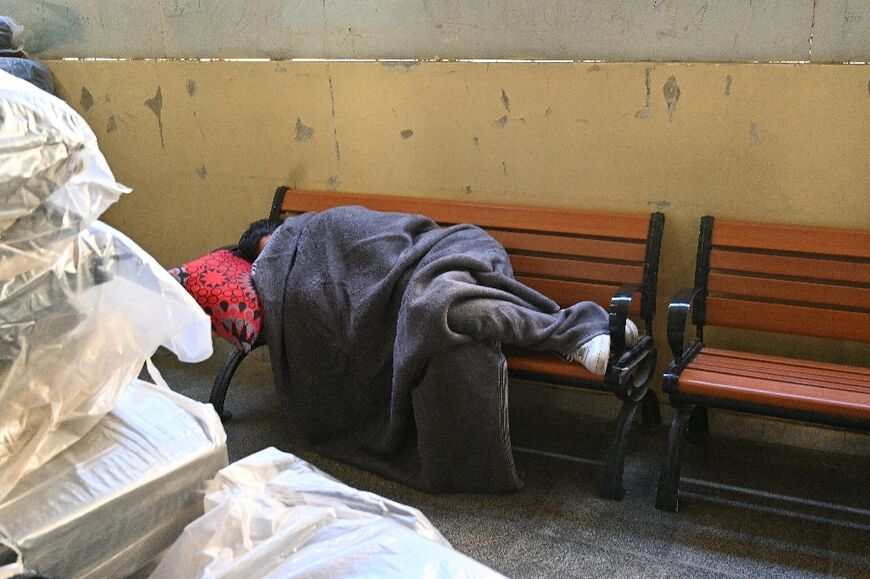
Now, after fleeing her home under Israeli bombardment, Masry was sleeping with her husband and their children on the grimy pavement of a Beirut square.
Israel has hammered large parts of Lebanon since last Monday, killing more than 400 people, in response to an attack by Hezbollah, which the group launched to avenge the death of Iranian supreme leader Ali Khamenei in the US-Israeli attacks on Iran.
"We have nothing to eat or drink, just a bit of bread," Masry said.
The war has driven half a million people in Lebanon from their homes, but "everyone wants to fast, to pray, to perform their ablutions, and to be able to buy something to cook," said Hala Hawila, 70, as the cries of children echoed through the school turned shelter she had taken refuge in.
"We've almost used up our money," she said. "What will we do next?"
– 'Coffee on the house' –
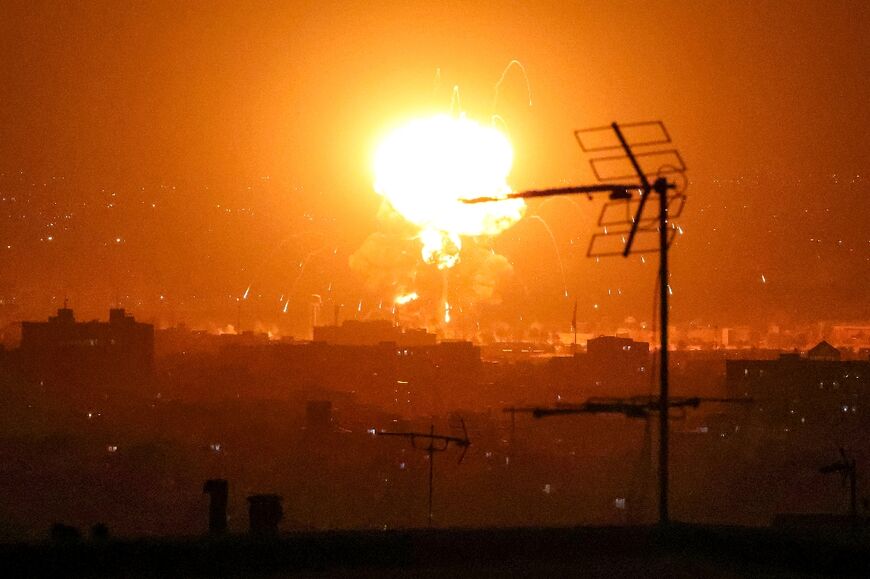
In Iran, where war has been everywhere since the US-Israeli offensive began, residents expressed a mix of anxiety and frustration at rising prices and fuel shortages.
"Goods have become very expensive. For example, the price of a can of oil has gone from 400,000 tomans ($1.56) to 2.2 million tomans ($8.25)," said Mohammad, 38, an employee at a poultry farm in Bandar Abbas, in the south of the country.
"The bombs no longer seem enough to disrupt our routine," said a cafe manager in the northeastern city of Boukan.
"What amazes me the most is that people insist on sitting out on the terrace to watch the bombardments, as if it were a show," continued Reza, 36.
"Despite the chaos, the shops are still packed… The real problem is money: banks no longer distribute cash and many bank cards are blocked," he said.
"So in my cafe, I made a simple decision: for those who can't pay for their coffee, it's on the house."
The economic situation was no better in Israeli-occupied east Jerusalem, already battered by the collapse in tourism caused by the Gaza war.
Alleys that would usually be packed during Ramadan were almost deserted and Al-Aqsa mosque, Islam's third holiest site, had been closed.
Israeli soldiers posted at entrances to the old city checked ID cards under the state of emergency declared by the authorities.
Merchants usually count on Ramadan to turn a profit.
"The situation is desperate," says 83-year-old Abu Imad, fingering his prayer beads.
"No one from outside is entering the city; only residents have access."
– Shortened prayers –
In the Gulf, worshippers watched anxiously as Iranian missiles and rockets streaked across the sky above their heads.
These wealthy countries, which pride themselves on their stability and economic success, are being hit by reprisals from Tehran because they host US military bases.
"Nothing is as it was before, our daily life has been upended," said Hessa Mohamed, 42, who came to pray in her neighbourhood mosque in Bahrain.
In Bahrain, as in Kuwait, Qatar and Dubai, streets and shopping centres empty as soon as the sirens sounded, while prayers are often shortened or even limited to the last prayer of the day instead of the usual five.
"This Ramadan is marked by mistrust and apprehension," said Niama Hamdi, a teacher in Kuwait.
Everywhere, conversations revolved around the war: "I will never forget this Ramadan; we are living it in terrible conditions that we did not choose," said Bahraini academic Loulwa Hassan.
She recalled the years when "we waited for Ramadan impatiently".
"The current situation deprives us of the joy of seeing our loved ones again," she said, expressing eagerness to "return to a normal life".
Ibrahim Ali Ibrahim, a 15-year-old student in Bahrain, now attends classes remotely. The tiny island nation has been repeatedly targeted by Iran, with another 32 people injured in a drone attack on Monday.
"I've been very tense… As soon as the siren sounds, I lose my concentration," said the teenager.
"This Ramadan is very different from previous years. I miss my classmates and my school."
burs-cl/ris/dcp
This one's on us.
The story doesn't end here.
Our correspondents are already on the next chapter. Read everything they file, from $2/week.
See Offers