Israel says creating buffer zone in Lebanon, troops seize new positions


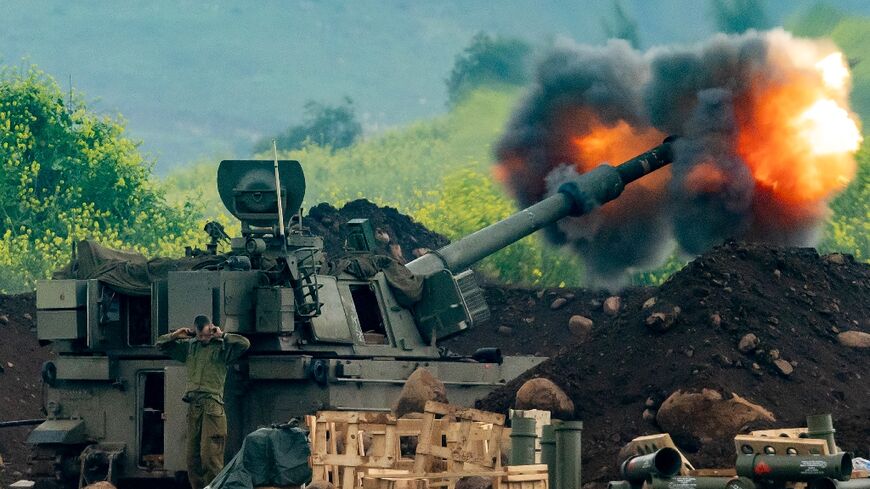
Israel on Tuesday said it was establishing a buffer zone inside Lebanon and had ordered its troops to seize additional positions across the border, as several projectiles were fired from Lebanese territory into Israel.
"Prime Minister Benjamin Netanyahu and I have authorised the Israel Defense Forces (IDF) to advance and take control of additional strategic positions in Lebanon in order to prevent attacks on Israeli border communities," Defence Minister Israel Katz said in a statement.
Military spokesman Brigadier General Effie Defrin, in a separate statement, said troops were creating a buffer zone inside Lebanon.
"In practice, Northern Command has moved forward, taken control of the dominating terrain, and is creating a buffer, as we promised, between our residents and any threat," he said.
In response, the Lebanese army said it has redeployed soldiers from several recently established border positions on Tuesday following the Israeli army's "escalation", a Lebanese military source told AFP.
The Lebanese troops "numbering in total eight to nine soldiers at each point, were redeployed to their bases because of the danger to their safety", the Lebanese military said.
Lebanon was drawn into the regional war a day earlier after an initial rocket attack on Israel by Hezbollah, which said it wanted to "avenge" the killing of Iranian supreme leader Ayatollah Ali Khamenei during the US-Israeli strikes.
Israel promptly responded with large-scale strikes on Lebanon, where the government on Monday declared an immediate ban on Hezbollah's military activities.
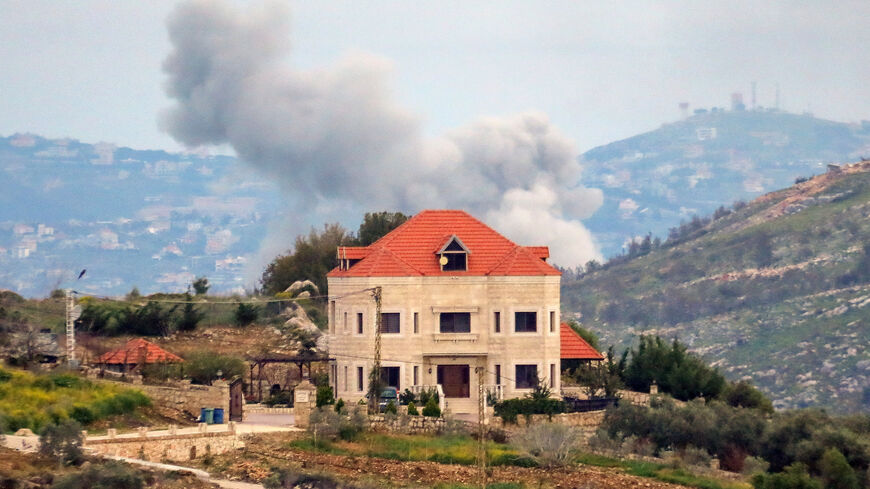
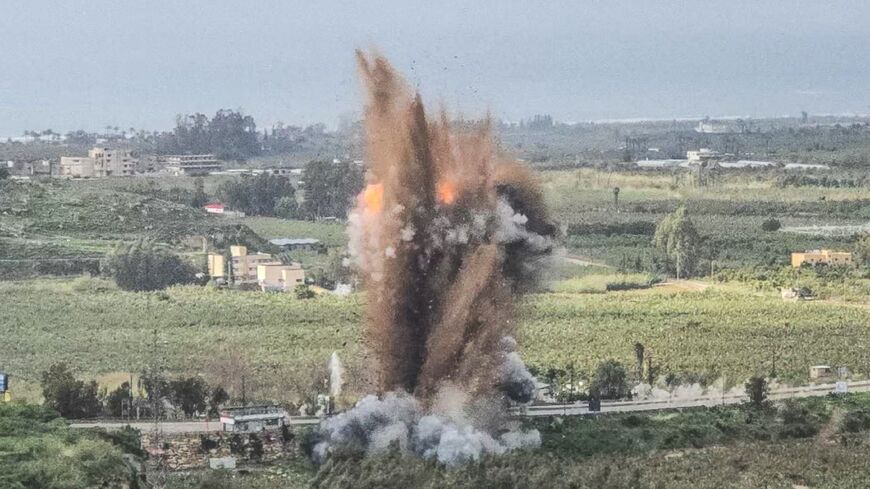
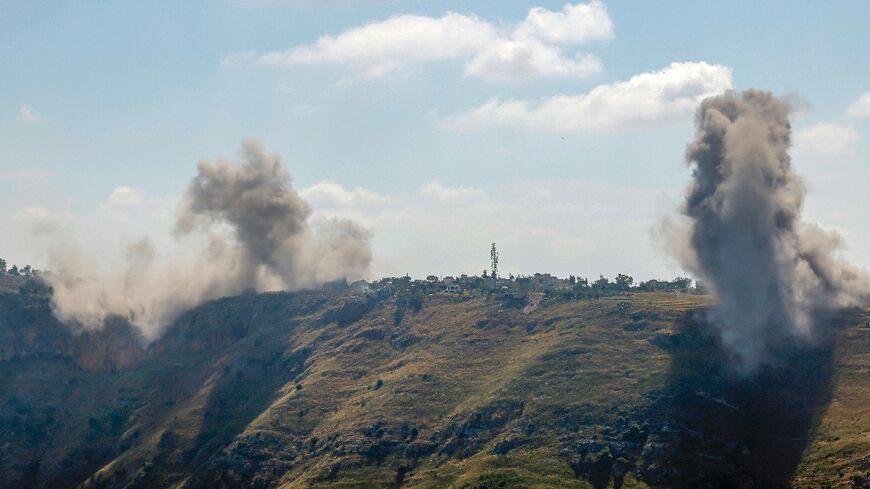
By Tuesday, the Israeli military said it had already struck more than 160 Hezbollah targets "throughout south Lebanon", including members of the Radwan Force, an elite fighting unit of Hezbollah.
It also killed Hezbollah's intelligence chief, Hussein Muakalled, it said.
Later on Tuesday, the Israeli military said that several projectiles were fired from Lebanon towards Israel but a majority of them were intercepted.
Meanwhile, Israeli military chief Lieutenant General Eyal Zamir said Israel was "determined to eliminate" Hezbollah until it was disarmed.
- 'All options on table' -
The military also said it would strike Hezbollah's assets in the city of Tyre, home to a UNESCO World Heritage site, as it warned residents of some buildings there to leave.
A Lebanese army source told AFP that Israeli forces advanced into a border area, expressing concern over "Israel's attempt to establish a broad security belt in south Lebanon".
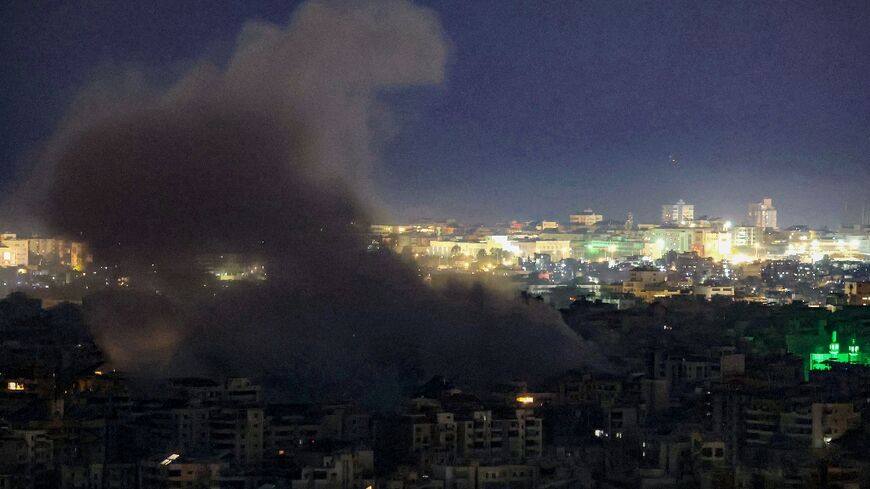
AFPTV reported Tuesday a series of air strikes hitting Beirut's southern suburbs, an area where Hezbollah holds sway, without any prior warning.
The military has also hit Hezbollah command centres, weapons storage facilities, and satellite communication components in Beirut, it said.
Hezbollah said it targeted on Tuesday three Israeli military bases in response to the Israeli strikes on the group's strongholds.
After alert sirens wailed in northern Israel during a missile and rocket fire from Lebanon, an AFP journalist reported a rocket had struck a house in the village of Yuval, on the Lebanese border.
One person was lightly injured by glass shrapnel as a result, the first responders agency, Magen David Adom, said.
Although Israel has maintained that it is not planning a full-scale ground invasion of Lebanon, the military has stated that "all options are on the table" to halt incoming rocket fire from Hezbollah.
On Tuesday, Katz declared that troops had been ordered to seize additional locations inside Lebanon, though the military described these steps as "tactical measures" rather than a ground invasion.
Israeli forces had previously entered Lebanon in September 2024 after nearly a year of cross-border exchanges initiated by Hezbollah in support of its Palestinian ally Hamas following the outbreak of the war in Gaza.
Tens of thousands of residents on both sides of the border were evacuated as fighting between the two intensified.
The Israeli military has since said it did not plan to evacuate northern communities again, noting that it has reinforced troop deployments along the Lebanese border and strengthened air defences in the area.
But Lebanese authorities said the ongoing Israeli strikes had already displaced more than 58,000 people in Lebanon.
Israel was supposed to withdraw all of its forces from Lebanon under a November 2024 ceasefire but has kept troops in five border areas it deems strategic, citing Hezbollah's refusal to surrender its own arms.
Despite the ceasefire, Israel has conducted regular air strikes on Hezbollah positions in Lebanon even before the current hostilities erupted.
burs-lba-jd/rh