Yemen separatists accuse Saudi Arabia of 'betrayal' as pro-Riyadh forces advance
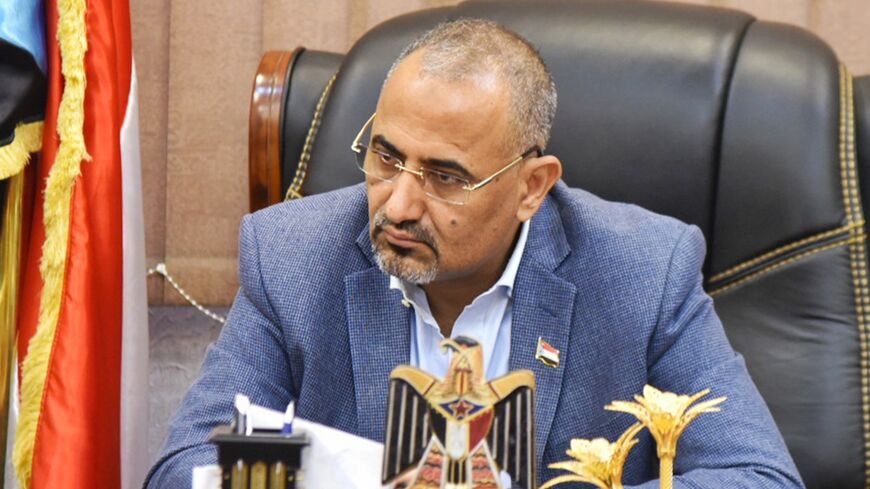
Southern Transitional Council head Aidarus al-Zubaidi did not board a scheduled flight to Saudi Arabia for talks as Riyadh intensified its airstrikes against the group.


Yemen's southern secessionist movement confirmed on Wednesday that its leader Aidarus al-Zubaidi remained in the country instead of heading to Saudi Arabia for peace talks, as the kingdom launched fresh airstrikes, marking the latest escalation in the war.
What happened: The Saudi-led coalition in Yemen released a statement early Wednesday morning accusing Southern Transitional Council leader Zubaidi of having “fled” after he missed a scheduled flight to Riyadh. According to the coalition, Zubaidi had agreed to travel to the capital to engage in talks with the head of Yemen’s Presidential Leadership Council, Rashad al-Alimi, about the situation in the country.
Other members of the STC boarded the flight, but Zubaidi mobilized forces in the southern Dhale province and distributed weapons in Aden, the coalition said, adding that it conducted strikes in Dhale in response.
Local reports of multiple Saudi airstrikes targeting STC military camps in Al-Dhalea, the home governorate and stronghold of the STC president. Taking pieces off the chess board and going for eliminating any military advantage. #Yemen pic.twitter.com/W71pbnEnKy
— Hisham Al-Omeisy هشام العميسي (@omeisy) January 7, 2026
The PLC said in a Wednesday statement that Zubaidi has been expelled from the body, accusing him of committing “high treason” and referring him to the public prosecutor.
The STC responded to the allegation with a statement of its own later on Wednesday, saying that Zubaidi is in Aden “carrying out his duties” to maintain stability and that its secretary-general, Sheikh Abdul Rahman al-Sabihi, led the delegation to Riyadh. The council condemned the Saudi strikes as a “regrettable escalation," saying they caused civilian casualties.
The southern secessionist group said it is concerned about its delegation in Riyadh and unable to communicate with them, decrying the “lack of any official information regarding their whereabouts.” However, senior STC member Mohammad al-Ghaithi said later on Wednesday that he was in Riyadh for talks.
"I have arrived in the city of Riyadh accompanied by colleagues from Aden, and in a positive atmosphere, we will begin a series of meetings to prepare for a South-South dialogue under the auspices of our brothers in the Kingdom of Saudi Arabia," wrote Ghaithi on X.
STC officials have lashed out at Saudi Arabia in the wake of recent events. Council Vice President Hani Bin Brek wrote on X that “Saudi Arabia has chosen the path of treachery and betrayal.”
السعودية اختارت طريق الغدر والخيانة، وللغدر والخيانة عواقبهما العاجلة والآجلة.
— هاني بن بريك (@HaniBinbrek) January 7, 2026
أبا القاسم الرئيس القائد اليوم شعبك معك وراسك مرفوع، صمود بشرف ورجولة ولا ذل وهوان.
فلتقصف السعودية ولتبد الشعب الجنوبي ولترتكب كل جرائم الحرب في شعبنا وقيادته بطيرانها الجبان وبأدواتها الإرهابية… pic.twitter.com/XAeL6Xkspk
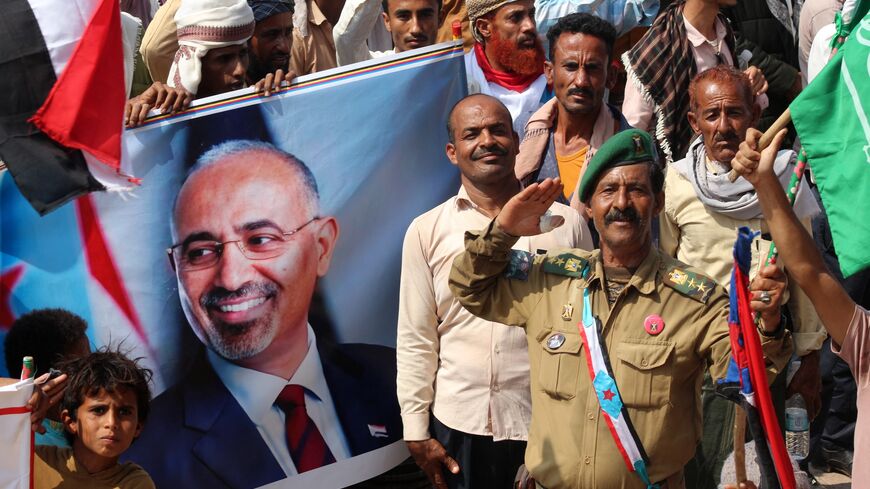
The Aden-based STC seeks independence for southern Yemen. The area was previously independent from 1967 to 1990, when it reunified with the rest of the country. The STC and the Saudi-backed government, led by the PLC, have been nominal allies against the Iran-backed Houthis for much of the Yemeni civil war, which began in 2015. The STC is supported by the United Arab Emirates.
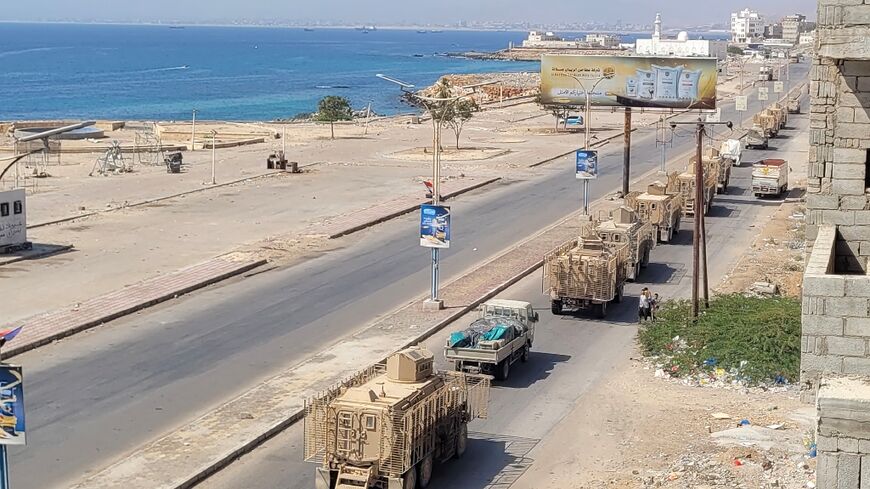
On Wednesday, Arabic and local media reported that pro-government forces were advancing toward Aden.
Why it matters: The escalation follows the STC declaring last week the start of a “transitional phase” aimed at achieving self-determination for the south. The declaration came after the council’s forces made a number of advances against the government in the oil-rich Hadramout province and other areas last month.
The Hadramout offensive sent shockwaves through the Gulf, prompting condemnation from Saudi Arabia and airstrikes on STC positions from the military coalition the kingdom leads.
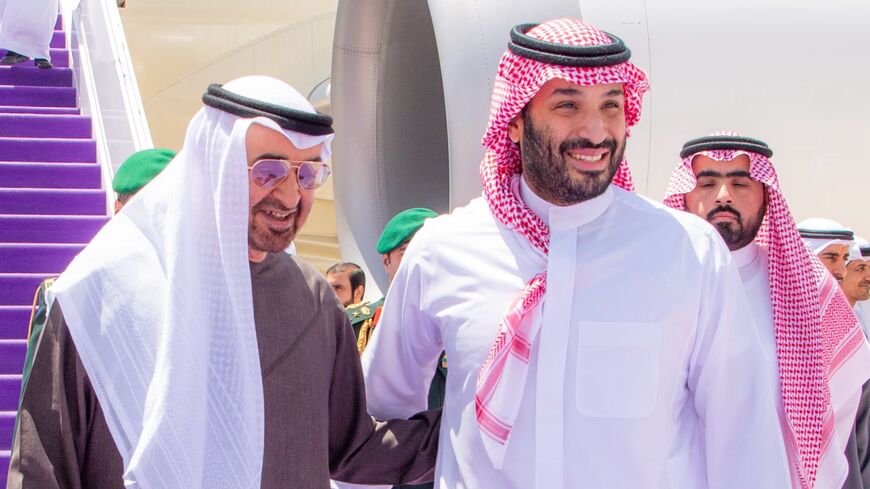
The events have exacerbated tensions between Saudi Arabia and the UAE. Late last month, the UAE said it would withdraw its remaining forces in Yemen, following Saudi criticism of Abu Dhabi’s support of the STC amid the group’s offensive as well as a coalition strike on the Mukalla port. The coalition said it hit a weapons shipment in the port that was destined for the STC, but the UAE said the load consisted of vehicles for its own forces.
Emirati forces have deployed to Yemen to help the STC and are focused on counterterrorism, according to Abu Dhabi.
Know more: Backed by Saudi Arabia, forces aligned with the government based in Aden have regained much of the territory lost in recent days, increasing pressure on the STC. Earlier this week, the pro-government National Shield Forces said they had seized control of Mahra province, which borders Hadramout as well as Saudi Arabia and Oman. The Associated Press reported on Sunday that government forces had retaken Mukalla, the capital of Hadramout, along with other areas of the province. On Saturday, Alimi said the National Shield Forces had achieved “record success” in Hadramout.