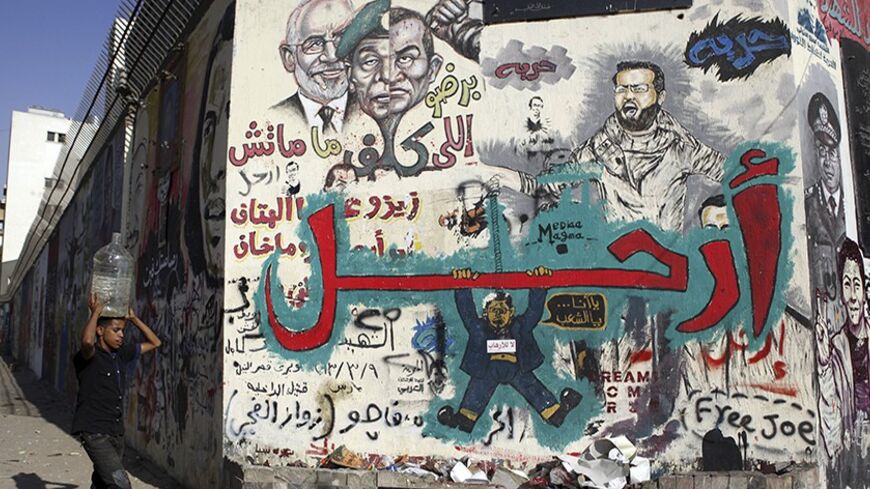
Ten years ago, she was celebrated as a heroine for helping to spark the 2011 uprising that unseated then-President Hosni Mubarak. But Asmaa Mahfouz, a political activist and one of the founders of the April 6 Youth Movement (credited with mobilizing the mass protests that ousted Mubarak), is today struggling to gain acceptance in her society. Ironically enough, she has been shunned and marginalized for the very reason she won acclaim as an icon of the Egyptian revolution a decade ago.
In a video published on YouTube on Jan. 18, 2011, Mahfouz had made an impassioned plea to fellow citizens to join her in protest in Tahrir Square to demand their rights.
“I am making this video to give you one simple message: We want to go down to Tahrir Square on Jan. 25. If we still have honor and want to live in dignity on this land, we have to go down on Jan. 25. We'll go down and demand our rights … our fundamental human rights.”
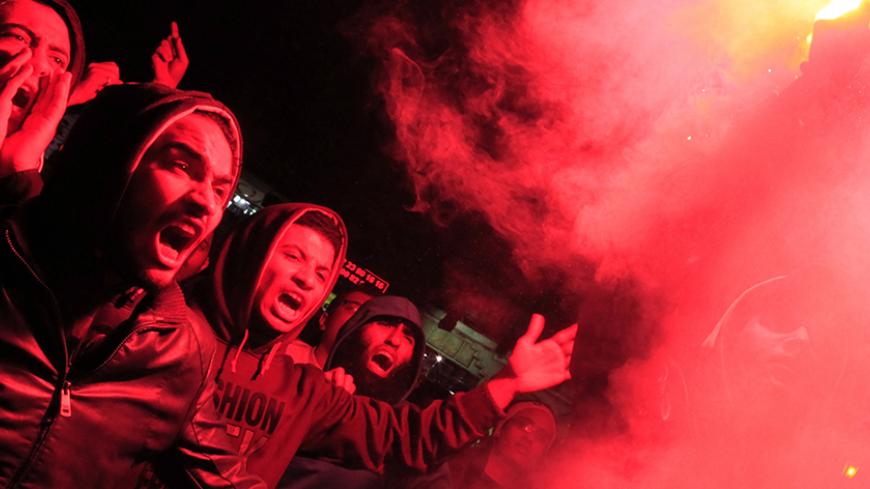
The video quickly went viral on Egyptian social media, inspiring others to post similar appeals. A week later, on Jan. 25, 2011, as Cairo was preparing to mark National Police Day, thousands of Egyptians marched to Tahrir Square, chanting the revolutionary slogan “Bread, Freedom and Social Justice.” They also called for “an end to corruption and police brutality” and the “downfall of the regime.”
AL-MONITOR All-Access gives you unlimited access to all our journalism, the full Daily Briefing, exclusive interviews, premium newsletters, and live events — for less than $2/week.