



Newly elected New Right party leader aspires for more
Prime Minister Benjamin Netanyahu would like the situation to remain as is — with two separate political groupings to the right of the Likud targeting the religious-right constituency — rather than see them come together in a unified, strong religious-right platform.

Prime Minister Benjamin Netanyahu is scheduled to leave for Japan and South Korea on July 27. The top headline for his five-day state visit is planned for Seoul, where Israel will sign a historic free trade agreement with South Korea estimated to be worth billions of shekels for the Israeli economy.
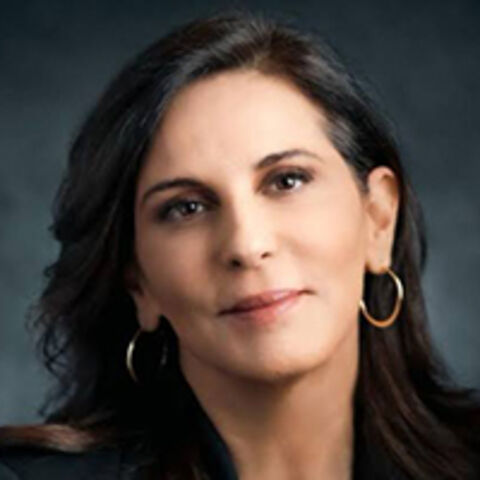
The timing of this visit, in the heat of an election campaign, will certainly help cement Netanyahu’s position as a serious statesman, particularly when compared with his rivals. Yet Netanyahu has spent the past two days deciding whether to postpone his trip. The reason is that it means he would be out of the country Aug. 1, the date on which the parties are required to submit their final lists for the Knesset to the election board. The timing is critical for him politically. The prime minister wants to prevent a major merger of all the parties on the right (apart from the Likud) in an initiative led by former Justice Minister Ayelet Shaked, who became head of the New Right party July 21.
Netanyahu has been following this development from a distance, but also from up close. He is concerned by the potential merger of two smaller political groupings to the right of the Likud: the New Right, which mostly appeals to a moderate secular electorate, and a joint religious-nationalist list made up of HaBayit HaYehudi, the National Union and the radical-right Jewish Power, which targets the more religious settler community. According to his own, in-depth polling, the two groupings appeal to different target electorates and would speak for just about everyone to the right of the Likud. He does not want to see them joining forces as a single party, especially since the most recent poll said such a party would win 12 seats. He is particularly unhappy about the idea that Shaked could head such a party. Though she is the former director of his office, she has since become a red flag to those living in the prime minister’s residence.
The result is a fascinating battle that will be Shaked’s big test. Can she succeed in getting the right (apart from the Likud) to consolidate its forces and to appoint her as its leader, potentially delivering a devastating political blow to the prime minister? Or will her efforts be blocked?


