



Forged Jerusalem home sale gets Jordan’s attention
A Jordanian parliamentarian revealed forged documents notarized by a Jordanian lawyer to sell a Palestinian home in East Jerusalem to Israelis, raising the ire of Jordanians and Palestinians alike.
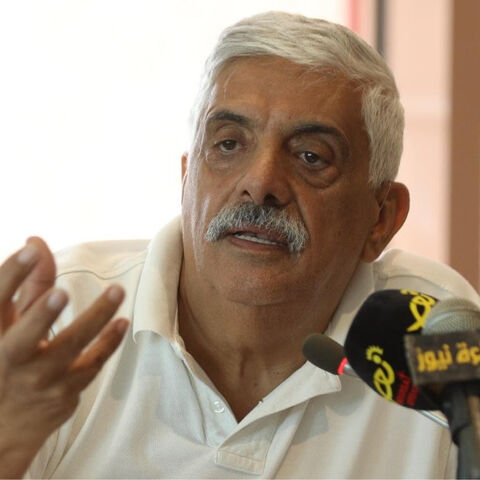

An accusation that a popular Jordanian member of parliament made earlier this month in the legislature has left a strong impression on many officials. The accuser is Khalil Attiyeh, a parliamentarian of Palestinian origin who regularly chalks up some of the highest vote counts in the country.
During the Dec. 4 legislative session, held to discuss the 2019 annual budget, Attiyeh demanded that Prime Minister Omar Razzaz look into reports that a Jordanian notary public had certified the paperwork for the attempted sale of a Palestinian home in East Jerusalem to Israelis.
Attiyeh distributed to Razzaz and the media copies of the agreement, conducted on behalf of the seller through a power of attorney and allegedly notarized by a Jordanian lawyer. Razzaz issued a statement on Dec. 5 indicating that the documents in question had been forged.
Mohammad Bakirat, the grandson of the notary public in question, explained in a statement issued the same day that an ID that was published indeed belonged to his grandfather, but that he has been dead for decades.


