



Palestinians play resignation card to protest Israeli settlements
Unable to break off the talks, Palestinian President Mahmoud Abbas has decided to reshuffle his negotiating team to send a message to Israel.
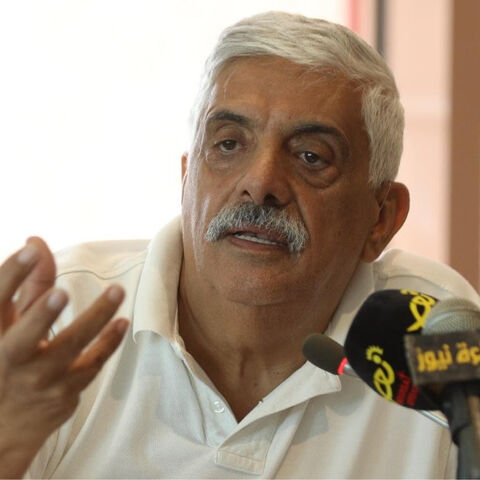

Ever since the Palestinian-Israeli peace talks began this summer, Palestinian negotiators have found themselves without one of their strongest negotiating weapons: the ability to walk out of the talks.
The current peace talks began without the Israelis agreeing on two basic conditions: the suspension of settlement building in Palestinian areas and a clear reference point for the talks. While these conditions were not directly accepted by Israel, the United States guaranteed that the 1967 borders would be the basic reference point of the border discussions. On the settlements, the Palestinians were assured by the United States that Israel would not build any outside the settlement blocks that Israelis hope would be annexed to Israel.
On both these issues, Israel appears to have reneged and the Palestinian side was put in a corner. If the Palestinians walk out of the talks for this violation of the understanding communicated by the United States, the Israelis would stop the process of staggered prisoner releases. Israel has committed to releasing 104 Palestinians imprisoned since before the 1993 signing of the Oslo Accords in accordance with the 1999 Sharm el-Sheikh agreement.
Furthermore, US Secretary of State John Kerry announced during a joint press interview with Palestinian and Israeli journalists that the quid pro quo for the prisoner release was a Palestinian commitment to not seek any further membership as a state in UN agencies. The Israelis have alluded to and have in fact acted on their own claim that they can add new Jewish settlements in the West Bank, including Jerusalem, each time they release prisoners. This has happened twice already following the release of 52 prisoners so far in August and in October. The Palestinians are hoping that the remaining 52 prisoners will be released as agreed upon in stages within the next few months.


