Istanbul gets to work
Also this week: Lunch in Karakoy, art in a former wine warehouse and Turkey’s satire of pointless work.

Welcome back to AL-MONITOR Istanbul.
Is it just me, or does everyone feel overworked and slightly demoralized in November? The summer holidays are long gone, and the New Year break still feels too far away. Fresh from an intensive week at COP31, I have put together, fittingly, our work issue. We step behind the factory gates at Salt Galata, have lunch with Karakoy’s tradespeople, revisit Turkey’s great satire of pointless labor and, in “By the numbers,” count how long Turkey works and what that costs.
If you want to receive this newsletter or our other weekly City Pulse newsletters — for Doha, Dubai and Riyadh — sign up here.
Thanks for reading,
Nazlan (@NazlanEr on X)
P.S. Have tips on Istanbul’s culture scene? Send them my way at nertan@al-monitor.com.
Also, don’t forget to follow us on Instagram: @citypulsealm
1. Leading the week: Staff only
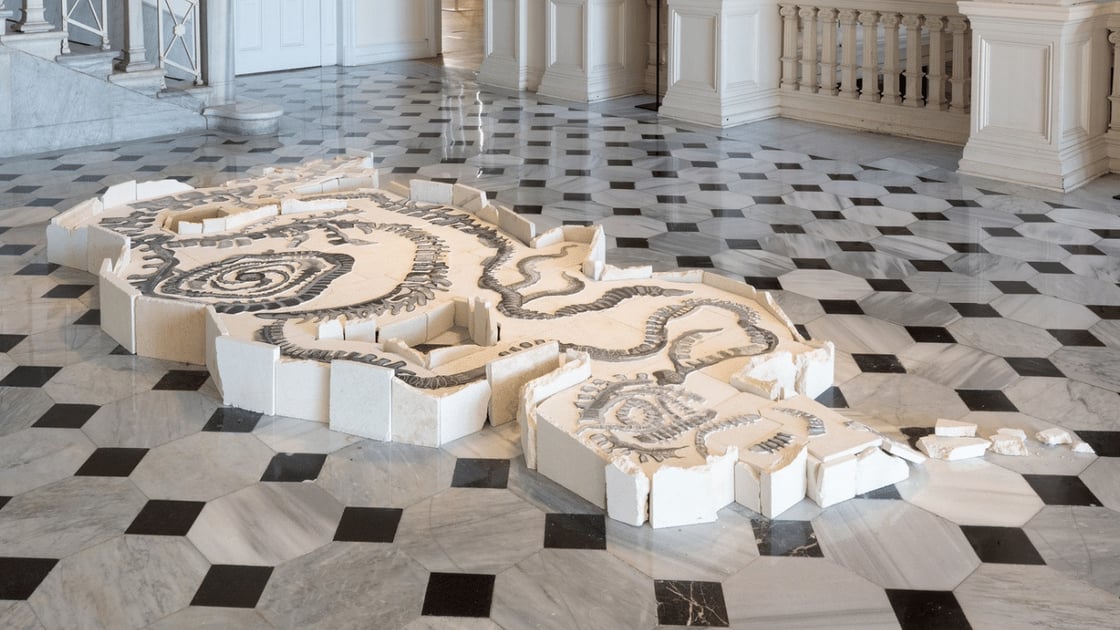
belit sag’s “Burden,” 2026. (Photo courtesy of Salt)
Every Istanbul worker knows the sign. It hangs on loading-bay doors, factory gates and the back corridors of shopping malls, and it means one thing: not you. Salt Galata borrows it for the title of its sprawling new show, “No Admittance Except on Business,” and then does the long-overdue thing: It walks straight through.
The premise is that the workplace, for all its centrality, has become invisible. After 1980, as production became global, the chimneys over city centers gave way to residences, malls and, yes, cultural venues, while factories moved out to organized industrial zones and logistics hubs. Curated by Eylul Senses, the exhibition follows work across four scales: the body, the shop floor, the city and the global supply chain.
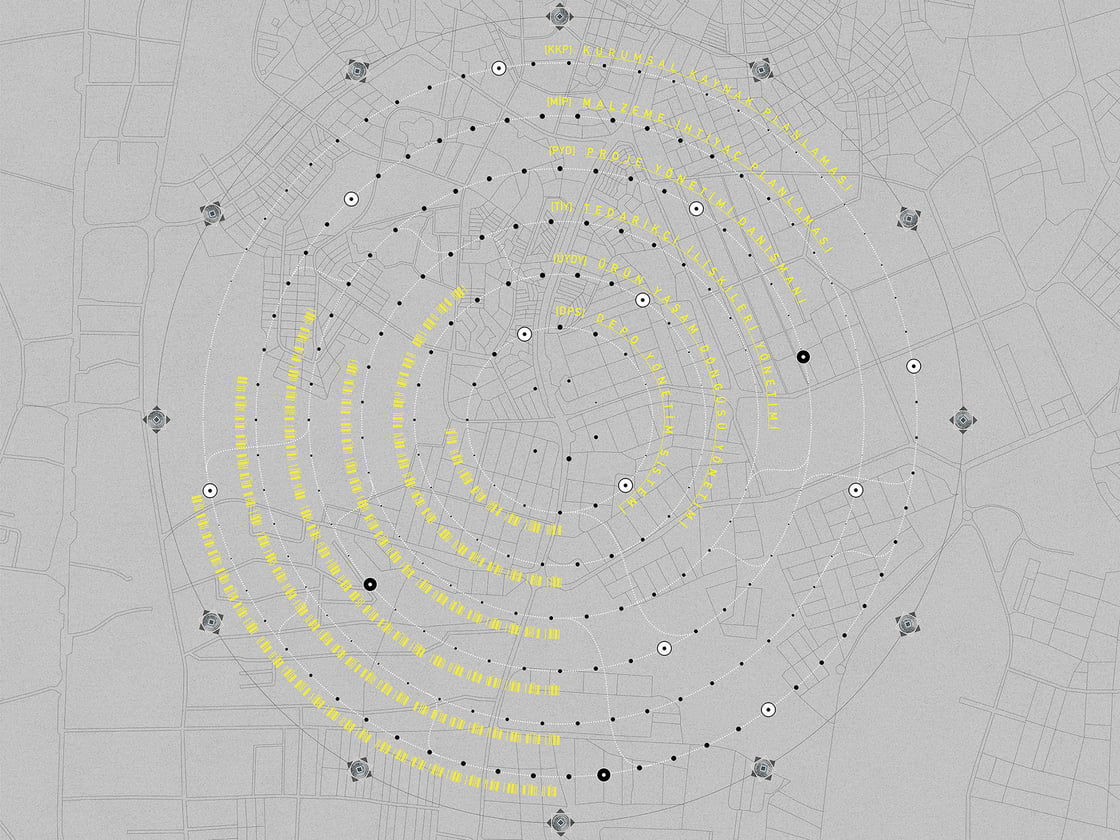
A drawing from Merve Bedir’s “Near Miss,” 2026. (Photo courtesy of the artist)
Merve Bedir looks at how bodies and labor are optimized and handed over to automation. Kamil Dalkir and Sibel Karadag turn to Istanbul’s recycling yards, tracing the physical toll on workers who process waste imported from Europe. belit sag revisits the liquidation of the Sumerbank Bakirkoy textile factory, contrasting the portrayal of public factories as a “burden” on the state with the physical toll of the harsh conditions endured by their workers. Dilsad Aladag follows the Simyonoglu factory’s afterlives, first as the National Factory and later as a museum, through the friction between the official archive and personal memory, while Metehan Ozcan builds an archive of his own from job ads and factory yearbooks.
The show refuses to read the factory as a place of discipline alone. Sultan Gokdemir documents how the 1989 workers’ protests turned the city into a space of collective dissent, while Tamar Levit and Yaen S. Levi join Neval Tarim and the Calisan Eller (Toiling Hands) choir in exploring the rights of textile workers producing for global supply chains.
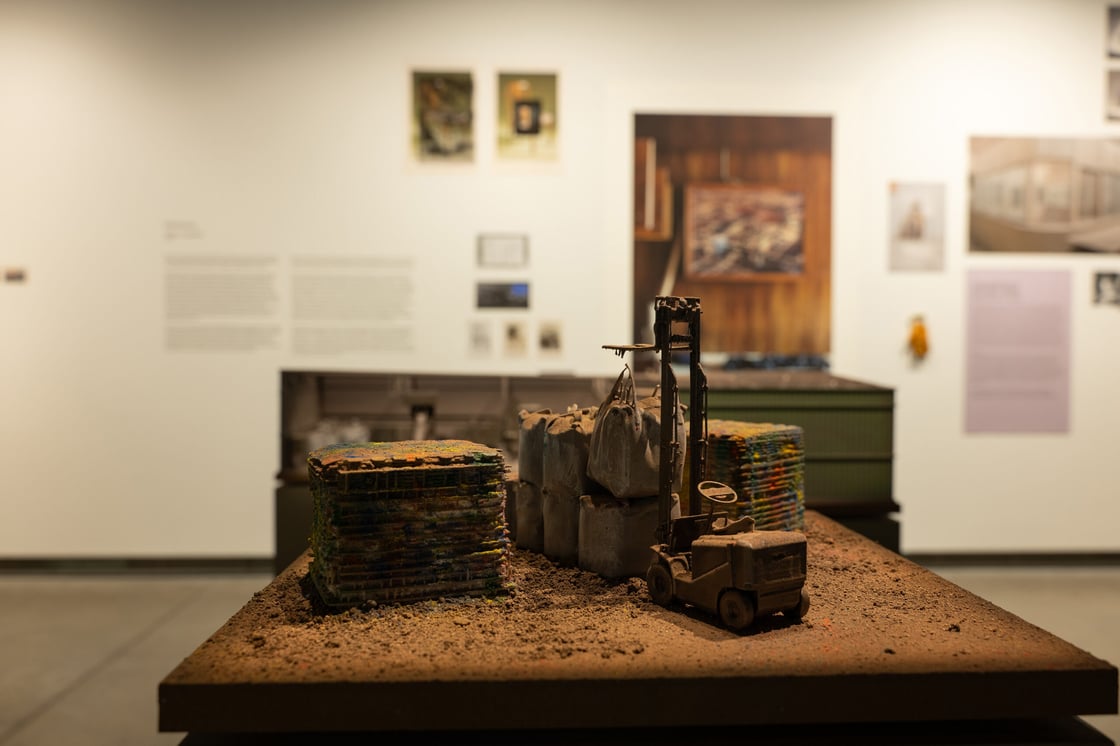
Kamil Dalkir and Sibel Karadag’s “All That Is Plastic Melts into Air,” 2026. (Photo courtesy of Salt)
There is a pleasing irony in the venue. Alexandre Vallauri designed the building as the headquarters of the Imperial Ottoman Bank, inaugurated in 1892: capital’s front office, now showing labor’s side of the ledger. Entry, fittingly, requires no business at all.
Date: until Feb. 14, 2027
Location: Bankalar Cad. No: 11, Karakoy
Find more information here.
2. Word on the street: Mahkeme Lokantasi
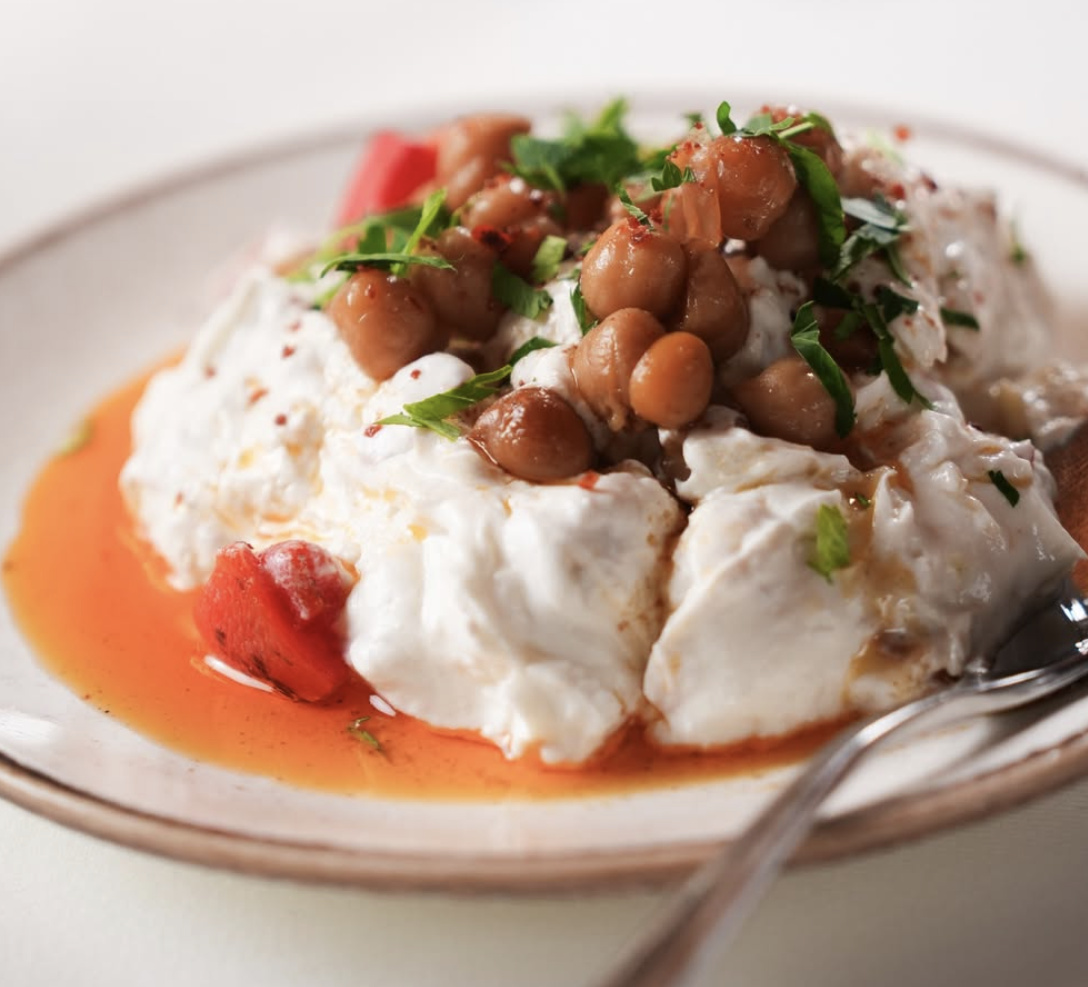
Healthy delights (Photo courtesy of Mahkeme Lokantasi)
Tucked into the backstreets behind Bankalar Caddesi, Mahkeme Lokantasi (literally, “Court Restaurant”) takes its name from the old Genoese court across the street. By day it is an esnaf lokantasi, the tradespeople’s canteen where Karakoy’s office workers and shopkeepers eat quickly and well. By night, it becomes meyhane, laying out cilingir sofrasi spreads of meze and raki, with crowded tables spilling onto the pavement. Upstairs, private rooms let groups play their own music. Lunch is swift; dinner, like most trials nowadays, may drag on.
Location: Persembe Pazari Cad. No: 14, Karakoy
Find more information here.
3. Istanbul diary
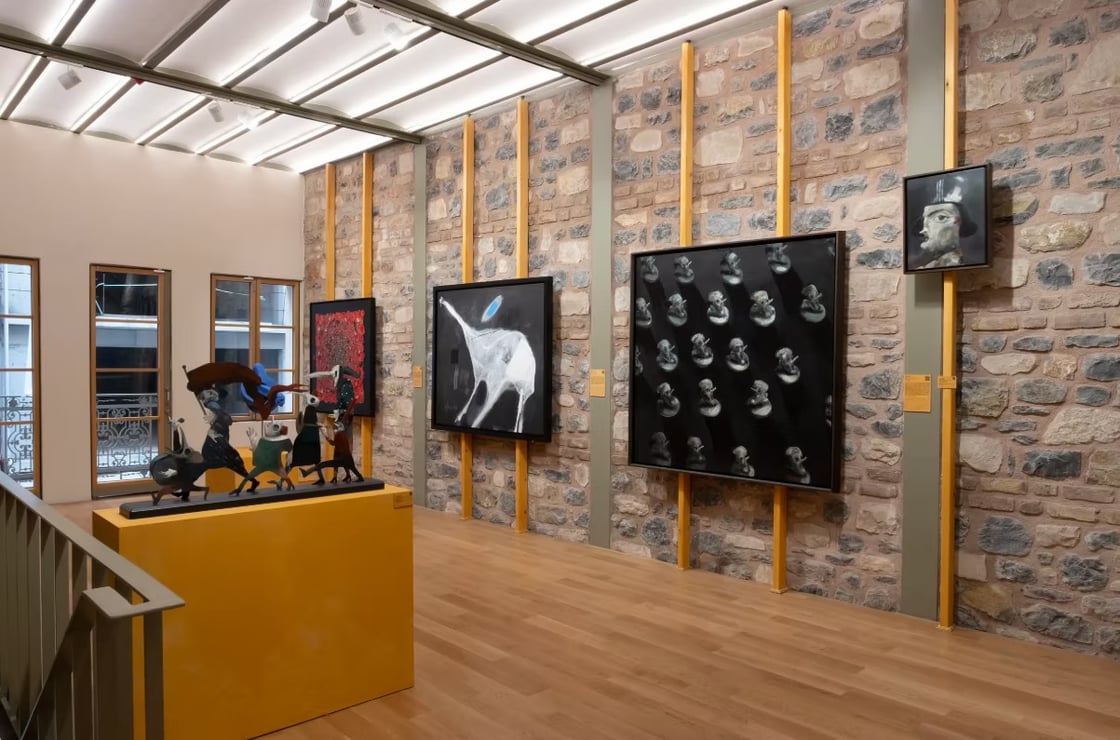
A view of “Rooting” at Galeri 77 Sarap Iskelesi. (Photo courtesy of Galeri 77)
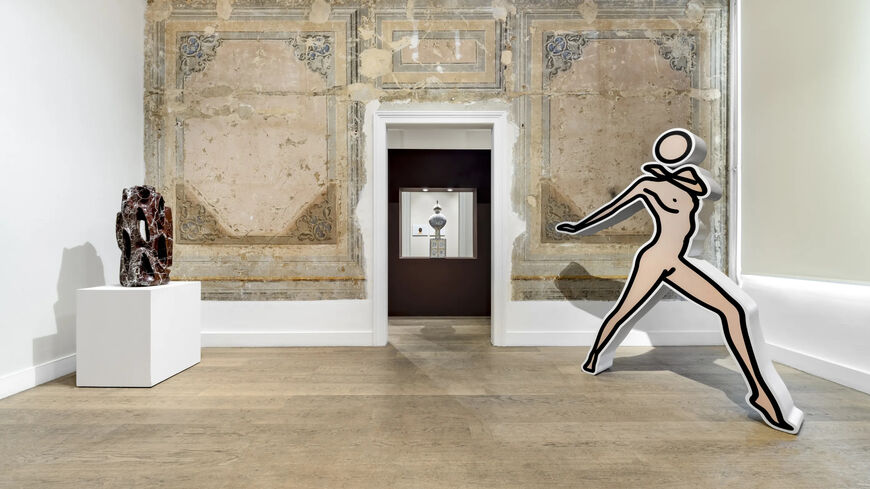
Galeri 77 opens its new home, a restored 200-year-old wine warehouse on the street that once led to Galata’s wine dock, with “Rooting.” Curated by Marcus Graf, the show hangs one recent work by each of the gallery’s 38 artists, from Turkey, Armenia and beyond, top floor to basement in the order in which they joined the gallery. Galeri 77 Sarap Iskelesi, until Jan. 9, 2027.
A little of E.E. Cummings and candy to keep us going: Arter’s collection show “The Sky Was Candy,” curated by Selen Ansen, borrows its title from Cummings and gathers 24 artists, from Ayse Erkmen to Yto Barrada, to explore home, homeland and the journeys between them. Arter, until March 28, 2027.
Shop and show: A Louis Vuitton trunk, made in 1886 for Sultan Abdulhamid II, has traveled from the house’s Paris archive for Beymen’s “Timeless Treasures: The Eternal Journey of the Bag,” an exhibition of 80 bags from 55 brands curated by Laurence Benaim. The setting is a 600-year-old Ottoman shipyard, where the labor was once rather heavier. Beymen Tersane, Tersane Istanbul, until Feb. 8, 2027.
If you love Berger: For John Berger’s centenary, Metis, his Turkish publisher, hosts a tribute featuring readings by his children, Katya, Jacob and Yves, followed by talks with writers and editors. Pera Museum Auditorium, Nov. 28.
4. Book of the Week: ‘The Time Regulation Institute’
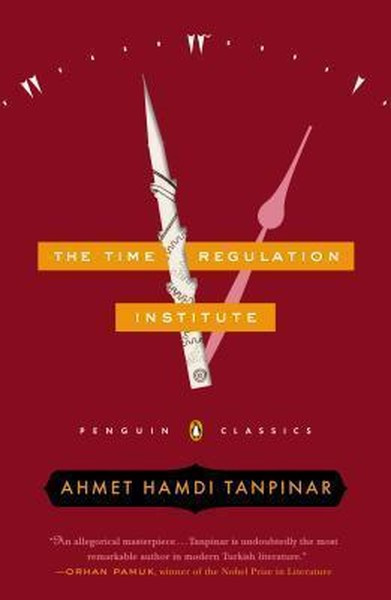
If this issue needs a patron saint of pointless labor, it is Hayri Irdal, the hapless narrator of Ahmet Hamdi Tanpinar’s “The Time Regulation Institute.” The 1961 novel follows the creation of a grand new institution devoted to setting the nation’s clocks right, which multiplies staff, offices and fines in inverse proportion to its achievements. Translated by Maureen Freely and Alexander Dawe for Penguin Classics, it remains Turkey’s sharpest satire of work as performance.
5. Turkey gaze
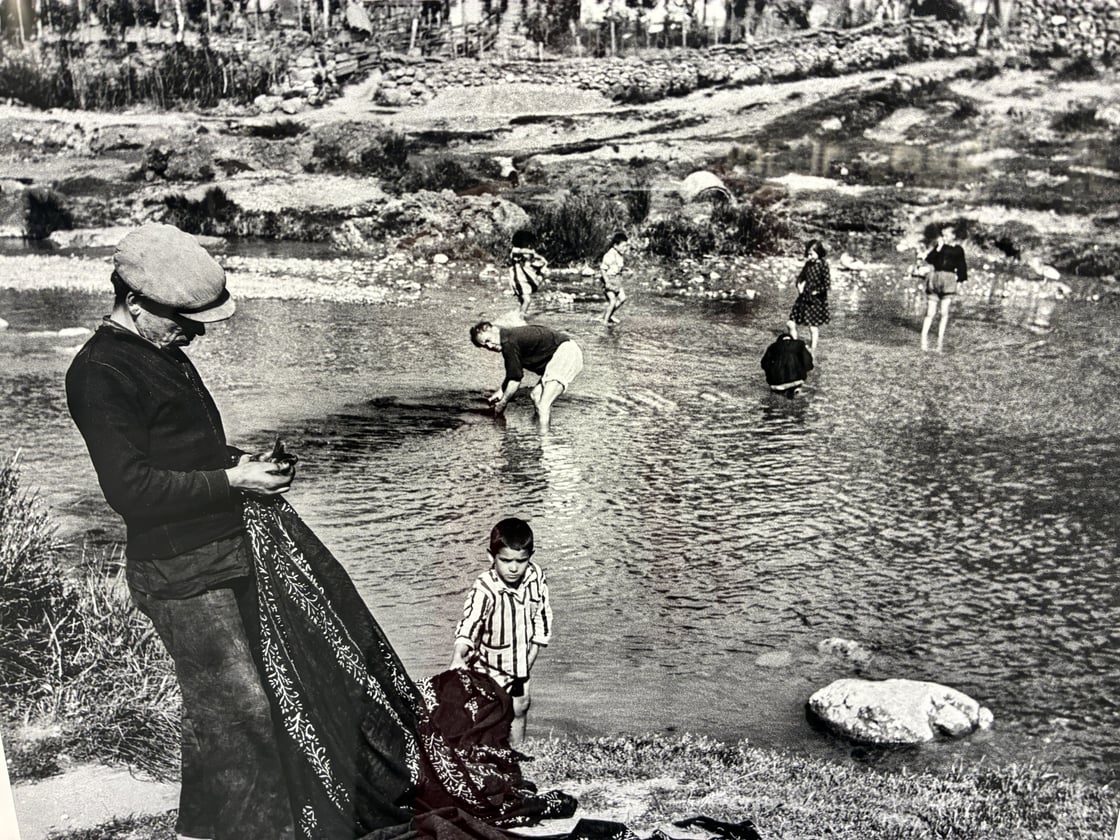
Ara Guler’s “Sirinyer Aqueducts, Izmir,” 1954. (Ara Guler)
To mark photography’s bicentenary, the Institut francais and Cankaya municipality pair two perspectives on Turkey in the 1950s and 1960s in “From One Gaze to Another”: Ara Guler, who trained his lens on Istanbul’s workers, fishermen and craftsmen, and Jean Dieuzaide, the French photographer who spent three months crossing the country in 1955. Free admission until Dec. 3.
Location: Dogan Tasdelen Contemporary Arts Center, J.F. Kennedy Cad. No: 4, Kavaklidere, Ankara
6. By the numbers
For an issue about work, here is how Turkey works:
• The average working week is 42.4 hours, according to TurkStat’s September figures. Eurostat ranks Turkey as having the longest working week in Europe.
• Just 35.2% of women participate in the labor force, compared with 70.7% of men. Among women aged 15-24, the unemployment rate is 23.3%, more than double the rate for young men.
• At least 1,930 workers died on the job in the first 10 months of 2026, according to Health and Safety Labour Watch (ISIG). The Nov. 9 explosion at the Habas steel plant in Aliaga, Izmir, which killed 17 workers, raised the toll to 1,947.
This one's on us.
The story doesn't end here.
Our correspondents are already on the next chapter. Read everything they file, from $2/week.