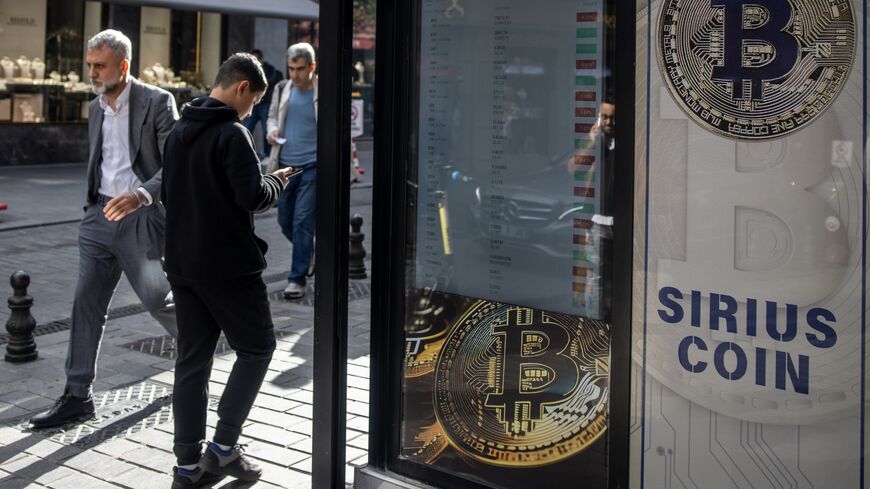

Watchdog urges Turkey to tighten digital asset rules for $144B crypto economy A review of Turkey’s crypto-asset regulations by the Financial Stability Board acknowledged significant progress made by local authorities but called for further measures to address potential risks. Turkey
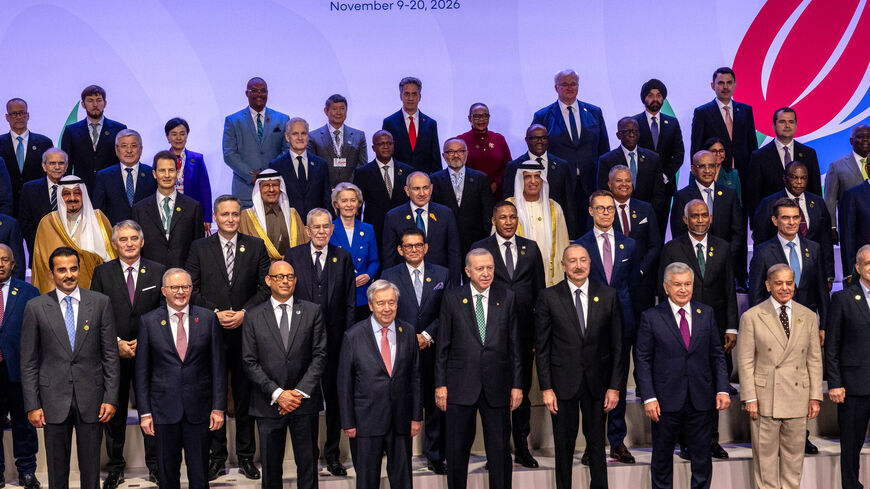
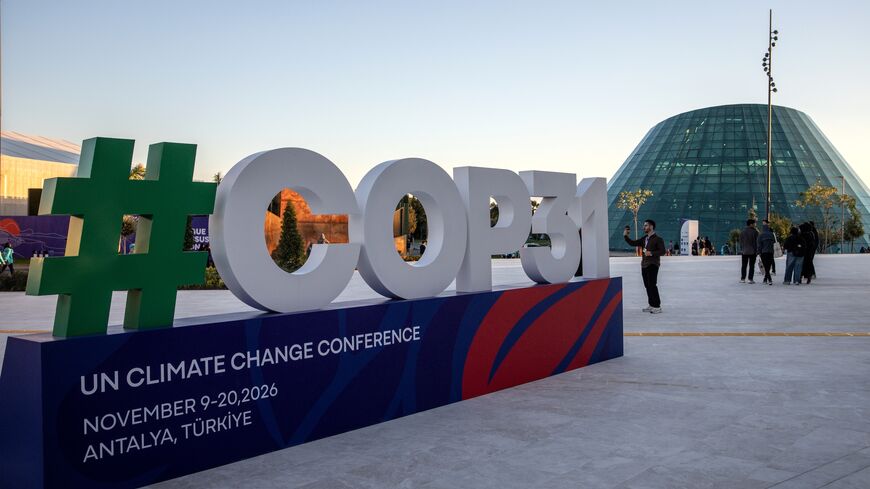
Newsletter: Daily Briefing Iran war shadows Turkey’s COP31 summit World leaders began arriving in Antalya on Wednesday to take part in the COP31 climate conference, which Turkey is hosting for the first time. By Gabrielle Debinski In New York City, reporting on the Middle East
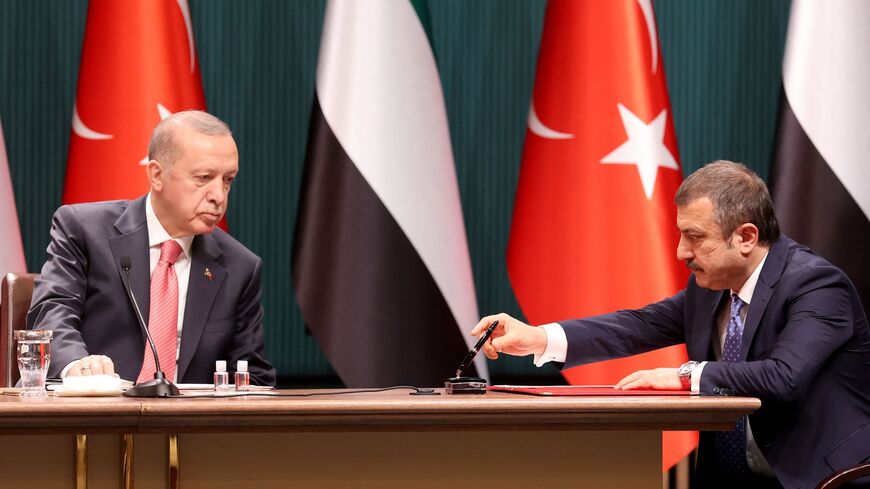
Turkey’s banking watchdog chief submits resignation amid fund scandal Turkey’s government is facing growing criticism over regulators’ failure to prevent a fund scandal involving more than $20 billion. Turkey
Explainer Iran war pushes up coal use, complicating Turkey’s COP31 pledge Turkey is asking world leaders at COP31 to back a global push to use more electricity, even as the Iran war has driven up natural gas prices and pushed some power producers back to coal. Turkey
Newsletter: FutureVerse Does Middle East have Nvidia problem? By Samuel Wendel In Washington, DC, reporting on regional business and tech

Analysis Will Democrats block Trump’s push to deliver Turkey F-35s, lift sanctions? By Barin Kayaoglu In Ankara, reporting on geopolitics and national security
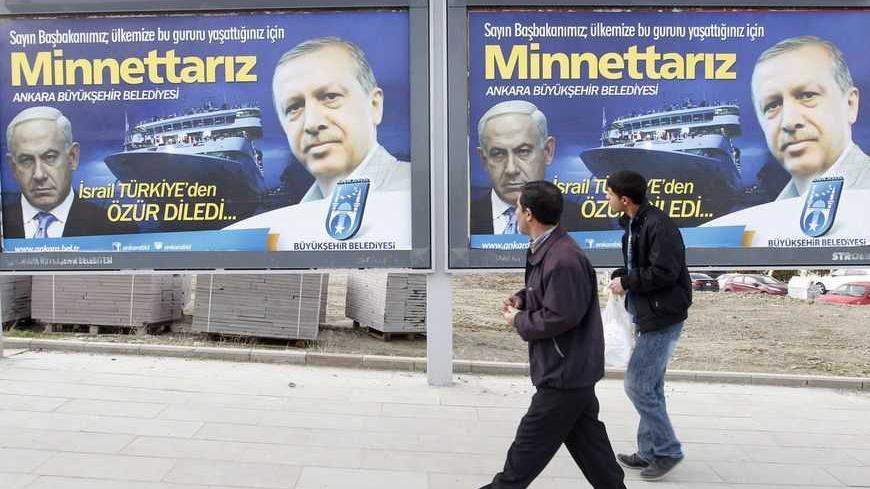
Israel Apologizes; Turkey Steps Back Kadri Gursel writes that Turkish Prime Minister Erdogan's acceptance of the Israeli apology, although a positive development, is more important than the actual apology. Israel
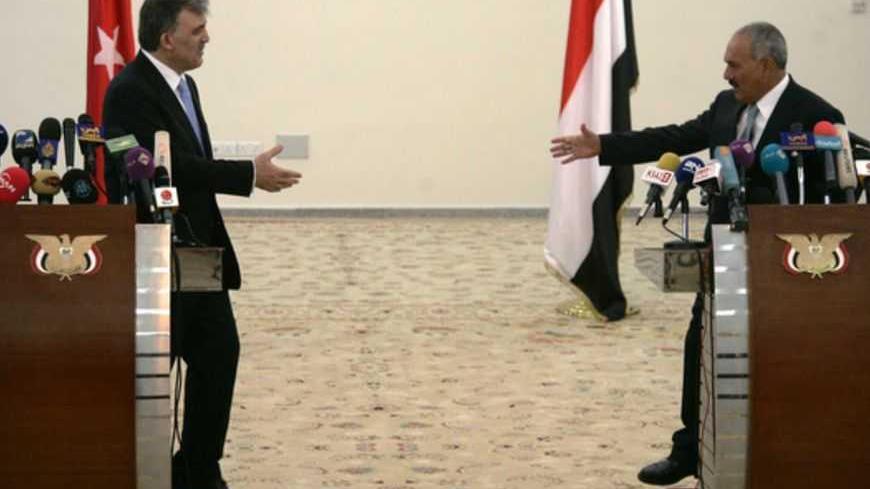
Turkish Public Diplomacy Faces Challenge in Yemen Pinar Tremblay examines the impact of Turkey's public-diplomacy efforts in Yemen and whether they should be considered "neo-Ottomanism." Yemen
In Israeli Foreign Policy, Everything Is Connected The apology and the reconciliation with Turkey, writes Akiva Eldar, teaches us that Israel cannot address only one threat and sweep the others under the rug. Palestine
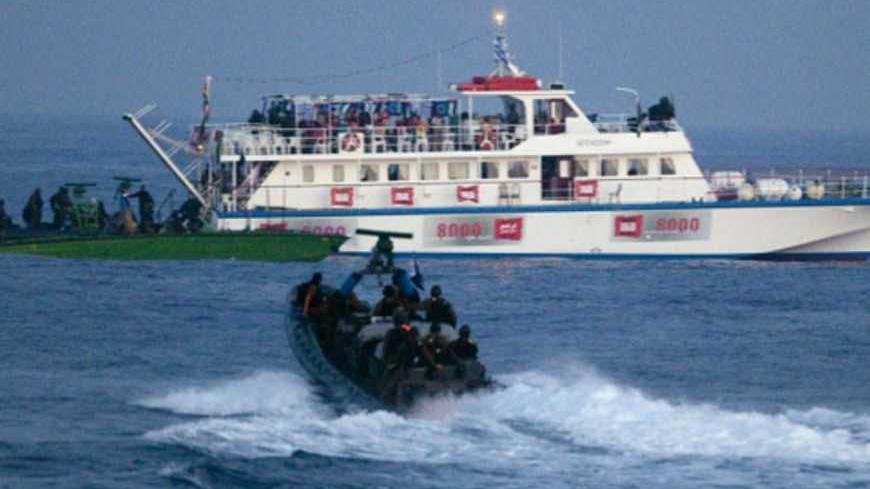
Syrian Crisis Plays Major Role In Israeli Apology Israel apologized to Turkey for the 2010 Mavi Marmara incident to keep Turkish Prime Minister Recep Tayyip Erdogan on the side of United States and Israel — and in line. Syria
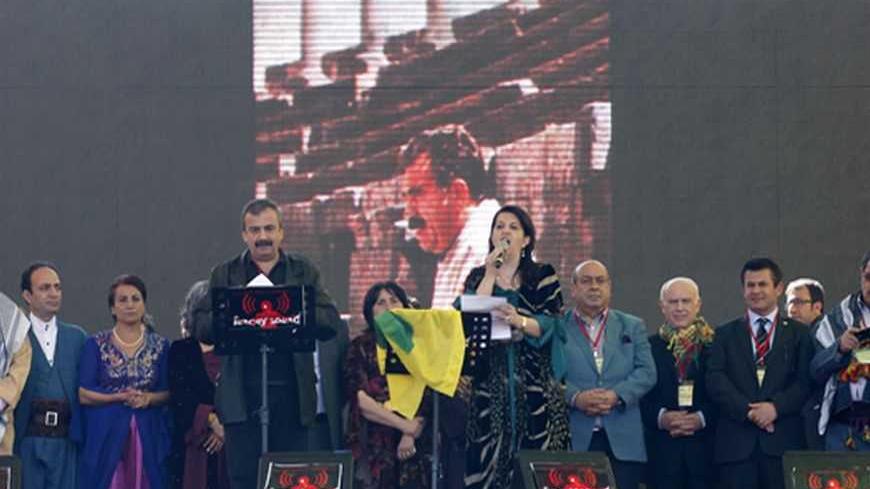
Ocalan’s Message Is Much More Than a Cease-Fire PKK Leader Abdullah Ocalan’s message of a “cease-fire” is only the starting point for democratic discussions with the Turkish government, writes Cengiz Candar. Turkey
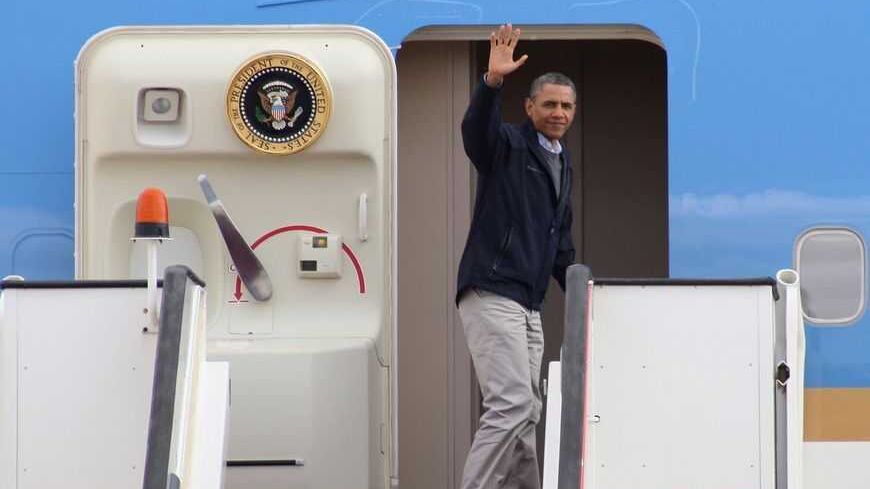
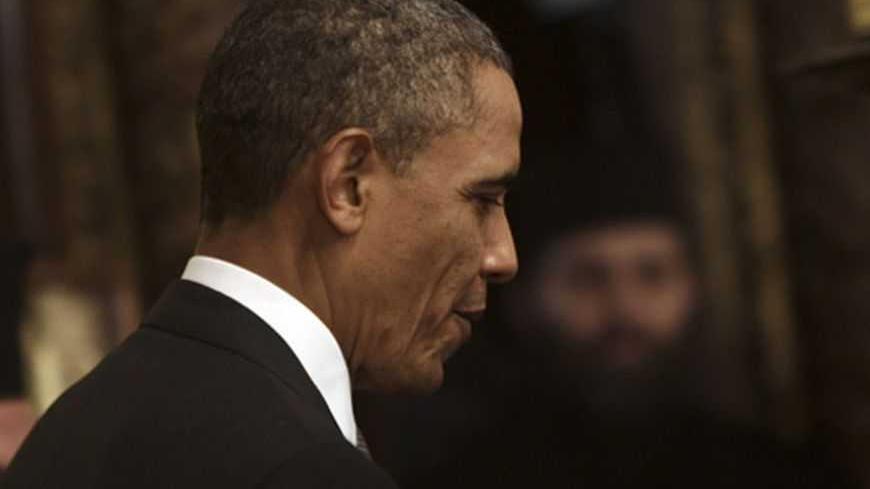
Obama Calls for Peace Talks Without Conditions Obama called on Palestinians to begin talks with Israel despite settlement activity; Iraq is on edge; and it's unclear if a Kurdish initiative and Netanyahu’s apology represent new trends in Turkish foreign policy. Palestine
Turks and Israelis Alike Welcome Reconciliation The announcement of a historic reconciliation between Turkey and Israel catches Shlomi Eldar in the middle of a family vacation in Antalya. Israel
Obama Brokers Apology From Netanyahu to Erdogan Turkish Prime Minister Recep Tayyip Erdogan accepted Israeli Prime Minister Benjamin Netanyahu’s apology over the Mavi Marmara incident, reports Tulin Daloglu. Turkey
Erdogan’s Other Kurdish Problem Denise Natali writes that there is a large gap between what Turkish Prime Minister Erdogan can deliver and what average Kurds expect from the Imrali peace talks. Turkey
Turkey Faces New Challenges Over Cyprus Negotiations between Nicosia and Moscow over gas reserves off the southern Cyprus coast are being watched with concern by Ankara, which does not accept Nicosia’s claim to full sovereignty over these reserves, writes Semih Idiz. Turkey
Erdogan's Kurdish PoliciesBreak From Turkey's Past Mustafa Akyol writes that Turkey's Kurdish policies represent a reorientation of Turkey's new political elite under the leadership of Prime Minister Recep Tayyip Erdogan. Turkey
Ocalan Calls For 'New Era' In Turkish-Kurdish Relations Abdullah Ocalan, imprisoned leader of the Kurdistan Workers Party (PKK), calls for "armed members to move out of Turkey's borders." Turkey