What Oman's potential JF-17 fighter jet deal means for China and Pakistan
Muscat’s reported interest in the JF-17 tests whether diversifying defense suppliers can deliver additional capability without disproportionate costs or ally opposition.


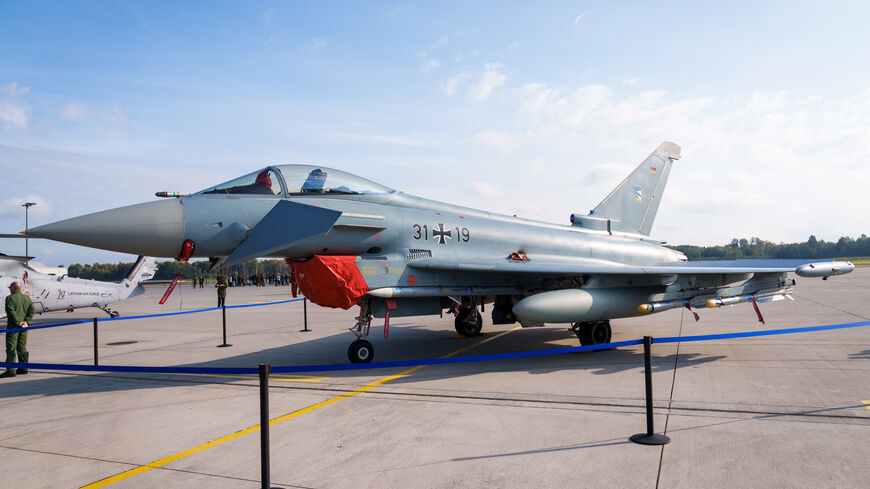
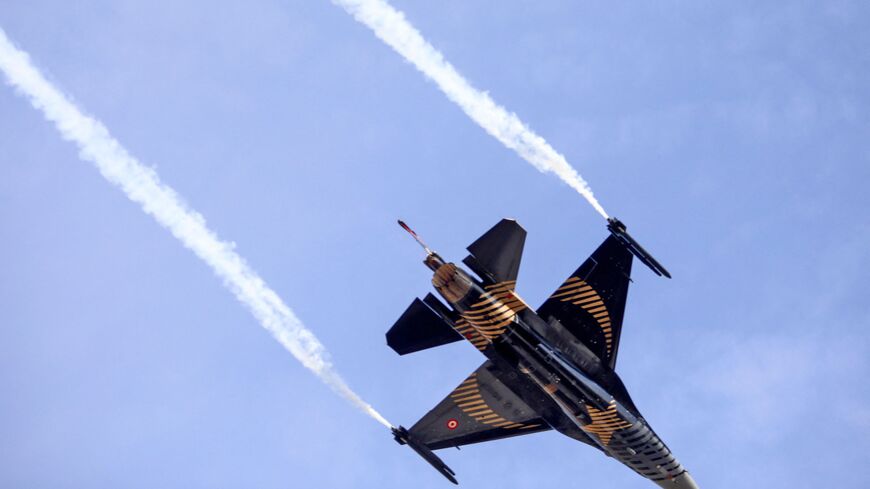
On Oct. 21, Army Recognition reported that the Royal Air Force of Oman was in talks with Beijing and Islamabad over a possible purchase of their jointly produced JF-17 fighter jets. Although no purchase has been announced and financial terms remain undisclosed, the potential sale raises questions about what such aircraft would offer an air force already equipped with US F-16s and European Typhoons.
For Pakistan, a purchase agreement for the JF-17s would secure a customer in a Gulf market long dominated by Western combat aircraft. For China, the jointly produced platform could provide another route for its aerospace industry into the region, although the scale of that opening would depend on the equipment and support arrangements sought by Muscat.
Meanwhile, Oman’s reported interest in the Chinese-Pakistani planes presents it with a familiar procurement dilemma: Do the benefits of diversifying suppliers outweigh the costs of operating different military systems?
Potential benefits to Oman