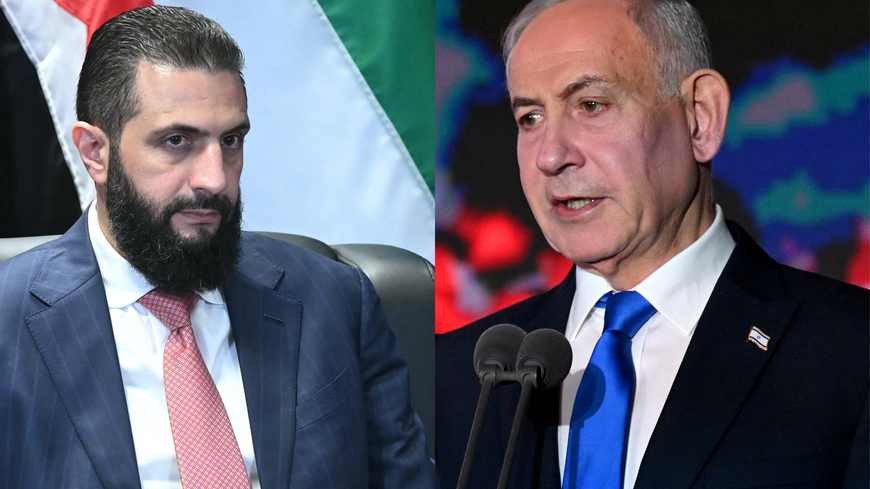
'The problem and the solution': Netanyahu-Sharaa call exposes Israel's Syria dilemma
The Israeli leader revealed that he spoke with the Syrian president last year, but stalled talks and Israel's fortification of a security zone on Syrian land underscore his mistrust of Sharaa.

TEL AVIV — Israeli Prime Minister Benjamin Netanyahu’s revelation on Thursday that he had spoken with Syrian President Ahmed al-Sharaa in July 2025 underscores the contradictions in Israel’s policy toward its northern neighbor, Israeli diplomatic sources told Al-Monitor.
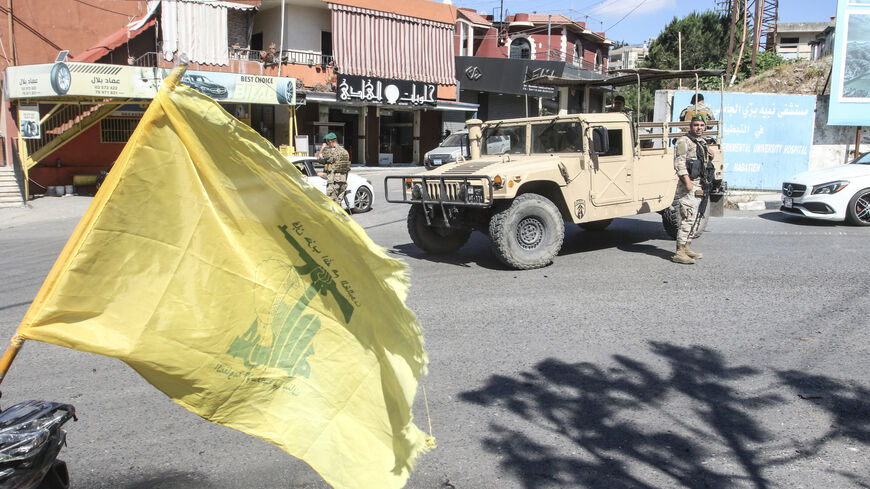
Syrian officials have yet to acknowledge the conversation but did not deny it. The call was the first publicly disclosed contact between the two countries’ leaders. Since March, however — in the wake of the United States and Israel launching their attack on Iran — negotiations between Israel and Syria on security arrangements have stalled. Despite Syrian efforts to curb arms smuggling to Hezbollah in Lebanon, Israel continues to view Damascus with suspicion, the diplomatic sources said.
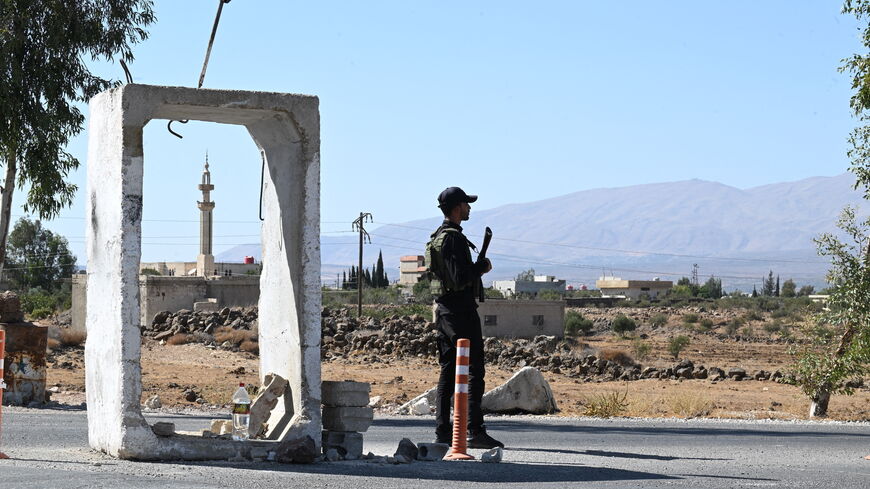
Addressing Druze community activists during a visit to the Galilee village of Yarka on Thursday, Netanyahu said the call had been prompted by the violence that erupted between Druze and Bedouin groups last summer in and around the Syrian town of Suwayda. Some government forces sided with the Bedouin fighters amid the conflict, in which more than 1,700 people were killed.
“I called Sharaa. It was a very brief and to-the-point conversation, and the massacre stopped,” Netanyahu said, without disclosing more details of the call. Citing Syrian diplomatic sources, Haaretz reported on Thursday that the conversation was not just between the two leaders. Among the others known to have taken part in the conversation were a US representative and an official from another Arab country.