As Houthis seize Bab el-Mandeb, Iran appraises value of new Red Sea card
Iran is celebrating the Houthis' rapid advance toward Bab el-Mandeb, but appears reluctant to act on the win.


TEHRAN — Iranian Vice President Mohammad Reza Aref's reaction on Friday to the latest Houthi advances in Yemen was unusually expansive. "We are pleased with the victories of the heroic people of Yemen," he wrote on X, calling on regional leaders to embrace "rationality, freedom from dependence and unity around the flag of Islam."
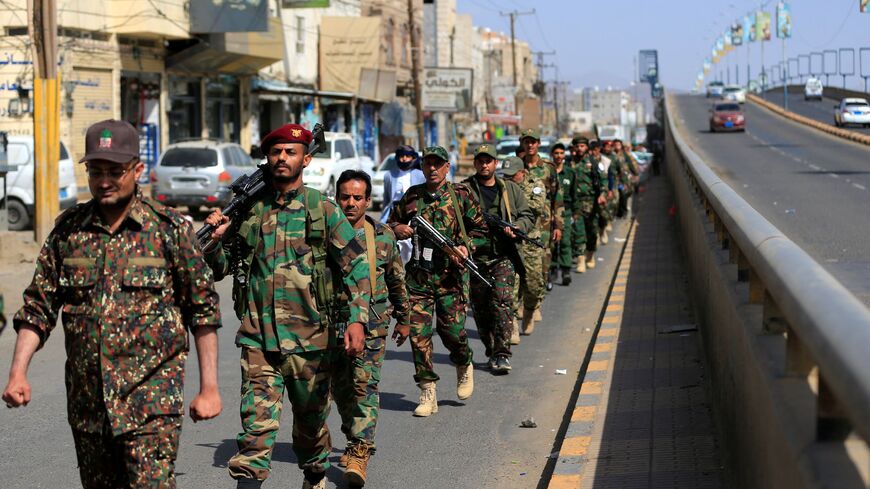
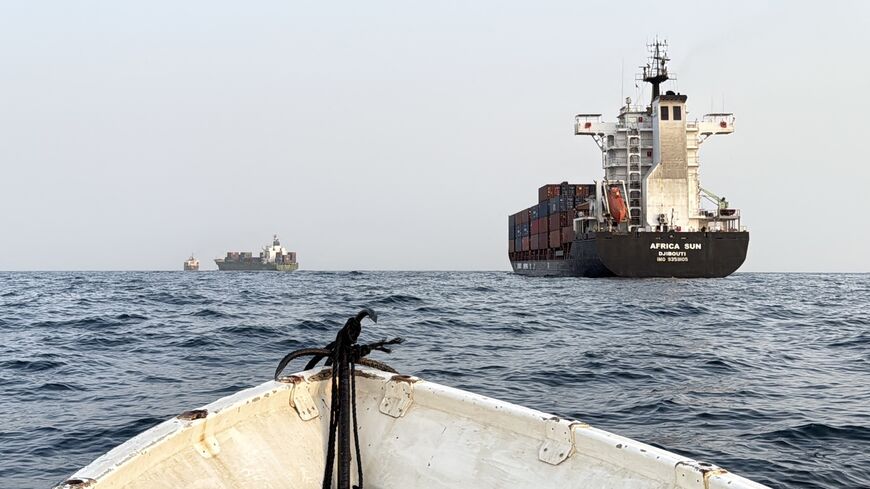
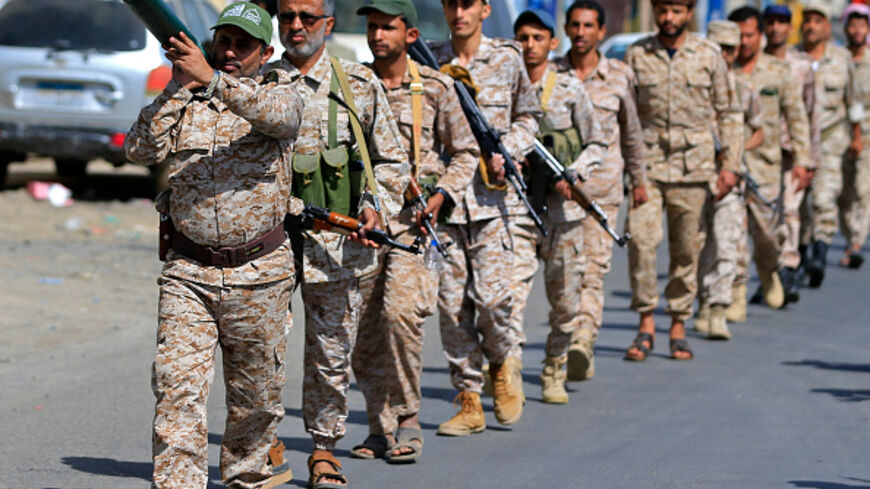
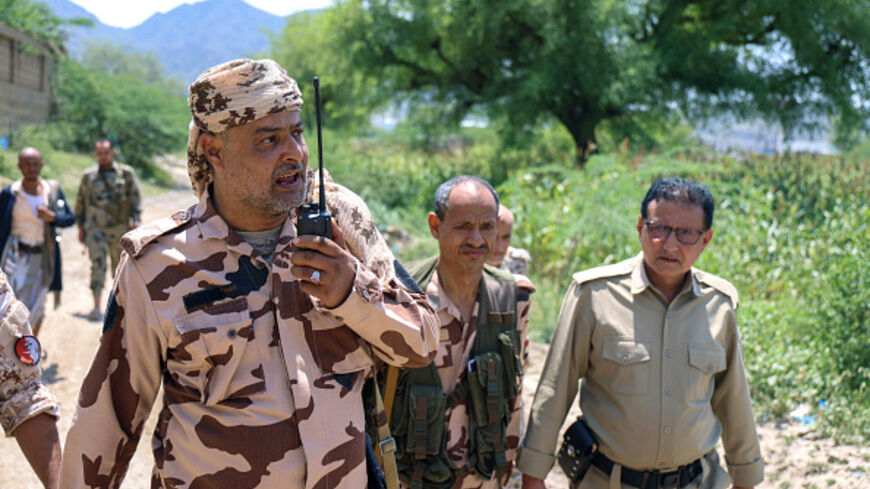
The Houthis seized the port of Mokha on Thursday before advancing toward the Bab el-Mandeb Strait, taking positions including the strategic island of Mayun and the coastal town of Dhubab.
The Saudi-backed Yemeni government has already vowed to reverse the Houthi gains and prevent Yemen from being used for "geopolitical blackmail" on behalf of Iran. Saudi aircraft have also struck positions around Mokha, and the renewed fighting threatens to turn a conflict that had largely frozen after the 2022 truce into another sustained war.
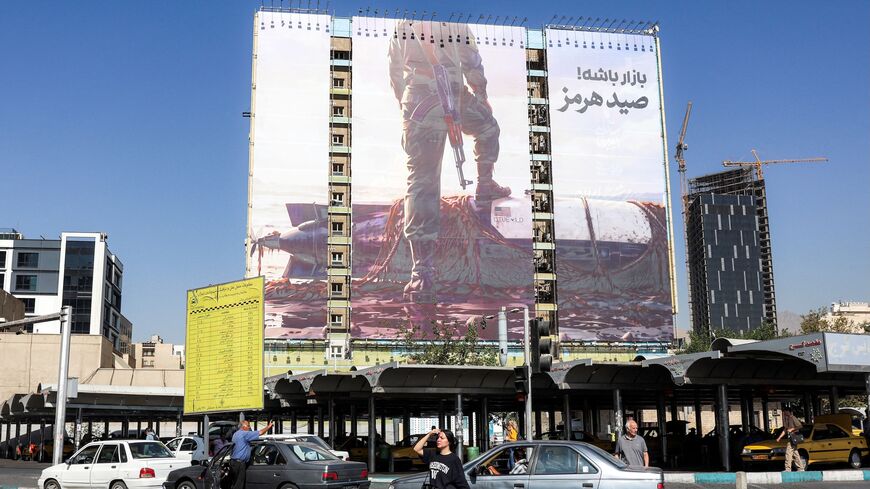
The Houthi advance may have given Tehran an important new advantage in its conflict with the United States and its regional allies. But using it openly as a military instrument could undermine Iran's diplomatic efforts, widen the war and turn a useful source of leverage into another strategic liability.