



Syria arrests Amjad Youssef, Tadamoun massacre perpetrator: What to know
Amjad Youssef appeared on video, allegedly killing dozens of civilians in 2013; he is the latest member of the Assad regime to be captured by the new Syrian government.
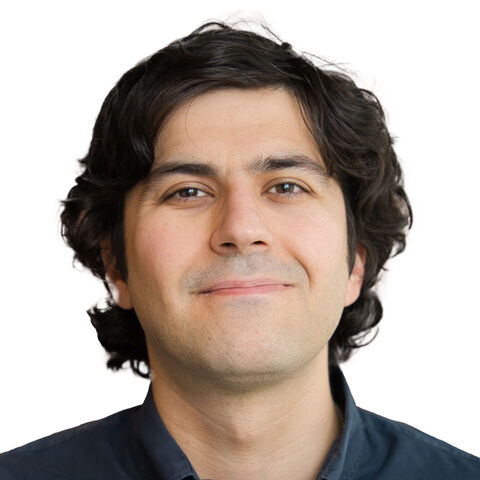

Syrian authorities said Friday that they arrested Amjad Youssef, a former military officer and alleged perpetrator of the 2013 Tadamoun massacre, drawing praise from the Trump administration and many Syrians. Youssef is among the most sought-after figures from the deposed Assad regime, with his alleged role detailed in investigations published in 2022.
What happened: The Interior Ministry said Youssef was arrested in the rural al-Ghab area, about 80 kilometers (50 miles) northwest of Hama, after several days of surveillance, according to state news agency SANA.
The ministry said others implicated in the massacre were also detained, adding that the arrests are part of ongoing efforts to apprehend those responsible.
In a post on X, Justice Minister Mazhar al-Wais said, “Justice will take its course in a way that ensures fairness for victims and preserves their dignity,” but authorities have not provided further details on Youssef’s prosecution.
عملية أمنية محكمة نفذتها وزارة الداخلية، أُلقي القبض خلالها على المجرم أمجد يوسف، المتهم الأول بارتكاب مجزرة التضامن بمدينة دمشق، التي راح ضحيتها عشرات الشهداء الأبرياء. pic.twitter.com/ZivP9OeF6I
— وزارة الداخلية السورية (@syrianmoi) April 24, 2026
The Tadamoun massacre took place in April 2013, when 288 civilians were killed near Damascus by members of Branch 227, a unit of Syria’s military intelligence, and the National Defense Forces militia, both loyal to then-President Bashar al-Assad.
The killings drew global attention in 2022 after investigations were conducted by New Lines Magazine and The Guardian based on videos that showed Youssef and a now-deceased NDF member, Najib al-Halabi, executing 41 civilians. The footage was leaked by a pro-Assad militia member and passed to an opposition activist before reaching researchers Ugur Umit Ungor and Annsar Shahhoud, who later documented the case.
The massacre occurred during heavy fighting around Damascus, where Tadamoun lay along front lines between regime and rebel forces.
Rebels seized parts of the Damascus countryside after the war began in 2011, but Assad held the capital until December 2024, when an offensive led by Hayat Tahrir al-Sham toppled the regime. Its wartime leader, Ahmed al-Sharaa, now heads the transitional government, while Assad is in exile in Russia.
Youssef, 40, joined the military intelligence academy in 2004 and became a warrant officer by 2013. He served as an interrogator for Branch 227, which New Lines said was responsible for the “arrest, torture and killing of thousands” of political opponents.
Why it matters: One of the war’s most notorious atrocities, the Tadamoun massacre has long haunted victims’ families. Youssef’s arrest drew praise from Syrians, some calling him the “butcher of Tadamoun.”
US special envoy Tom Barrack welcomed the arrest as a step toward accountability after Assad’s fall.
“This marks a powerful step away from impunity toward accountability,” Barrack said on X, calling it part of a new justice framework rooted in rule of law and reconciliation.
Barrack has backed the new government’s efforts to pursue accountability, including for abuses by its own forces, such as the March 2025 killings of more than 1,400 predominantly Alawite civilians in Latakia and Tartous provinces.
Last December, Syria Direct reported that bone fragments still present at the Tadamoun site at the time of Assad’s fall, prompting renewed identification efforts.
وزارة الداخلية تعلن أن القبض على المجرم أمجد يوسف جزار التضامن صاحب مجزرة حفرة التضامن جنوب دمشق بيد العدالة السورية
— براء عبد الرحمن (@Baraa_Abdul) April 24, 2026
يارب العالمين 🤲 pic.twitter.com/JUcYi6DVnR
Know more: Authorities have arrested dozens of former regime officials since late 2024. Earlier this month, the Interior Ministry said it detained Mahmoud Ibrahim Khadour, accused of extorting civilians at a checkpoint in Hama. Similar arrests were reported in January and December 2025.
The government established the National Commission for Transitional Justice in May last year to pursue accountability for crimes under Assad.
But rebuilding the justice system remains a challenge. The Atlantic Council said in December that it requires “significant reform,” citing vague charges and limited expertise to prosecute war crimes.
This one's on us.
The story doesn't end here.
Our correspondents are already on the next chapter. Read everything they file, from $2/week.
See Offers