



Syria's sole Christian lawmaker says she trusts Sharaa — other minorities are less sure
Syria’s only Christian lawmaker navigates a fractured political landscape as minorities and women seek representation under a new Islamist-led government.
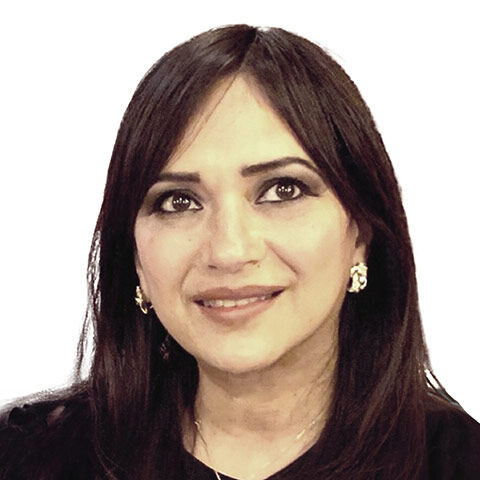

TARTOUS/DAMASCUS — High up in the hills of Tartous, in the stone house that her late father lovingly built, May Najeh Khalouf, a 47-year-old divorcee with a rose tattooed onto her left wrist, sits erect on a tasseled velvet armchair. She explains why she ran and won in Syria’s controversial parliamentary elections that were held on Oct. 5. Khalouf’s story illustrates the complex relations between Syria’s diverse minorities and its new Islamist leaders, in which Christians sit at the top and Alawites at the bottom, and the lines separating them all are blurrier than they seem.
“I am very happy and I carry a big responsibility, and the elections are a very positive thing. I don’t speak just as a member of a minority group but on behalf of all the people,” Khalouf said in her first interview with the media since her victory.
“Government representatives requested I run. Church leaders told me it was my duty to help,” Khalouf told Al-Monitor.
A trip to the rooftop is necessary, she said, in order to understand the social and religious landscape she navigates. Once there, she gestured to the clusters of whitewashed houses dotting the hills above and the plains below. “Sunni village, Alawite village, Christian village,” she said, as she rattled off their names.


