



Russia voices support for new Libyan PM
Moscow is throwing its support behind new Prime Minister Fathi Bashagha and its belief that he can "unite Libyan society."
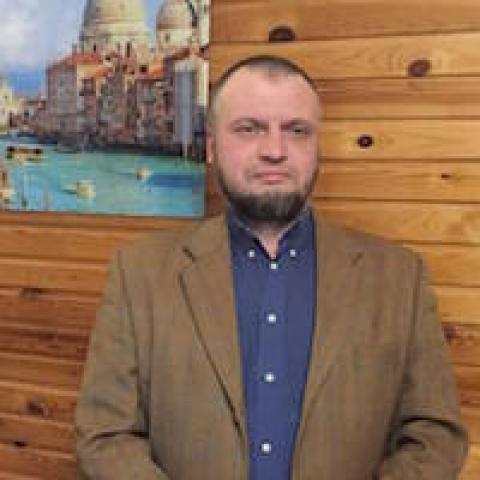

Russia was one of the first countries to express its support for Libya's new prime minister as divisions were reignited between the war-torn country’s rival governments.
Former Interior Minister Fathi Bashagha was appointed to the position by the country's east-based parliament, or House of Representatives, despite the fact that the UN-recognized government in Tripoli denounced the move. The latter’s premier, Abdulhamid Dbeibeh, is in no hurry to transfer his powers and hopes to keep his position until the government in Libya is formed following the presidential elections, which have been indefinitely postponed.
Russian Foreign Ministry spokeswoman Maria Zakharova commented Feb. 14 on the situation around the new Libyan government. In response to a reporter's request, she stated, “We are closely following the development of the internal political situation in Libya, where on Feb. 10, the [Tobruk-based] House of Representatives approved the well-known Libyan politician and former head of the Ministry of Internal Affairs in the former Government of National Accord of Libya, Fathi Bashagha, as the new prime minister of the country. He was instructed to submit proposals on the composition of his Cabinet to the parliament within 15 days. We presume that the election of their own government is the prerogative of the Libyans themselves. In this case, the majority of members of the Chamber of Deputies, a representative body created on the basis of a popular vote, voted for the candidacy of Bashagha.”
Zakharova emphasized that Moscow believes the “choice of the Libyan parliamentarians should be respected,” adding, “The most important thing is that the existing contradictions between the Libyans should not lead to a serious conflict but be resolved through negotiations and compromises.”


