



Israel’s Bennet makes first speech to UN
Contrary to former Prime Minister Benjamin Netanyahu, Prime Minister Naftali Bennett chose to deliver a straightforward, calm and gimmick-free first speech to the General Assembly.
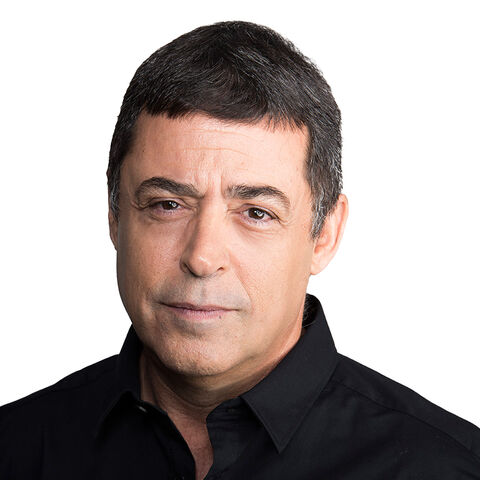

A complex task awaited Prime Minister Naftali Bennett in preparing his maiden speech to the UN General Assembly on Sept. 27, his first appearance on the international stage since taking office in June. One could describe it as a paradoxical task: Bennett was supposed to be as much as possible like his predecessor, Benjamin Netanyahu, but at the same time as little as possible like Netanyahu’s controversial alter ego “Bibi”. He had to step into the gigantic shoes of Netanyahu's impassioned fire-and-brimstone speeches to the UN, but to forego the childish gimmicks, boastful threats, and antagonism that he generated among many.
One of Netanyahu’s most impressive strong points was (is) his rhetorical ability and charisma, as expressed in international speeches that, to many Israelis, positioned him as a perfect orator and English-language wordsmith, and the most effective advocate the people of Israel have had in 3,000 years. Without exaggeration.
In that sense, Bennett survived the challenge and emerged unscathed. No, he was not Netanyahu, but he was good enough. His English is as polished as his predecessor’s. Unlike Netanyahu, Bennett struck a businesslike and calm tone. Not too arrogant, leaving out unnecessary pathos and gimmicks. He came to speak with the world, not to preach at it, without tricks or shticks. It worked.
Bennett cleaned up the jarring background noise that accompanied his predecessor’s appearances. He avoided mentioning the Holocaust, for example. He threatened Iran one time only, and even then, the threat was implied, without Netanyahu’s saber-rattling and nose-thumbing. Most interesting was his approach to the US. It is unclear whether the Americans were aware of their part in the deal or whether it was an independent Israeli initiative. Either way, Bennett intentionally avoided mentioning two burning issues: The conflict with the Palestinians and US negotiations on a return to the nuclear agreement with Iran.


