



Has Israel’s political left given up?
Contrary to their enthusiasm ahead of the Sept. 17 election, former Prime Minister Ehud Barak and his colleagues in the leadership of the left-wing camp seem to have disappeared lately from the political arena.
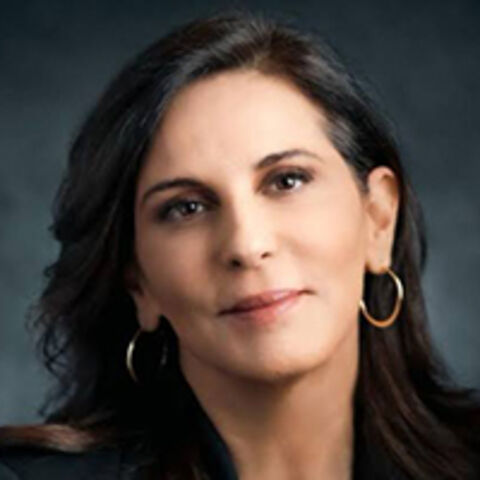

The last time Chairman of Labor-Gesher Amir Peretz was active on social media was Oct. 9. It was right after Yom Kippur, and he went online to express his horror at the despicable hate crime that took place at the synagogue in Halle, Germany. His partner in the party’s leadership, Knesset member Orly Levy-Abekasis, last popped up online on the eve of Rosh Hashana when she posted a generic greeting in honor of the Jewish New Year.
The two of them have had almost no real presence in traditional media either since the Sept. 17 election. There is practically no mention of their Labor-Gesher party in the political discourse, except when it comes to Peretz’s stubborn refusal to join a government with Prime Minister Benjamin Netanyahu. While the fact that he is keeping a campaign promise is worthy of respect, is that the sum of the main left-wing party’s role? After the devastating blow that Labor-Gesher suffered in the September election when it won six seats and barely spared total obliteration, Peretz and Levy-Abekasis should have responded immediately by launching a campaign to rehabilitate their party. They should have turned the current situation into the engine that restores relevance and momentum to the Israeli left. Instead, Peretz continues to be little more than a hanger-on and addendum to the Blue and White party, and a marginal figure in the moribund social democratic and peace camps, now facing extinction.
The situation in the country’s other left-wing party, the Democratic Camp, isn’t much better. True, the party’s chairman, Nitzan Horowitz, is much more active on social media, traditional media and on the ground. On Oct. 15, at the height of uncertainty over the fate of the agricultural enclaves on the Jordanian border (the Jordanian lease expires next week), he even paid a visit to Naharayim. Horowitz even went on to mention the peace agreement with Jordan, claiming that the Jordanians “are not extending the leasing period in response to the actions of the Israeli right and Netanyahu.” While this may have been nothing more than a statement, it is still important because it gives voice to an entire worldview and shows that the leader of a left-wing party still has a public presence. Horowitz also backed Tel Aviv Mayor Ron Huldai’s revolutionary plan to operate public transportation on the Sabbath.
In contrast, former Prime Minister Ehud Barak, who was largely responsible for the creation of the Democratic Camp last summer, has been silent since the last election. No one has heard anything from him other than a few random tweets. The fact that he is nowhere to be seen is particularly conspicuous because he wasn’t silent for a moment in the days leading up to the election. He was a true fighter, running a one-man opposition campaign against Netanyahu. He pushed for the creation of a center-left bloc and did everything he could to see it through. His voice on behalf of the political left was crystal clear. He provided headlines on a daily basis, but then, right after the election, he disappeared.


