



Israel, Egypt strengthen energy ties
Strengthening ties in the field of energy between Israel and Egypt is a clear interest for both countries, but no less a significant American interest as well.
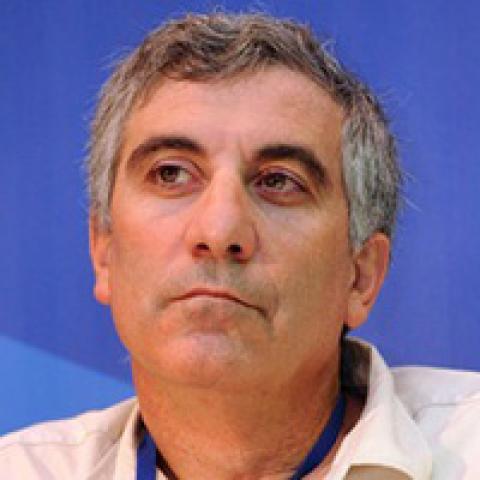

The visit of Minister of Energy Yuval Steinitz to Egypt July 25 for the natural gas forum, attended by regional energy ministers, highlights the continued warming in relations between Israel and Egypt under its leader President Abdel Fattah al-Sisi. In January, Steinitz visited Cairo for the first regional natural gas forum. During his current visit, Steinitz received an official reception that included exceptional gestures on the part of the hosts: a press conference with Sisi himself and a visit to the pyramids at Giza, with the press in tow.
The estimate is that the high media profile given to the visit stems, among other things, from the American patronage as part of President Donald Trump’s “deal of the century” and the economic workshop in Bahrain June 25, where a significant cornerstone was laid on the way to overt normalization between Israel and the pragmatic Sunni states, including on issues dealing with the energy industry, on which the Gulf states' economy is based.
In light of the discovery of the enormous natural gas deposits in the Mediterranean, Egypt and Israel have become important players in the energy field. This has brought Steinitz and his Egyptian counterpart Tarek el-Mulla to discuss stepping up the implementation of a previous agreement to export gas from Tamar and Leviathan gas rigs to two gas liquifying facilities in Egypt, and the agreement’s potential future expansion.
The more interesting initiative raised in the talks between Steinitz and Mulla was the creation of a land-based liquefaction facility on the shore of the Red Sea in the Sinai Peninsula, through which gas could be exported for energy needs to markets in Asia. According to senior officials in the Ministry of Energy in Jerusalem, the plan is to build the facility in Egyptian territory. This project would provide employment for thousands of Egyptians as it is being built and to hundreds more when it is operating. Building the facility on the shores of the Red Sea would open up the possibility of exporting Israeli and Egyptian gas to important markets in East Asia, including India, China, Japan, South Korea and other countries. Today, this market consumes about 70% of global liquid natural gas. The price of building land-based liquefaction plants of a medium scale is about $10-15 billion, and the relative advantage of a facility located on the Red Sea shore is shortening the duration the gas is transported and bypassing expensive transport through the Suez Canal.


