



Turkey seeks to grab bigger share of halal market
Turkey is setting up a Halal Accreditation Authority in the hope of boosting sales to fellow Muslim countries.
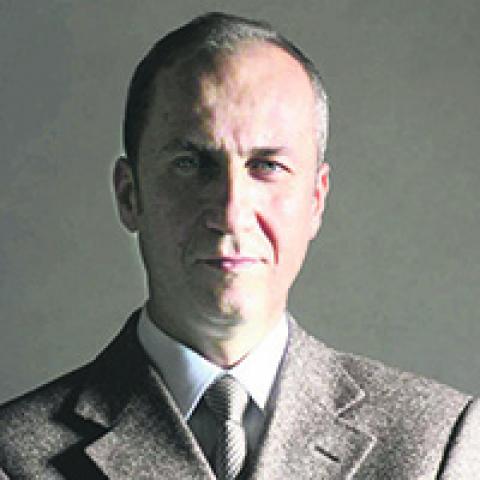

The fast-growing halal market in the Islamic world and Western countries with sizable Muslim communities has long whetted Turkey’s appetite. Last year, then-Economy Minister Nihat Zeybekci grumbled that companies from non-Muslim countries dominated 80% of the $4 trillion global halal market, which ranges from food and cosmetics to health care, tourism and financing. This is “not acceptable,” he said, stressing that Turkey was stepping up efforts to grab a larger share of the market.
Parliament took the first step in November, passing legislation for the creation of a Halal Accreditation Authority. On July 15, President Recep Tayyip Erdogan issued a decree on how the Halal Accreditation Authority would be established, completing the legal framework for Turkey’s drive to become a leading market player with state-guaranteed halal labels.
The Halal Accreditation Authority will adhere to halal standards set by the Standards and Metrology Institute for Islamic Countries, a body under the umbrella of the 57-member Organization of Islamic Cooperation. Companies from Turkey and other Muslim countries will be able to apply to the Halal Accreditation Authority for accreditation.
Turkey’s aim is to make the Halal Accreditation Authority the most authoritative body on the issue in the Muslim world. According to Zeybekci, the Halal Accreditation Authority is the world’s first regulatory institution on halal matters, which would add credibility to the halal certificates issued by Halal Accreditation Authority-accredited entities.


