



Explosive art in Beirut explores power of cultural identity
In an exhibition at the Saleh Barakat Gallery in Beirut, Lebanese artist Katya Traboulsi celebrates cultural diversity while highlighting the way that fear of difference drives a never-ending cycle of conflict.
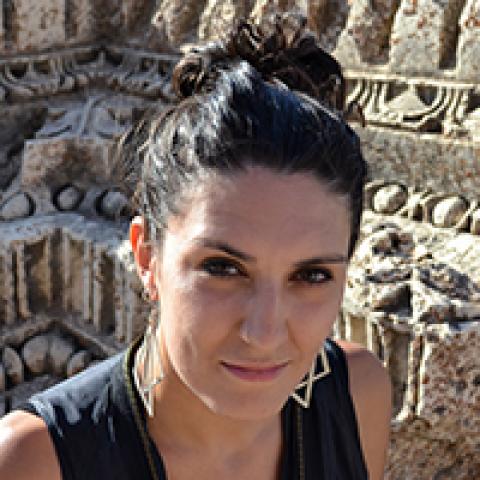

“When you have kids, you live in constant fear of the future,” says Katya Traboulsi, seated in the spacious underground exhibition hall of the Saleh Barakat Gallery in Beirut. Behind her are 47 sculptures. Each is made from different materials and decorated in a unique style, but all of them share the same basic shape: They are modeled on the bombshells that razed swaths of Beirut’s urban fabric to the ground during the horrific civil war that formed the backdrop to Traboulsi’s teenage years.
“Since the First World War, the Second World War and what’s happening now [in Syria], we’re not learning,” Traboulsi laments. “We need to be at war. We need to destroy the other. Why? We’re all the same. We all have blood and bodies and fear and emotions. It’s just physical appearance and geography that create different identities.”
Geography, borders and nationalism are at the heart of Traboulsi's exhibition. Titled “Perpetual Identities,” it explores the relationship between conflict, culture and identity. Each of the 47 sculptures on show is designed to represent the culture of a different country, highlighting the value of cultural identity while also serving as a warning about the dangers of nationalism and fear of “the other.”
The artist was spurred to begin work on the project, which has taken almost four years from conception to exhibition, by the ongoing conflict in Syria, which caused her to question whether human beings are capable of living in peace.


