



Hifter set to cast wide influence in potential Libyan elections
Libya’s military strongman, Khalifa Hifter, announced his support for UN-backed elections in the country in a surprising move that could see Hifter and his supporters sweep up power.
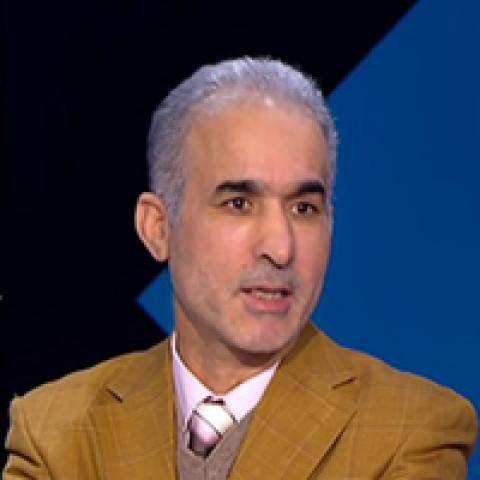

In a surprising move, Gen. Khalifa Hifter, Libya’s eastern military strongman, announced his acceptance of elections in Libya as a way out of the political deadlock in the war-ravaged country. Spokesman Brig. Gen. Ahmed al-Mesmari announced the decision in a news conference Dec. 27.
However, Mesmari said his boss agreed to the elections only if they are organized under “United Nations and Arab League supervision,” while calling on the country’s parliament to pass a new electoral law within “reasonable time.” Both conditions are likely to be met since the United Nations is in charge of the whole political process in the country and the current election law is likely to be amended because different political groups and a large number of the general public reject it given its unclarity and its favoring of independent contestants over political parties. The current election law also does not exempt holders of dual nationality citizens from running in elections, which directly violates Libya’s current citizenship law.
This sudden but significant development raises the following question: What made Hifter change his mind and how important it is for the UN-proposed elections, due sometime in the spring, and for the country on the eve of the seventh anniversary in February of its so-called revolution, which has caused chaos in the North African state since 2011?
But let’s not forget that this is not the first time the commander of the largest military force in the country committed himself to elections. In a meeting hosted by French President Emmanuel Macron in Paris on July 26, 2017, Hifter made a similar commitment. But no elections took place to see if the military man would honor what he agreed to. Furthermore, Hifter had rejected the elections and announced Dec. 17 the end of the Libyan Political Agreement (LPA) signed on Dec. 17, 2015. So why should Hifter be trusted this time?


