



Is Israeli High Court’s independence at risk?
Israeli Justice Minister Ayelet Shaked and her associates are trying to reduce the independence of the High Court and appoint justices who share their worldview.
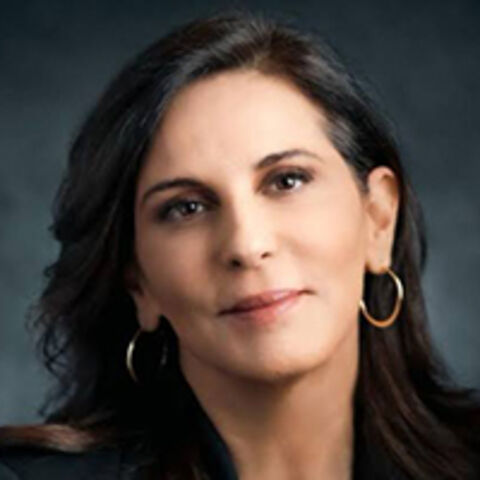

In October 2013, only a few months after the establishment of Prime Minister Benjamin Netanyahu’s third government, Knesset members Ayelet Shaked (HaBayit HaYehudi) and Yariv Levin (Likud) submitted a series of legislative initiatives to the Knesset. The bills were designed to weaken the power of the Supreme Court and halt the court’s leanings toward judicial activism. Shaked and Levin’s package of bills were supposed to shake up the Israeli judicial system in order to make a major change. These bills included a change in the composition of the Judicial Selection Committee (giving the High Court one representative at the committee instead of three), limits on the High Court’s authority to disqualify bills and the re-legislation of bills it has disqualified. In addition, one of the bills aimed to task the Knesset with the responsibility for choosing the president of the Supreme Court. Traditionally, the position of president was always given to the most senior member of the serving justices.
For Levin, the move was part of his activism to limit the power of what he feels is a left-leaning High Court. In 2011, Levin tried to advance a bill that would subject all judges to a Knesset hearing before they could be appointed to the Supreme Court. Neither round of legislative attempts was successful, but the issues behind them still hover over the Knesset and the judicial system.
These legislative initiatives, which at first seemed marginal and populistic and were sharply challenged even by Likud officials such as Dan Meridor and Benny Begin, eventually morphed into a key agenda. This happened not only because Levin was appointed minister of internal affairs in 2015 and Shaked became justice minister and chairperson of the Judicial Selection Committee. Instead, it mainly happened as a result of the unleashing that has reigned in many spheres of the political system. For example, there is no one in the coalition who has the role of “defender of the rule of law.” True, Kulanu Chairman and Finance Minister Moshe Kahlon took this role upon himself, but his lack of involvement in these processes shows us that he is not the man to halt the tidal waves that have already reached the doors of the High Court.
Last October, Shaked tried to advance a bill that would revoke the veto power of the Supreme Court justices in their appointment process. This attempt led to a bitter argument between her and Supreme Court President Justice Miriam Naor. Naor sent a letter to Shaked, blaming her for “placing a gun on the table.” This background information is important in understanding the confrontation between Naor and Knesset member Robert Ilatov (Yisrael Beitenu), a member of the Judicial Selection Committee. This clash was reported Dec. 14 in the Yedioth Ahronoth newspaper.


