



A different kind of intifada
The sustainability and longevity of the current protests in Palestine seem dependent upon the continuation of violence and whether or not people manage to stay hopeful.
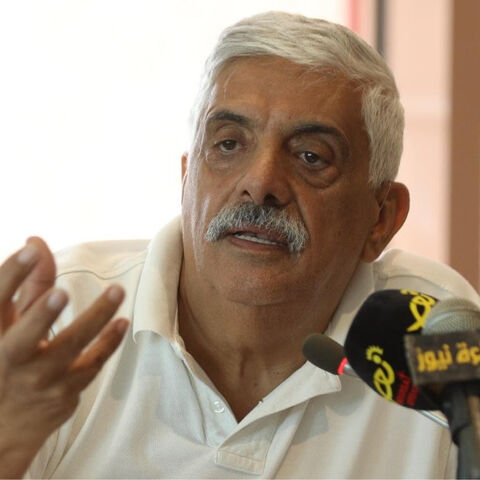

The ultimate direction of the current violent escalation in Jerusalem and the rest of the West Bank is a mystery. Is it the long-anticipated third intifada? Or is it merely a short-term spike in the escalation of violence?
One thing seems clear: There is no way of knowing or predicting the depth, length or nature of what happens when people lose hope. Palestinian President Mahmoud Abbas’ decision to wash his hands of the 1993 Oslo Accord — which he himself had signed 22 years earlier — might be the straw that breaks the camel’s back.
Without any peace process in sight and with the young Palestinian population seeing no future, it is not surprising that people are revolting. The question that is hard to answer is related to sustainability: How long will the people protest before they reach exhaustion? Ironically, this question was asked at the beginning of the last two large uprisings — the first and second intifadas.
During the first intifada the unified leadership was completely underground, even though it was loosely affiliated with the various Palestine Liberation Organization (PLO) factions. During the second intifada, also referred to as Al-Aqsa Intifada, the role of the lightly armed Palestinian police and the suicide attacks, as well as the role of the Palestinian citizens of Israel, provided backing to the protest activities.


