



Israel, the fortress
When Israel completes the construction of its eastern fence, it could finally declare itself a well-fortified stronghold in the heart of the Middle Eastern jungle.
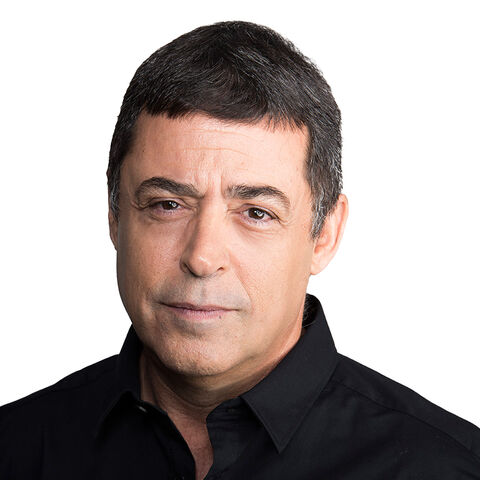

Knesset member Isaac Herzog, head of the Israeli opposition, never imagined the furor that would result from comments he made during an interview in Tel Aviv on Sept. 5. Herzog called on Israel to absorb Syrian refugees, saying, “I spoke with a senior member of the Syrian opposition, now in exile in Europe. The Syrian opposition has very harsh claims about what is happening around the world today. … Jews cannot be apathetic when hundreds of thousands of refugees are searching for safe haven.”
Herzog’s remarks spread quickly and evoked fierce responses. Almost all of the Likud’s ministers attacked him sharply for his comments. Even Prime Minister Benjamin Netanyahu jumped into the fray by portraying Herzog as having no commitment to Israel’s security, integrity or Jewish character. At the start of last Sunday’s Cabinet meeting, Netanyahu declared, “Israel is a small country, a very small country, that lacks demographic and geographic depth; therefore, we must control our borders against both illegal migrants and terrorism.”
The Zionist Camp was quick to respond. They immediately released a statement saying that late Likud Prime Minister Menachem Begin, who agreed at the time to absorb refugees (the boat people) from Vietnam (1977-79), “is turning over in his grave.”
These sharp exchanges continued throughout most of the week against the backdrop of the heart-wrenching photo of the dead Syrian toddler Aylan Kurdi, which sent shivers throughout the entire world, including Israel. The debate over the Syrian refugees now flooding Europe underscored yet again the immensity of the chasm separating Israel’s two political camps. The right has long isolated itself and is now manning the barricades in the modern citadel that is the new Israel. In contrast, the left tries to cling to more liberal, humane values, while trying to connect to the country’s natural environment in the enlightened world.


