



Israeli-Arab pharmacists offer doses of understanding
The possibility to study in Jordan has opened the way for Israeli Arabs to become pharmacists and to integrate into the Israeli work market.

The Israeli public knows her well: Salma, the Arab pharmacist. She is a professional in her field — courteous, personable, speaks impeccable Hebrew and is always willing to help Jewish customers who are seeking medical advice. But Salma is not a real pharmacist. She is a character played by actress Liat Har-Lev on the satirical TV show “Eretz Nehederet” (“Wonderful Land”).
The writers of the top-rated program mainly created Salma’s character to reflect the reality that many of the pharmacists in Israel these days are young Israeli Arabs. And as in “Eretz Nehederet,” in real life, the encounter at the pharmacy between Jewish costumers and Arab pharmacists is unique, and often amusing, when Jews meet a young Arab man or woman for the first time and find that they are nothing like the familiar stereotypes they know.
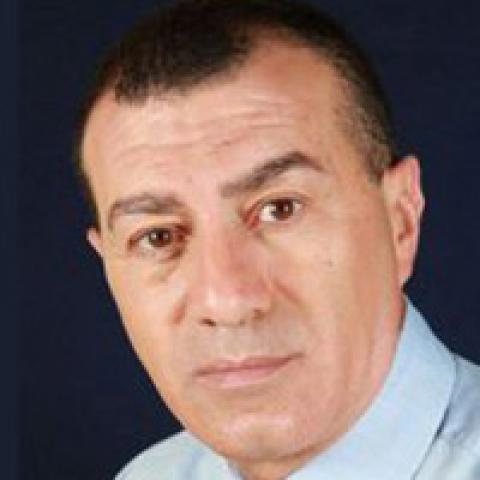
“It’s a good bridge between Jews and Arabs,” Hani Daoud, the Israeli-Arab chairman of the Pharmacists’ Association in northern Israel, told Al-Monitor. “I don’t mean Jews who live near Arab communities and know Arabs. I’m referring to Jews who have only ever seen Arabs clashing with Israeli police or soldiers on TV. They don’t know the educated, erudite Arabs — those who have traveled abroad, are highly skilled and intelligent, who are very polite and respect others. And then they [the Jews] are surprised and astounded. Often they change their minds about them,” Daoud said.
“Suddenly, the Arab woman wearing a scarf is not scary,” said Huzan Younes from the northern village of Ara. Younes, a doctoral student of labor studies at Tel Aviv University, researched for her dissertation the various career development stages among Israeli-Arab female university students. The findings surprised her.


