



MK Frej hopes to build bridges through Arabic prose
Arab-Israeli Knesset member Issawi Frej aspires to make Arabic literature accessible to the Israeli public and promotes an initiative for an annual public prize, to be given to Israeli authors writing in Arabic.
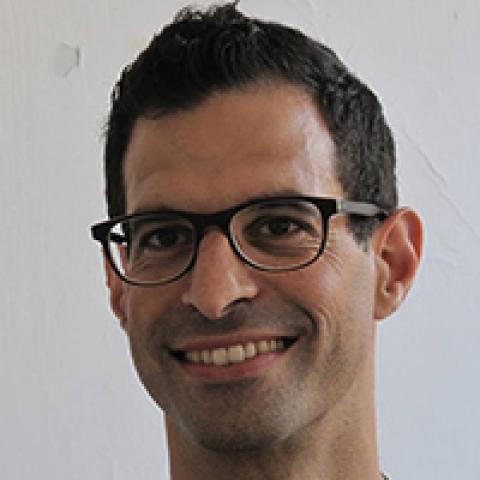

Israeli-Arab Knesset member Issawi Frej organized on June 10 a gathering in the Knesset in honor of the Arabic Book Festival, an initiative to create public events related to Israeli-Arab-written prose and literature. But even though the Likud Party's newly appointed minister of culture, Miri Regev, declared that she will be “the minister of culture for everyone," she didn’t come. In fact, only nine members of Knesset participated in the event, just one of them from the coalition. “There’s a deafening silence from the minister of culture,” Frej told Al-Monitor. “But we will bring the issue to her agenda. I expect that the people of the book [in reference to the Jewish people] will also be a light to the gentiles.” Regev has yet to respond.
Under these circumstances precisely, when the issue of Arab culture has become such a sensitive one, and in view of the prevailing tensions between Israeli Jews and Arabs, Frej wants to advance the status of Arabic literature in Israel. “I called the process 'Books Build Bridges,'" he said. “In the difficult reality of Jewish-Arab relations in Israel today, a reality of separation, tension, nationalist discourse and discourse of hatred, we have to find something that connects the different groups that compose Israeli society. Culture, language and literature are just the ticket.”
According to Frej, he dreams of an Israeli book week, not a Hebrew book week. “Fans of Arabic literature deserve to participate in book week,” he said. “I was at a bookstore with my son, and they have a table of Hebrew children’s books. A Jewish kid comes in, walks up to the table, leafs through books, reads, chooses and asks mom to buy one. I want my son to have the same kind of experience. While the Arab sector has some private initiatives, I want something state-sponsored — a book bazaar throughout the country with the participation of schools, including a project to encourage reading — for an Arab kid to get the same opportunities as a Jewish kid — access to books in his mother tongue.”
Frej's initiative includes several elements, the most interesting of which is the establishment of a literary prize equivalent to the Sapir Prize for Hebrew Literature, to be given to an Arabic-language work written in Israel. Frej also introduced a bill for the establishment of a digital database of Arabic literature written in Israel and wishes to start an Arabic book week. “I want the big bookstore chains, which represent 80% of the book market, to devote a corner to Arabic literature, like they do for English and Spanish literature,” he said.


