



Hope for Libya after first round of talks
After months of painful lobbying, the UN’s special envoy to Libya, Bernardino Leon, managed to get opposing sides to the negotiating table, with Libya’s main warring factions declaring a cease-fire to give the talks a chance.
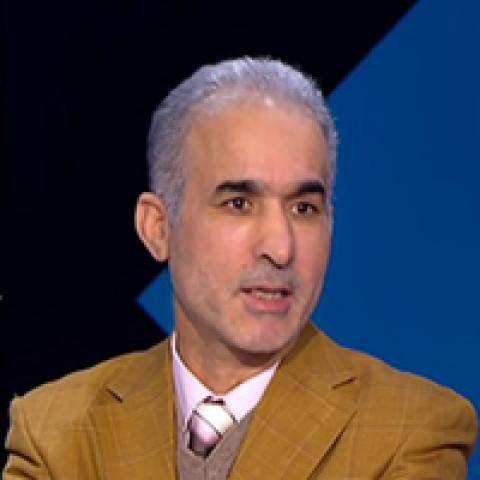

With the strong backing of the United Nations and the European Union, finally, UN special envoy to Libya Bernardino Leon’s mediation in the Libyan crisis has borne some fruit.
Leon succeeded in bringing the rival bickering Libyan factions together in Geneva for two-day talks Jan. 14-15 to agree on an agenda for further talks that will resume this week, according to a statement by the United Nations Support Mission in Libya (UNSMIL). The intense negotiations produced negotiable points for further discussions, which were a positive sign of progress given the violence Libya has suffered since last summer.
The most important point on the agenda was the agreed cease-fire to go into immediate effect. In what appeared to be a show of good faith, Libya Dawn militias were quick to announce suspension of hostilities on all fronts as of Jan. 15 on the condition that the Tobruk-based government does the same, according to a statement delivered to local media by their spokesman Ahmed Hadia.
It was not long before the Libyan army announced its own cease-fire effective midnight Jan. 18. However, in a statement published on Jan. 17, the army retained its right to continue targeting “terrorists who deny Libyans their right in building a national democratic state,” a clear reference to jihadists in eastern Libya, namely Ansar al-Sharia and the Benghazi Revolutionaries’ Shura Council, who have been fighting the army since last summer. In practical terms, the army’s cease-fire means a suspension of hostilities around the oil crescent in central Libya, east of Sirte, and on front lines in the Nafusa mountains close to the Libyan-Tunisian border. It will also halt airstrikes against the western city of Misrata, the backbone of the Libya Dawn militias.


