



UN envoy balances rival factions in risky Libyan talks
UN envoy to Libya Bernardino Leon is set to steer a new round of talks between rival factions in Libya, neither of which he reportedly considers legitimate.
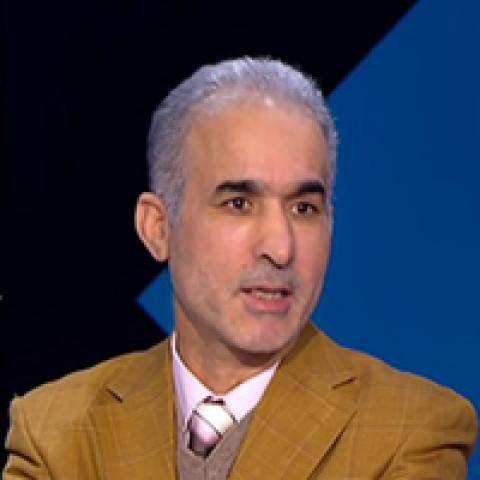

On Dec. 2, Bernardino Leon, the head of United Nations Support Mission in Libya (UNSMIL), announced a new round of talks between Libyan rival groups to be held in the desert oasis of Ghadames on Dec. 9. These talks will be a follow-up to last September’s, which brought together parliamentarians and their boycotting colleagues. In that initial meeting, both sides expressed their opinions on how to reconcile the country’s two rival governments and avert further bloodshed.
Since then, however, Libya has gone through many changes. The novice army backed by Gen. Khalifa Hifter appears to be gaining on the ground, at least in Benghazi. Meanwhile, the Libya Dawn leadership in Tripoli has entrenched its political position after the Supreme Court declared the elected parliament in Tobruk illegal, thus annulling it, and used Leon’s visit to Tripoli last October to further advance its claim of legitimacy.
This time around, though, Leon seems to have departed from the UN’s position of recognizing only the Tobruk-based elected parliament and its government headed by Abdullah al-Thinni. On Dec. 2, Al Arabiya reported his position as "Neither Tobruk-based authorities, which are backed by [Hifter], nor the Tripoli-based Islamist authorities can claim legitimacy."
The elected parliament has already agreed to attend the talks, but on the condition it be treated as the sole elected body representing the Libyan people. Libya Dawn, on the other hand, wants the parliament in Tobruk to accept the ruling of the Supreme Court, which decided the parliament itself was unconstitutional and should disband.


