



Israel mourns Shulamit Aloni, champion of feminism in Israeli politics
The former education minister and Israel Prize laureate, Shulamit Aloni, was the grand dame of civil rights, and above all a pioneer in the fight for women’s rights in Israel's male-dominated, militaristic environment.
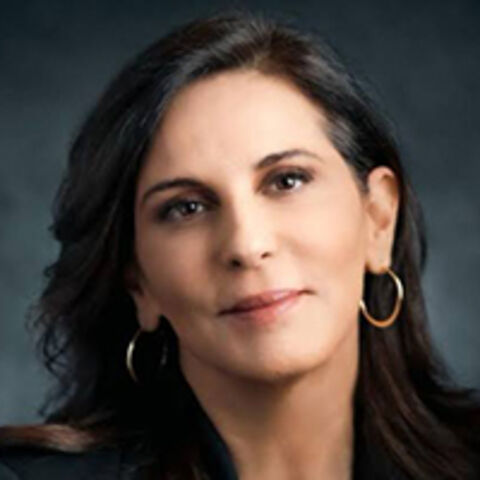

At one of the peak moments of their mutual loathing, the late Prime Minister Golda Meir spat out at late minister Shulamit Aloni: “Here we don’t say, 'I think.' Here we say, 'We think.'” This oft-quoted reprimand defines concisely and precisely the essence of Aloni, an individualistic woman who was the mirror image of many female and male politicians over the years.
It’s hard to think of two more different women. They were born 30 years apart, but it wasn’t just age that separated them. It was a whole world view, a true chasm of ideas. Meir was the first and only woman to serve as prime minister in the State of Israel, but she never pretended to be a symbol of the struggle for gender equality. It’s highly doubtful that she even understood the feminist idea. Unlike her, Aloni was a self-professed fighter for women’s rights in the days when politicians in Israel didn’t even know how to pronounce these two words.
Former Education Minister Yossi Sarid, who inherited Aloni’s position as chairman of the Meretz Party, excels, as is his wont, in defining the difference between these two giants of Israeli politics on this issue. “While Shula talked of women’s status in society, Golda thought this wasn’t an issue because the fact was that she was a prime minister,” he said in a conversation on the morning of Jan. 24, when Aloni’s death was announced.
Sarid, currently a columnist for the Israeli daily Haaretz, still remembers the enmity between the two, which eventually led Aloni to spread her wings, leave the Mapai Party (the mother party of Israeli Labor) and establish a party of her own, that engraved on its political banner what were revolutionary ideas at the time, such as human and civil rights. “Golda didn’t just object to her, she didn’t understand what she wanted of her,” he said.


