



Hezbollah escalates rhetoric against Riyadh
While Hezbollah and Saudi Arabia have been at odds for months over their opposing positions in the Syrian war, Hezbollah has recently escalated its rhetoric, directly accusing Riyadh of waging open warfare against the party.
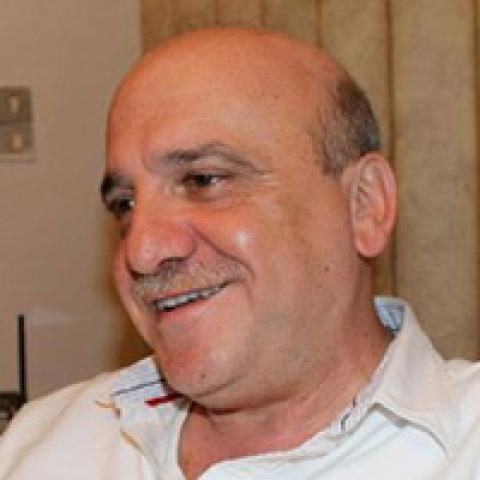

During a lengthy televised interview on Dec. 3 with Al-Monitor columnist Jean Aziz, Hezbollah Secretary-General Hassan Nasrallah verbally attacked the Kingdom of Saudi Arabia, accusing its intelligence services, led by Prince Bandar bin Sultan, of financing the Islamist suicide bombers perpetrating attacks in Lebanon and Syria. The intensity of his attack reached the point of Nasrallah dissenting from the position of his ally Iran that Israel had been responsible for the twin suicide attacks aimed at leveling the Iranian Embassy in Beirut on Nov. 19. Nasrallah opined that Iran, as a nation, is legitimately trying to safeguard its interests and that the embassy bombings were an expression of Saudi anger toward the nuclear agreement reached in Geneva between Tehran and the P+5 powers.
Previously, Nasrallah had never mentioned Saudi Arabia by name when criticizing it. This recent frontal assault, however, reflects the depth of the crisis that has come to mar relations between the two sides. A Hezbollah source speaking to Al-Monitor described the level of tensions as being akin to a declaration by Riyadh of an open security and political war against the party.
In essence, the current crisis between Saudi Arabia and Hezbollah revolves around the so-called Riyadh rejection of Iranian influence in the Arab world — particularly in the Levant, and especially in Syria, Iraq and Lebanon. Riyadh considers Hezbollah to be Iran’s enforcer in the Levant, and its anger against the party grew after Hezbollah expanded its activities beyond Lebanon to play an effective military role on the side of President Bashar al-Assad’s regime in Syria. Riyadh points to the battle for Qusair, in which the party fought earlier this year, as proof of its expansion beyond Lebanon’s borders and its championing of Iranian influence in the Middle East arena.
On Nov. 28, the Gulf Cooperation Council announced the imposition of additional sanctions against Hezbollah interests within its member states. It also threatened to expand the sanctions if the party’s military presence in Syria continues. In response, Nasrallah replied that anyone who thinks his party will withdraw from Syria as a result of security, economic or political pressures is gravely mistaken. Prior to that, in a speech on Aug. 16, he had declared that he “would not hesitate to go fight there [personally], if the battle to defend Syria necessitated that he and his party do so.”


