



What, or Who, Killed Yasser Arafat?
The Lancet's suggestion that Palestinian Authority Chairman Yasser Arafat might have been poisoned leaves room for doubt, not only regarding the credibility of the findings, but the motivations behind them.
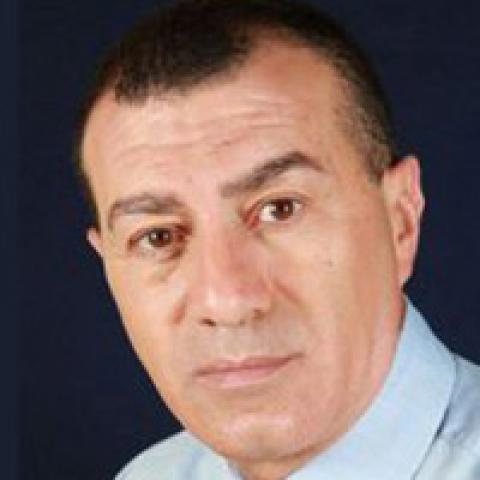

A month and a half before his death on Nov. 11, 2004, I met Palestinian Authority (PA) Chairman Yasser Arafat at the Muqata Presidential Compound in Ramallah. I came to conduct an interview for Israeli television after he had been besieged for many months at the compound, many parts of which had been destroyed during that time by Israel Defense Forces bulldozers. The gradual destruction of the compound, piece by piece, was meant to demonstrate to Arafat that his end was coming near every time Palestinians carried out a terrorist attack in Israel.
Then-Prime Minister Ariel Sharon hated Arafat. He used to call him “the dog in the Muqata,” and longed for his death with all his might. What stood between Sharon and his giving a green light to assassinate Arafat were former US President George W. Bush, the international community and chiefly the assessment of the intelligence community that the assassination of the PA chairman would only further incite the bloody intifada that took place during those years. Sharon chose to imprison Arafat in the governmental compound in Ramallah and humiliate him as much as possible. Sharon believed that Arafat was not only the one responsible for the breakout of the latest round of violence but also worked to encourage and incite the uprising and the suicide bombings that terrorized Israeli citizens.
This was the situation in which I met Arafat. He was sick, tired and delusional. He looked thin, and I initially assumed that the days of siege on Ramallah had left their mark on his face and on his wizened body. He wore his gray uniform and was bedecked from head to toe in medals and victory ribbons, as if he were the general of a great military power. On the side stood the iron bed in which he slept. His appearance was pitiful. He continued to talk with pathos about the “covenant of the brave” he made with late Prime Minister Yitzhak Rabin in Oslo, while the backdrop of ruins all around and the smell of dust in the air were the relics of war and not of peace.
After four hours in his office, my impression was that the PA chairman had lost his sense of time and reality. He rejoiced like a child when Palestinian official Mohammed Dahlan brought him a tray of his beloved baklava pastries from Gaza, from a pastry shop named after him. He invited us, the camera crew and me, to a light supper: pitas, light cheese and the baklava Dahlan brought for dessert. Someone whispered to us that Arafat ate light foods because his health did not allow him to eat more. He could not digest what he ate, it was explained.


