



Israel, Hamas Watching Change of Leaders in Qatar
Israel closely follows the change of leadership in Qatar, and the impact of the change on the Arab Peace Initiative.
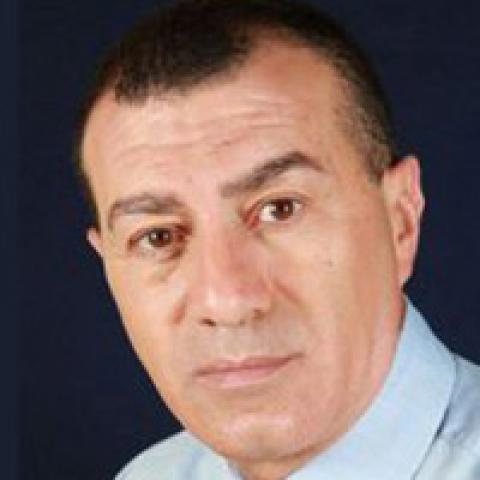

Hamad bin Khalifa Al Thani had a big surprise in store for the entire Arab world. While at the height of power and influence after 18 turbulent years on the throne, the 61-year-old emir of Qatar handed power to his second son, Tamim, 33.
The first hint of the emir’s impending retirement was provided to Al Safir newspaper on June 11 by Muhammad Ballout. The news also appeared here in Al-Monitor. Many unanswered questions about the timing and reasons for the abdication have been raised since then, and up until the official announcement. Will the emir’s young son succeed in filling his father’s shoes and continuing his policies, which transformed the tiny emirate into a major influence in the Arab world?
Al Thani was quick to recognize exactly what Qatar’s weaknesses were. It is a tiny state, but it also has vast natural resources. He realized that in order to ensure that none of his neighbors coveted Qatar — just like Iraq coveted Kuwait in 1991 — he must implement sage policies, which would create thick defensive walls around the vulnerable emirate and keep any hazards and threats at a safe distance.
Qatar has a good relationship with Iran, and they even share a nature gas field. The emir also fostered and maintained a good relationship with the Muslim Brotherhood in Egypt and in general, because he immediately recognized them as the most significant rising force in the turbulent Arab world of the 21st century. At the same time, he also maintained an open foreign policy toward Western nations, and especially with the United States, which regards Qatar as a strategic ally of the first tier. The large US naval base in Qatar offers a consummate guarantee that the country will be defended from any unanticipated threats. Over the last two years, Qatar also became a major factor in the “Arab Spring.” It openly supports the Syrian rebels and provides them with money with which to buy arms. One of the most important triggers of the Arab Spring was the Al-Jazeera news network which, according to many in the Middle East, served the interests of the uprisings that took place from Tunis to Syria. Al-Jazeera was created by the departing emir and was, in effect, his “baby.” Through it, he could loom over the other Arab leaders.


