



Israeli Politicians Address Gay Pride at Parade
Israeli politicians participated in numbers at Friday's Gay Pride Parade in Tel Aviv, but words are not enough and hugs have to be transformed into deeds.
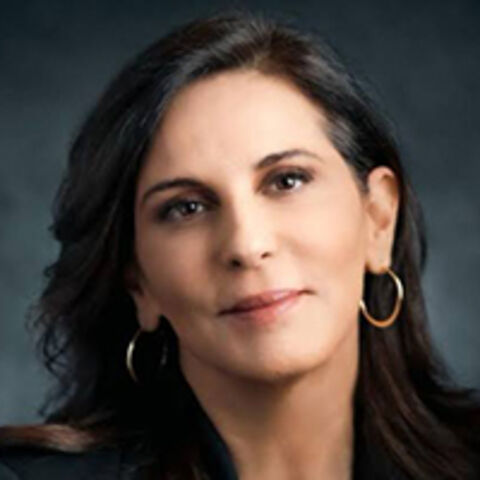

In 2009, when Justice Minister Tzipi Livni served as chairwoman of the Kadima party and as foreign minister, her campaign managers discovered that the candidate they were canvassing for was gaining traction in the gay community. They instantly realized that such an embrace meant votes in the ballot box.
This was a win-win situation for both sides. Livni was gaining active support from a powerful group with a strong presence in the media, thereby reinforcing her image as a champion of liberal values. The gay community, for its part, was gaining a highly prominent politician, the leader of the largest party in the country (back then Kadima had 29 Knesset seats out of 120) who was also vying for the premiership.
Livni heralded a new era in the relationships between Israeli politicians and the gay community. She managed to knock down the "leftist" barrier. Until that time, the community's representatives in the Knesset hailed from left-wing parties, chiefly Meretz. And suddenly, for the first time, they were enjoying the support of a leader from centrist politics, and one that comes from a "devout" right-wing ancestry to boot. In the political world of those years it was not uncommon to hear the chairman of the Orthodox Shas party, Eli Yishai, opine that "homosexuals and lesbians are sick people." Politicians from the right preferred to keep silent in the face of such vituperation so as not to "lose the Orthodox."
Tzipi Livni discovered the wonders of this powerful group, serving as its perfect ambassador.


