



Organ Transplants Bring Israelis, Palestinians Close
In Israeli hospitals, Jewish and Arab patients are treated equally — and even save each other's lives.
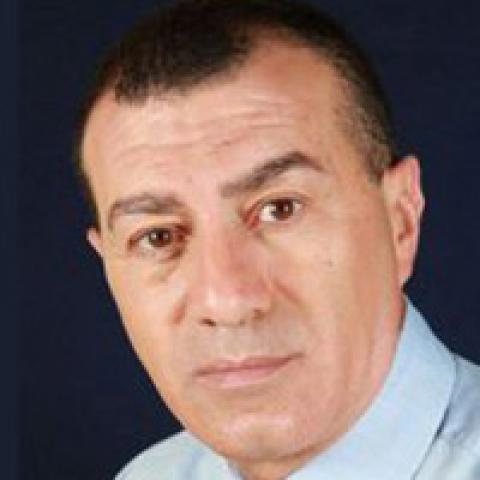

"If you look for a light at the end of the tunnel, you'll find it in Israeli hospitals," Zeev Rotstein, the director of Sheba Hospital at Tel Hashomer, once told me. "A bridge to peace is being built right before our eyes. Its foundations should no doubt run deeper and its columns be shored up. But the fact remains that hospital wards turn people who were just shy of death into lifelong ambassadors, ambassadors of coexistence."
Indeed, in the corridors of Israeli hospitals, almost on a daily basis and away from the media, human stories are woven. Stories that can only be found there — on the fine line between life and death, where all preconceived notions, prejudice and hatred are set aside. Here are a few of the tales that have unfolded since the beginning of this month at Israeli hospitals.
At the Rambam Medical Center in Haifa, 32-year-old Muhammad Aqrat from Haifa and 57-year-old David Ben-Yair from the nearby suburbs lay side by side. Muhammad's wife donated a kidney to Ben-Yair, and in return for the noble act that saved his life, Ben-Yair's son donated a kidney to Muhammad.
In the medical world, this is called a crossover transplantation. When the blood types of the patients in need of a transplant do not match those of family members willing to donate an organ, doctors search a database shared between all the hospitals. In the case of Aqrat and Ben-Yair, it was discovered that their relatives matched each other, and a cross kidney transplant was possible. When doctors suggested the procedure to Aqrat and Ben-Yair, they both agreed with no hesitation.


