Why Saudi Arabia's balancing act with US, Iran, Houthis risks collapse
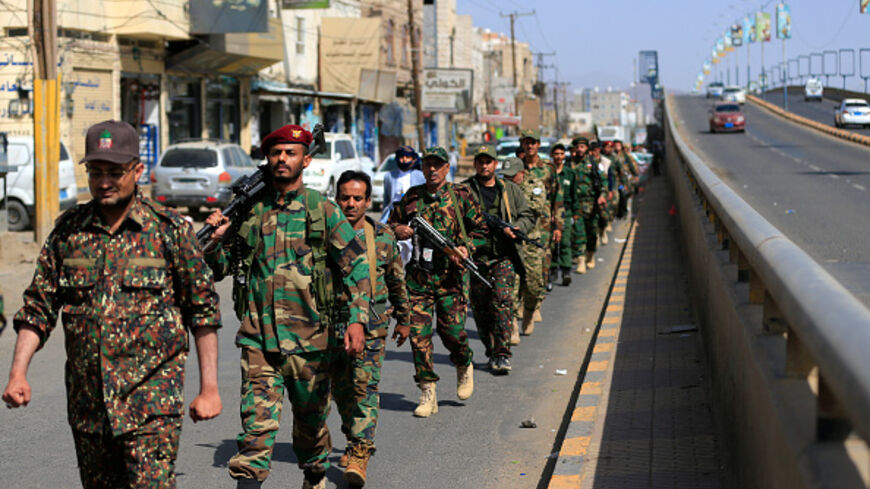
Houthi rebels escalated their attacks on Tuesday, triggering alerts around the holy city of Mecca, Taif and the Red Sea port city of Jeddah.

Saudi Arabia's policy of hedged deterrence — engaging diplomatically with its enemies while remaining aligned with its principal ally, the United States — is proving a dead end amid continued attacks by Iran, its Houthi allies in the Red Sea and its Shiite militant proxies in Iraq, officials based in the region say.
The limits of that policy burst into full view when Saudi Arabia withdrew at the last minute from a meeting scheduled for Monday between Iran, the Gulf Arab states and Iraq in Oman's coastal resort city of Salalah. The purpose was to discuss the contours of an Omani-brokered deal that would guarantee safe passage for vessels through the Strait of Hormuz, through which, prior to Iran's blockade of the waterway, the bulk of Gulf and Iraqi oil exports flowed.
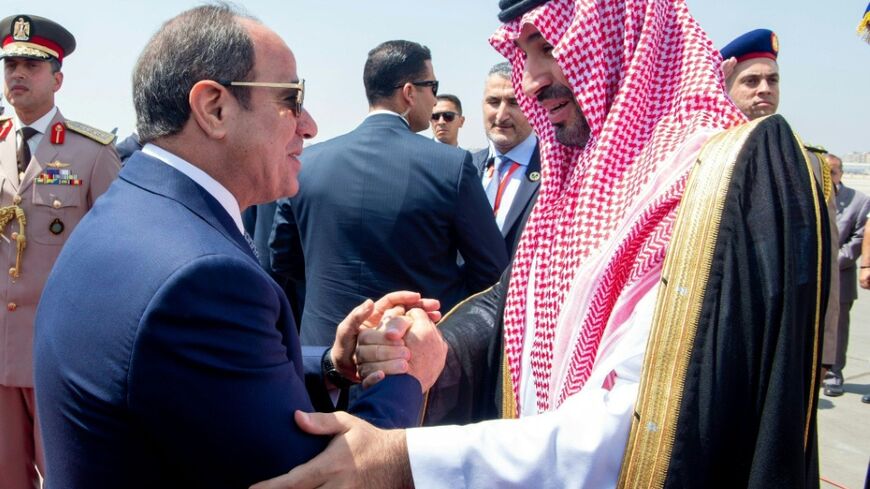
Saudi Crown Prince Mohammed bin Salman had agreed to explore the deal during a Sept. 1 meeting in Jeddah with Omani Sultan Haitham bin Tariq, amid mounting setbacks and the realization that the United States would not intervene forcefully on the kingdom's behalf, officials speaking on condition of anonymity told Al-Monitor. Oman controls the southern portion of the Strait of Hormuz and has played a central role in mediating between Iran and the Gulf states over unhindered access to it.
The Saudis withdrew after rejecting Iranian assertions that the strait is not an international waterway, according to an unnamed senior Gulf official cited by The New York Times on Tuesday. Sources briefing Al-Monitor said pressure from the Trump administration played a significant role in the kingdom's decision. Brad Cooper, the top commander of American forces in the Middle East, met the Saudi crown prince on Monday and was likely already in the kingdom when the Saudis pulled the plug on the Salalah meeting, the officials said. A CENTCOM spokesperson did not respond to Al-Monitor's request for comment on Cooper’s movements.