



On eve of Palestinian local elections, competition in short supply
With many races unopposed and rivals excluded, the vote underscores a calibrated effort to contain dissent and prioritize stability.
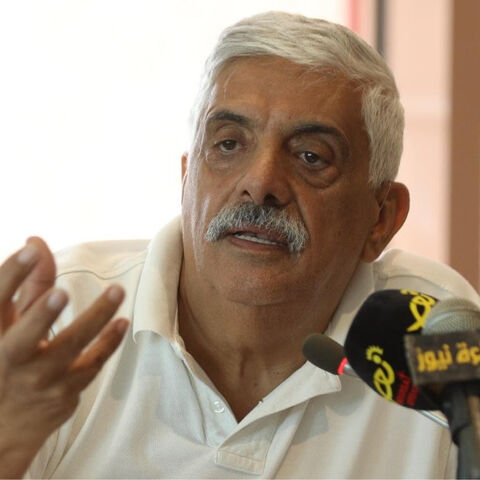

Palestinian municipal elections scheduled for April 25 are being shaped less as a competitive political contest and more as a tightly managed exercise, with many major cities expected to see little to no electoral competition.
The vote, which will cover 136 municipal councils across the West Bank and the Gaza Strip’s Deir al-Balah, comes as the Palestinian leadership under President Mahmoud Abbas seeks to project institutional continuity while minimizing political risk. In practice, the elections are expected to focus primarily on local governance and service delivery, with candidates’ platforms emphasizing municipal issues such as infrastructure, sanitation and public services rather than broader national political positions. This marks a notable shift in tone from more politically charged contests in the past. With many races already decided before ballots are cast, the outcome in many areas is largely predetermined.
Unlike past elections, political parties and factions are largely staying out of direct competition. The ruling Fatah movement has instead worked to consolidate unified candidate lists in major urban centers, resulting in single, unopposed slates in cities such as Ramallah and Nablus. Under Palestinian law, municipal councils are elected through proportional representation, and council members then select the mayor from among themselves rather than through a direct public vote.
This lack of competition reflects a broader effort by the Palestinian leadership to avoid turning the elections into a referendum on Abbas, whose popularity has declined in recent years. Even in the absence of Hamas participation, officials appear wary that rival lists — particularly those emerging from within Fatah’s own ranks — could signal internal dissent.


