



Iran’s Seminarians React To Rouhani’s Election
Qom Seminary in Iran seems to have pinned its hopes on Rouhani's ability to reduce international pressure and restore the clergy's standing domestically.
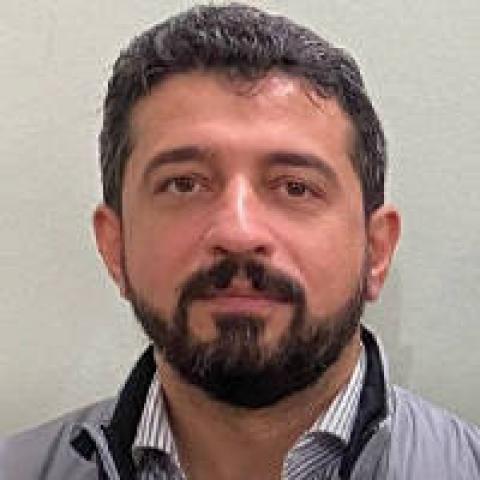

Hassan Rouhani’s victory in the Iranian presidential elections resulted in variety of reactions within Iran’s different social and political circles. Although he is wearing what is the official clerical robe in Iran, the experience of the previous elections show that Hawza is not necessarily allied with, or supportive of, a cleric as the president. From time to time, non-clerical candidates have managed to attract more attention from the influential members of Qom’s seminary with their ideas and policies.
Unlike the first and second term of Ayatollah Hashemi Rafsanjani’s elections, this time around the Hawza of Qom did not have a unified view toward a single candidate. Nor did they have a binary split between two opposing candidates, as in Ahmadinejad’s second term.
Usually Hawza does not give an official opinion regarding the candidates, although the Society of the Seminary Teachers of Qom, try to present the position of a limited number of clerics connected to the establishment as the official position of the Hawza. Generally observing, the body of the Hawza was divided into three sections in this election: the “traditionalist majority” who have traditional right wing tendencies and the two minorities of “reformist” and “radical right.” The traditionalist majority group, which usually shows tendency toward Hashemi Rafsanjani’s outlook and position, in this election and in absence of Rafsanjani, was divided into different branches. Each one of the candidates, except Saeed Jalili, had attracted a portion of this group. Saeed Jalili belonged to the radical faction of Hawza and in particular the group around Mesbah Yazdi.
In light of the above observations, Rouhani’s victory, as a representative for both the traditional conservatives and the reformists, satisfied the majority of clerics in the Hawza of Qom, although some of them had not voted for him. In addition, a general observation of votes cast in the city of Qom also confirms the claim that Rouhani’s portion of the votes in the Hawza was probably high. Rouhani’s votes in this city were more than 200,000 and almost twice as much as Jalili’s votes, the runner up in Qom.


