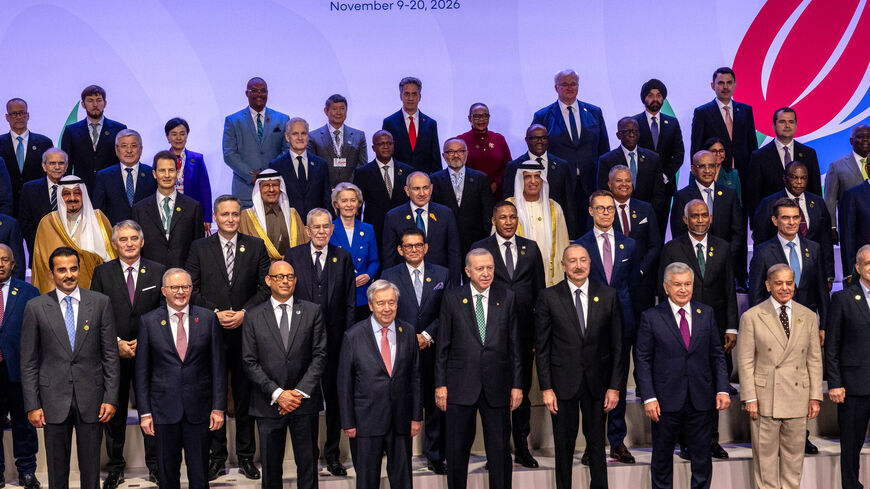



Newsletter: Daily Briefing Iran war shadows Turkey’s COP31 summit World leaders began arriving in Antalya on Wednesday to take part in the COP31 climate conference, which Turkey is hosting for the first time. By Gabrielle Debinski In New York City, reporting on the Middle East
Analysis Iran's alleged cyberattacks in France raise fears of wider confrontation Iran's wartime threats are increasingly reaching beyond the Middle East, exposing vulnerabilities in Europe's civilian infrastructure and raising questions about Tehran's use of deniable operations to pressure its adversaries. By A correspondent in Tehran In Tehran, reporting on politics
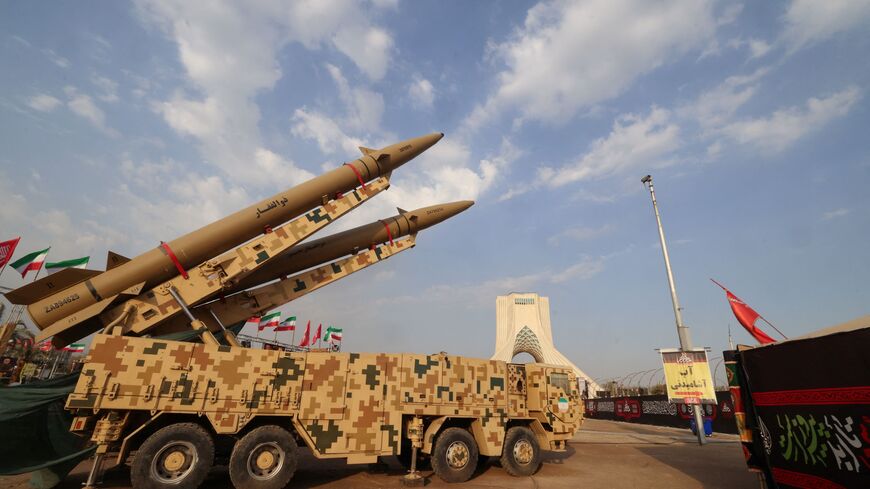
Iran unveils new underground 'missile city': What to know Iran has moved much of its missile stockpile underground as the threat of a new war looms. Iran
Newsletter: FutureVerse Does Middle East have Nvidia problem? Nvidia shares tumbled this week as the company launched an independent investigation, sparking fallout that could reach all the way to the Middle East. By Samuel Wendel In Washington, DC, reporting on regional business and tech
Veteran US diplomat: After Iran deal, focus on Syria US diplomat James Dobbins shared his thoughts on what is next for the US and Iran, and what the recent agreement means for further collaboration in the region. Iraq
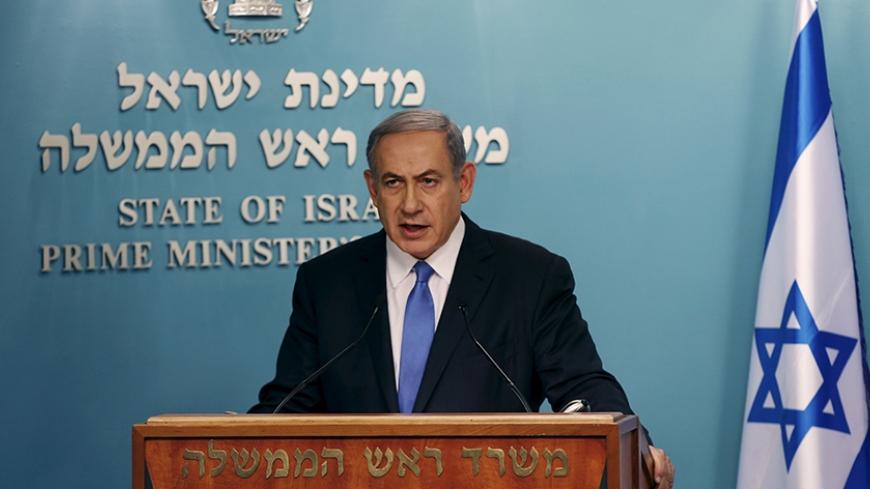
Obama's foreign policy doctrine rejected by Israel Prime Minister Benjamin Netanyahu's unequivocal rejection of the Iranian deal reflects his rejection of President Barack Obama's liberal doctrine, which embraces a strategy of diplomatic solutions to conflicts in cooperation with US partners. Israel
What Lebanon will get from the Iran deal Economist Hassan Mokalled told Al-Monitor that the expected boost the nuclear deal will provide Iran's economy could benefit Lebanon in several areas. Lebanon
Khamenei foreign policy adviser says Iran sticking to its guns Ali Akbar Velayati says that the nuclear deal will not change Iran's regional policy or limit the country's missile program. Iran
Can Netanyahu get Congress to reject nuke deal? The United States and Israel are close allies, but the battle over the nuclear deal is getting fiercer by the moment. Israel
Iran MPs: Hamas visit to Saudi Arabia a 'mistake' While Iran has been a strong supporter of the Palestinian group Hamas, a trip by its leaders to Saudi Arabia has drawn warnings from Iranian politicians. Saudi Arabia
Israeli media drowns out pro-Iran-deal voices Israeli politicians condemning the agreement with Iran have monopolized the conversation in Israel. Israel
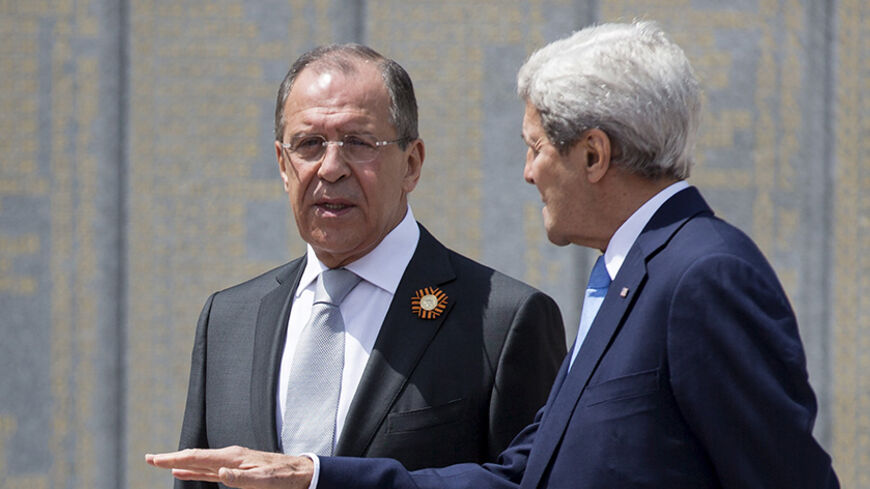
How US, Russia could solve Syria The successful cooperation between the United State and Russia throughout the Iran nuclear negotiations could bode well for a new plan for Syria. Syria
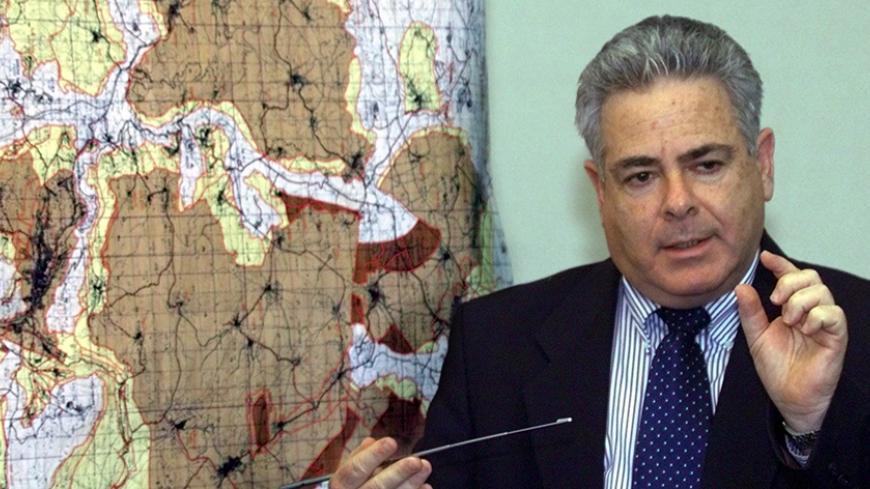
I'm no fan of Bibi but I see a bad deal, says former Labor minister In an interview with Al-Monitor, former Deputy Defense Minister Ephraim Sneh argues that the deal with Iran is dangerous to Israel, because it will strengthen Hezbollah and Hamas, while allowing Iran to enlarge its regional hegemony. Palestine
Revolutionary Guard leader slams US, criticizes deal The head of the Islamic Revolutionary Guard Corps said in an interview that there were problems with the draft resolution passed today by the United Nations Security Council. Congress
How Turkey really feels about the Iran deal Although Turkey seems to be happy with the Iran nuclear deal, it is hard to say that politically Turkey would be delighted seeing Iran emerging as a regional power and an international actor. Syria
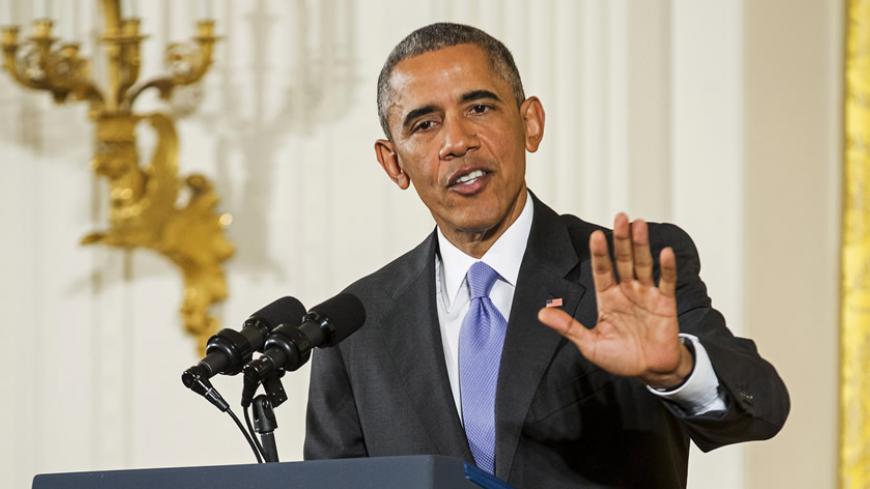
Obama calls for 'practical conversation' between Iran, Arab states US President Barack Obama tells Arab Gulf allies to “stop giving Iran opportunities for mischief”; Zarif says Iran “ready to engage” with Arab countries; Netanyahu weighs political costs of Iran deal. Legacy: Gulf