Trump dispatching Iran negotiating team to Pakistan, White House says

WASHINGTON, April 8 (Reuters) - U.S. President Donald Trump is dispatching his Iran negotiating team, led by Vice President JD Vance, to Pakistan, White House press secretary Karoline Leavitt said on Wednesday, adding that the first round of talks would take place on Saturday.

U.S. special envoy Steve Witkoff and Trump's son-in-law Jared Kushner were also part of the team, Leavitt told reporters.

Leavitt said Vance had played a significant and key role on Iran since the beginning, and said conversations had taken place between top levels of the U.S. government and China.
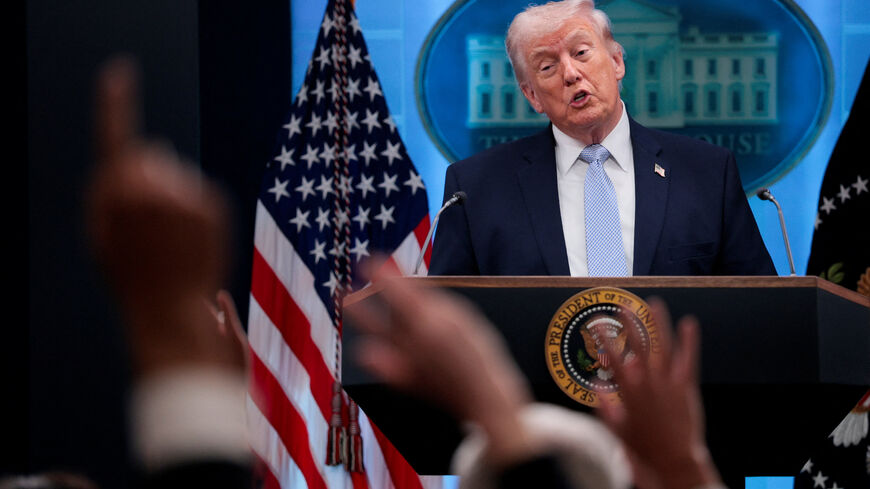
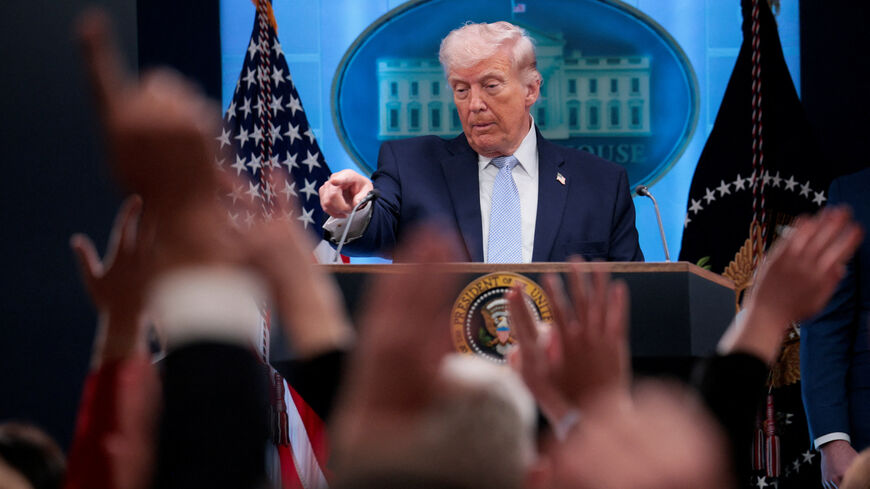
Reporters raise their hands to ask questions as U.S. President Donald Trump holds a press conference in the James S. Brady Press Briefing Room at the White House in Washington, D.C., U.S., April 6, 2026. REUTERS/Evan Vucci/File Photo

Analysis-As Trump claims victory, Iran emerges bruised but powerful with leverage over Hormuz

By Samia Nakhoul

DUBAI, April 8 (Reuters) - Nearly six weeks of war in Iran have ended, for now, with President Donald Trump claiming victory, but the U.S.-Iran ceasefire locks in a harsh reality: an entrenched, radical government with control over the Strait of Hormuz and a powerful lever over global energy markets and Gulf rivals, analysts say.

The shockwaves have rippled outward, contributing to global economic strains and bringing conflict to Gulf neighbours whose economies depend on stability.

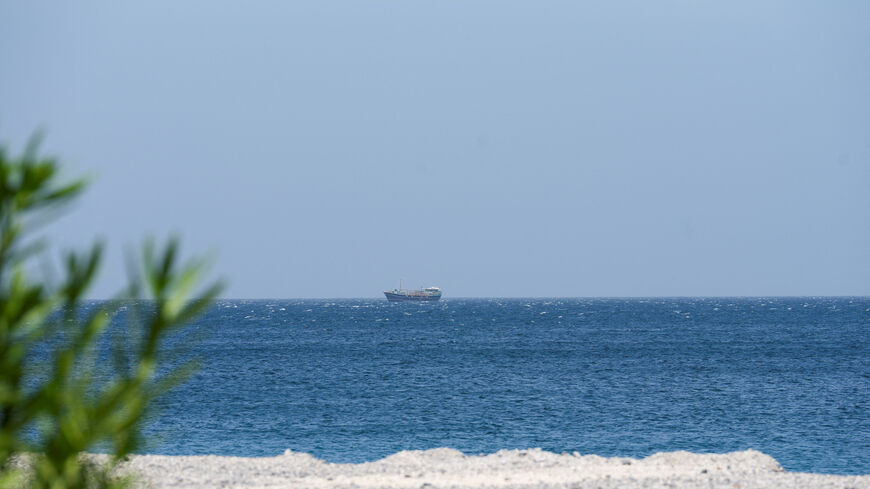
FILE PHOTO: A boat is off the coast of Musandam governorate, overlooking the strait of Hormuz, in Musandam governance, in Oman, April 8, 2026.REUTERS/Stringer/File Photo

'Talks were almost dead': Pakistan's last-ditch effort to secure Iran war truce

By Asif Shahzad, Alexander Cornwell and Ariba Shahid

ISLAMABAD/TEL AVIV, April 8 (Reuters) - Mediation efforts to halt the war in Iran were hours from collapse when Pakistan mounted an overnight diplomatic push to secure a temporary ceasefire and bring Washington and Tehran into direct negotiations, four Pakistani sources told Reuters.

The effort nearly unravelled after an Iranian strike on a Saudi petrochemical facility triggered fury in Riyadh and threatened to derail weeks of back-channel diplomacy, the sources - with direct knowledge of the talks - said.

FILE PHOTO: Pakistan's Prime Minister Shehbaz Sharif looks on during a business and investment conference, during his official visit in Kuala Lumpur, Malaysia, October 6, 2025. REUTERS/Hasnoor Hussain/Pool/File Photo

Italy summons Israeli ambassador after shots fired at UN in Lebanon

By Angelo Amante

ROME, April 8 (Reuters) - Italy summoned the Israeli ambassador on Wednesday to demand an explanation over shots fired at an Italian convoy in a U.N. mission in Lebanon, the foreign minister said, warning Israeli forces had "no authority to touch" Rome's troops.

The U.N. peacekeeping force, known as UNIFIL, is stationed in southern Lebanon to monitor hostilities along a demarcation line with Israel - an area that has seen major clashes between Israeli troops and Iran-backed Hezbollah fighters.

FILE PHOTO: Italian Minister of Foreign Affairs Antonio Tajani speaks to the media in Rome, Italy, September 1, 2025. REUTERS/Guglielmo Mangiapane/File Photo

US Senate to vote on resolution to curb Trump's Iran war powers

By Patricia Zengerle

WASHINGTON, April 8 (Reuters) - U.S. lawmakers will try again next week to pass a resolution to halt the Iran war and force President Donald Trump to obtain Congress' approval for any further attacks, Senate Democratic Leader Chuck Schumer said on Wednesday, hours after Trump announced a two-week ceasefire.

"Congress must reassert its authority, especially at this dangerous moment," Schumer told a press conference at his office in New York.

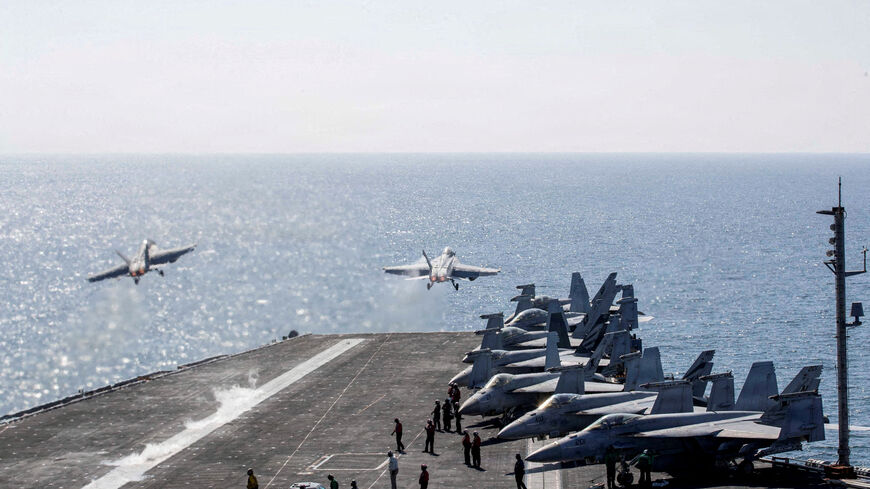
FILE PHOTO: Two F/A-18 Super Hornets launch from the flight deck of the U.S. Navy Nimitz-class aircraft carrier USS Abraham Lincoln in support of the Operation Epic Fury attack on Iran from an undisclosed location March 3, 2026. U.S. Navy/Handout via REUTERS /File Photo

IMF, World Bank and UN food agency say war is increasing food prices, insecurity

By Andrea Shalal

WASHINGTON, April 8 (Reuters) - The World Bank, International Monetary Fund and the U.N. World Food Programme warned on Wednesday that sharp increases in oil, natural gas and fertilizer prices triggered by the war in the Middle East will inevitably cause rising food prices and food insecurity.

In a joint statement issued after a meeting on the war, the leaders of the global institutions said the burden would fall most heavily on the world's most vulnerable populations, particularly in low-income, import-dependent economies.

FILE PHOTO: A view of the International Monetary Fund (IMF) logo at its headquarters in Washington, D.C., U.S., November 24, 2024. REUTERS/Benoit Tessier/File Photo

Trump says Lebanon is not part of ceasefire deal with Iran, PBS reports

WASHINGTON, April 8 (Reuters) - Lebanon is not part of the ceasefire agreement the U.S. has with Iran "because of Hezbollah" but will "get taken care of," U.S. President Donald Trump told PBS News in an interview on Wednesday a day after his ceasefire agreement with Iran.

Asked if he was okay with Israel's continued strikes, Trump said "That's a separate skirmish," PBS "News Hour" program's Liz Landers said in a post on X following the interview.

White House Press Secretary Karoline Leavitt earlier said that Lebanon was not part of the deal, Axios reported.

U.S. President Donald Trump takes questions as he speaks during a press conference in the James S. Brady Press Briefing Room at the White House in Washington, D.C., U.S., April 6, 2026. REUTERS/Evan Vucci

Italy summons Israeli ambassador after shots fired at UN in Lebanon

(Refiles to fix word order paragraph 5)

By Angelo Amante

ROME, April 8 (Reuters) - Italy summoned the Israeli ambassador on Wednesday to demand an explanation over shots fired at an Italian convoy in a U.N. mission in Lebanon, the foreign minister said, warning Israeli forces had "no authority to touch" Rome's troops.

The U.N. peacekeeping force, known as UNIFIL, is stationed in southern Lebanon to monitor hostilities along a demarcation line with Israel - an area that has seen major clashes between Israeli troops and Iran-backed Hezbollah fighters.

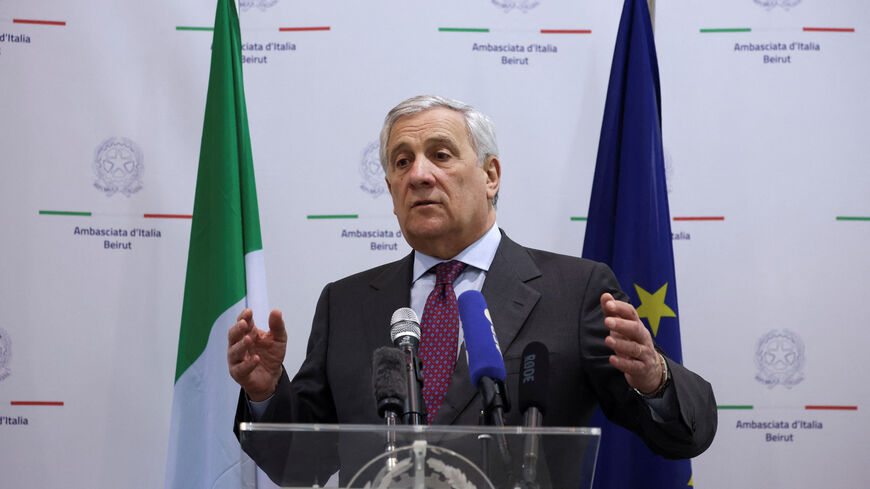
Italian Foreign Minister Antonio Tajani speaks during a press conference in the building of the Italian embassy, in Baabda, Lebanon, January 10, 2025. REUTERS/Mohamed Azakir

Explainer-US-Iran ceasefire: what we know

WASHINGTON, April 8 (Reuters) - Here is what we know following Tuesday evening's dramatic reversal by U.S. President Donald Trump of his threats to attack Iran's civilian infrastructure.

IS THERE ACTUALLY A CEASEFIRE?

It's unclear.

Iran and the U.S. agreed on Tuesday to a two-week ceasefire brokered by Pakistan, but fighting was still taking place on Wednesday.

Israel launched its biggest attacks yet on Lebanon, targeting the Iran-backed Hezbollah militia, destroying buildings and killing dozens of people without warning, according to Lebanese authorities.

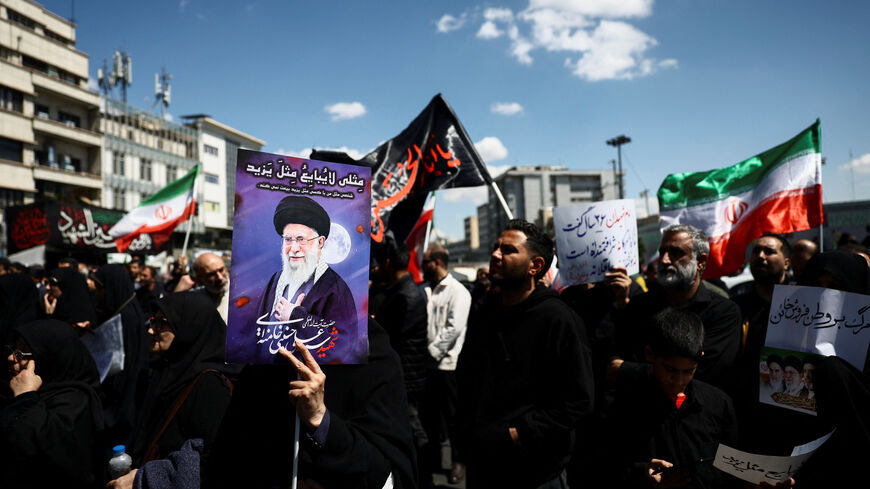
People gather after U.S. President Donald Trump said that he had agreed to a two-week ceasefire with Iran, in Tehran, Iran, April 8, 2026. Majid Asgaripour/WANA (West Asia News Agency) via REUTERS

Iran's economy was weak before the war, now it's worse

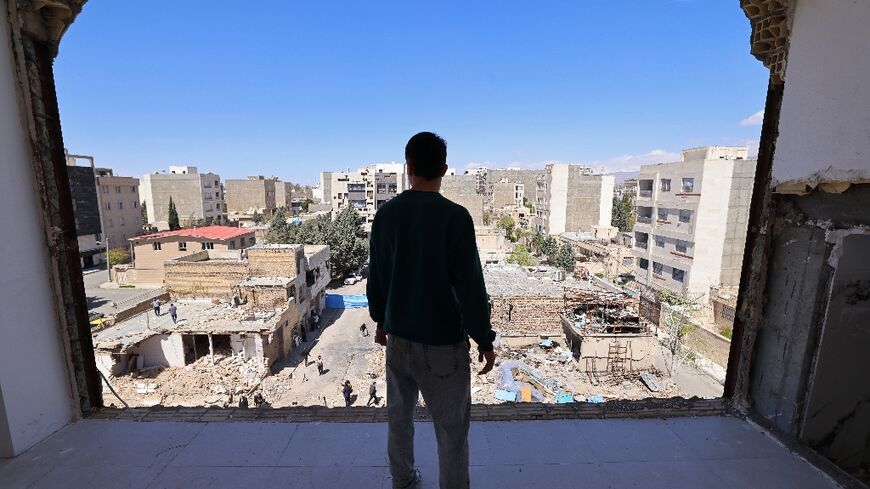
Even before the war in sanctions-hit Iran, inflation was running at nearly 50 percent and anger over the economy had fuelled massive anti-government protests. After more than five weeks of conflict, problems have only mounted.

Beyond the daily fear of attacks, the most immediate effect of the war has been another upward spiral in the prices of everything from basic goods -- food, drink, medicine or diapers -- to lunches in trendy city cafes.

Iran's sanctions-hit economy was fragile before the war