Explainer-US-Iran ceasefire: what we know

WASHINGTON, April 8 (Reuters) - Here is what we know following Tuesday evening's dramatic reversal by U.S. President Donald Trump of his threats to attack Iran's civilian infrastructure.

IS THERE ACTUALLY A CEASEFIRE?

It's unclear.

Iran and the U.S. agreed on Tuesday to a two-week ceasefire brokered by Pakistan, but fighting was still taking place on Wednesday.

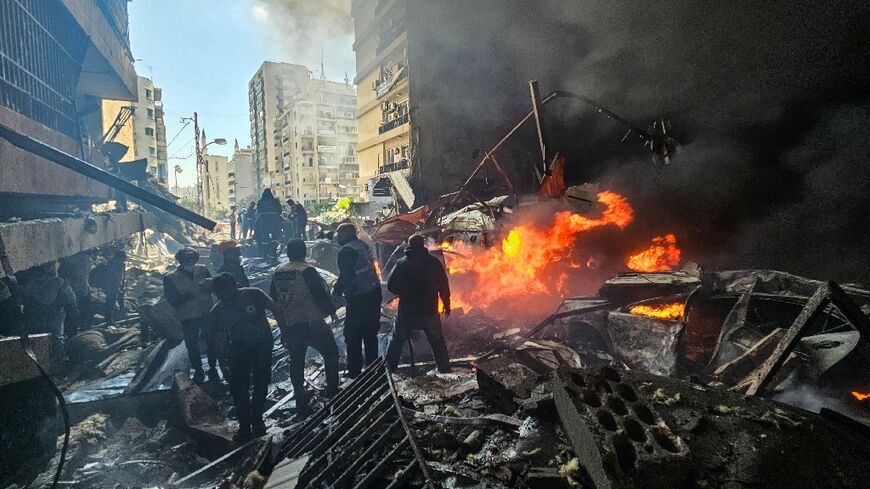
Israel launched its biggest attacks yet on Lebanon, targeting the Iran-backed Hezbollah militia, destroying buildings and killing dozens of people without warning, according to Lebanese authorities.
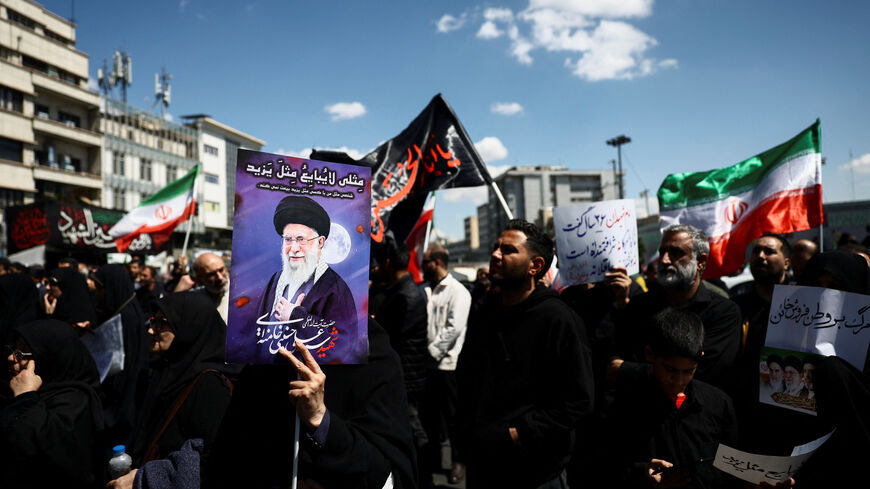
People gather after U.S. President Donald Trump said that he had agreed to a two-week ceasefire with Iran, in Tehran, Iran, April 8, 2026. Majid Asgaripour/WANA (West Asia News Agency) via REUTERS

Iran's economy was weak before the war, now it's worse

Even before the war in sanctions-hit Iran, inflation was running at nearly 50 percent and anger over the economy had fuelled massive anti-government protests. After more than five weeks of conflict, problems have only mounted.

Beyond the daily fear of attacks, the most immediate effect of the war has been another upward spiral in the prices of everything from basic goods -- food, drink, medicine or diapers -- to lunches in trendy city cafes.

Iran's sanctions-hit economy was fragile before the war

In the heart of Beirut, buildings in flames and charred cars

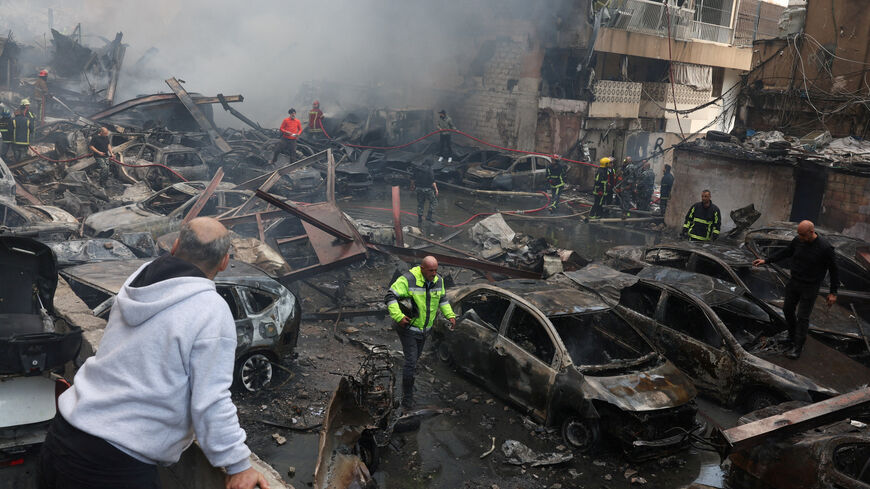
Buildings in flames, charred cars, ambulance sirens wailing: in an instant, an Israeli strike turned one of Beirut's busiest arteries into a scene of devastation on Wednesday.

Around 2:00 pm local time, a series of Israeli strikes slammed into the Lebanese capital without warning, triggering scenes of panic.

"People started running left and right, and smoke was billowing," said Ali Younes, who was waiting for his wife near Corniche al-Mazraa, one of the areas targeted.

First responders stand amid rubble at the site of an Israeli airstrike in Beirut

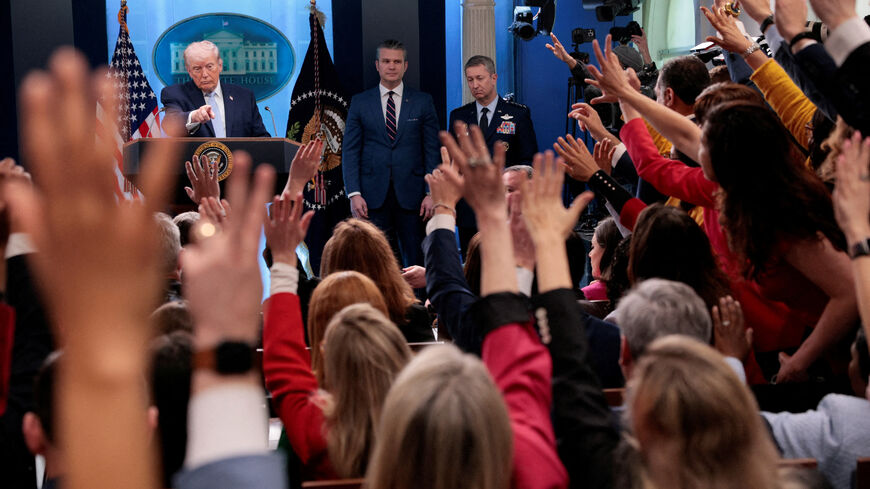
Trump says US-Iran talks will be behind closed doors

WASHINGTON, April 8 (Reuters) - U.S. President Donald Trump on Wednesday said talks on the Iran crisis would be held behind closed doors, and that "only one group of meaningful 'POINTS'" were acceptable to the United States, but gave no other details about the negotiations.

"These are the POINTS that are the basis on which we agreed to a CEASEFIRE. It is something that is reasonable, and can easily be dispensed with," he said in a social media post.

Trump separately told ABC News in an interview that he expects talks to begin on Friday and to move very quickly.

President Donald Trump takes questions as he speaks during a press conference in the James S. Brady Press Briefing Room at the White House.  REUTERS/Evan Vucci

Dilemma over crossings as fate of Hormuz ships remains uncertain

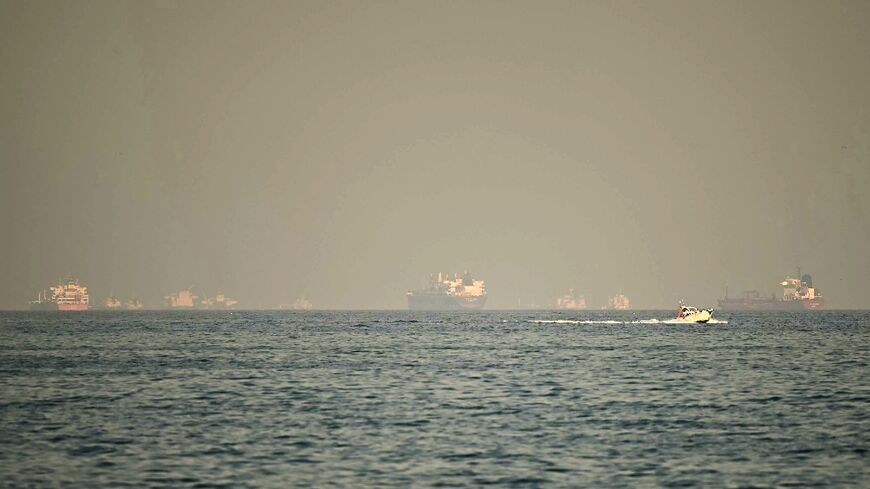
Only three ships risked crossing the Strait of Hormuz Wednesday, highlighting the extreme caution about using the key waterway even though both the US and Iran have said the strategic chokepoint would reopen.

- Who is taking the risk? -

Apart from the three ships which transited the strait after a two-week ceasefire in the Middle East war was announced overnight, only a handful of other vessels are on course to do the same, according to ship tracking website MarineTraffic.

Some 800 ships remain stuck in Gulf waters

US, Iran ceasefire sees Israel's war goals left hanging

A ceasefire between the United States and Iran has left Israel's principal war objectives largely unmet, analysts say, with Israeli opposition figures quick to denounce a major "strategic failure".

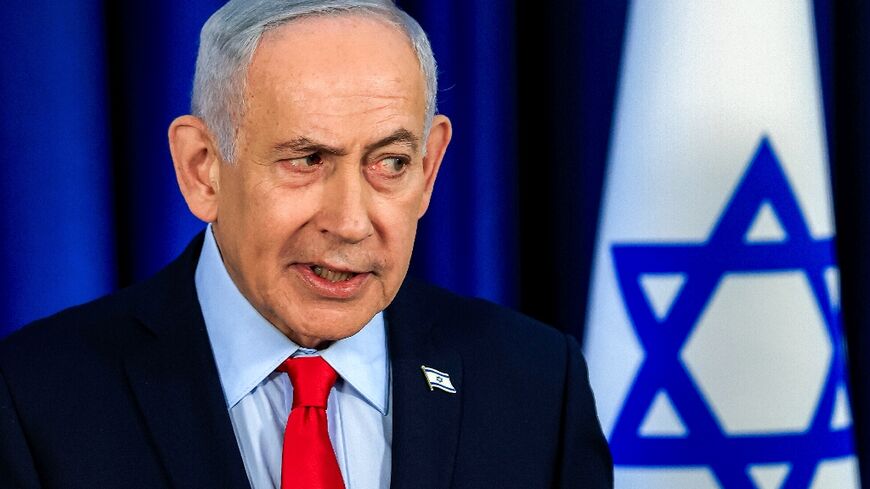
Prime Minister Benjamin Netanyahu had set the elimination or at least severe degradation of Iran's nuclear programme as a central goal in the conflict, having described it for years as an "existential threat" to Israel.

He had also called for the dismantling of Iran's ballistic missile capabilities, and the weakening or potentially toppling of the Iranian regime.

Israeli Prime Minister Benjamin Netanyahu speaks during a press conference in Jerusalem on March 19, 2026

Germany's Merz speaks with Trump after Iran ceasefire, sources says

BERLIN, April 8 (Reuters) - German Chancellor Friedrich Merz spoke with U.S. President Donald Trump by telephone on Wednesday afternoon after the latter's ceasefire with Iran, two German government source told Reuters.

According to Germany's Bild newspaper, which first reported the call, the conversation was brief and friendly, with Merz looking to get an overview on the current state of diplomatic affairs.

The two leaders did not address Germany's possible involvement in securing the Strait of Hormuz, reported Bild.

German Chancellor Friedrich Merz reacts ahead of a cabinet meeting at the Chancellery in Berlin, Germany April 1, 2026. REUTERS/Lisi Niesner

UN says its envoy is in Iran to support 'durable' end to conflict

WASHINGTON, April 8 (Reuters) - U.N. Secretary-General Antonio Guterres's personal envoy has arrived in Iran as part of a regional tour aimed at backing "a comprehensive and durable resolution" to the Iran war, the United Nations said on Wednesday.

Jean Arnault will hear Iranian perspectives "on the way forward" and reiterate Guterres' commitment to support a peaceful settlement, a spokesperson said in a statement.

Arnault also called on all leaders to "choose the path of peaceful resolution and the protection of civilians," the spokesperson added.

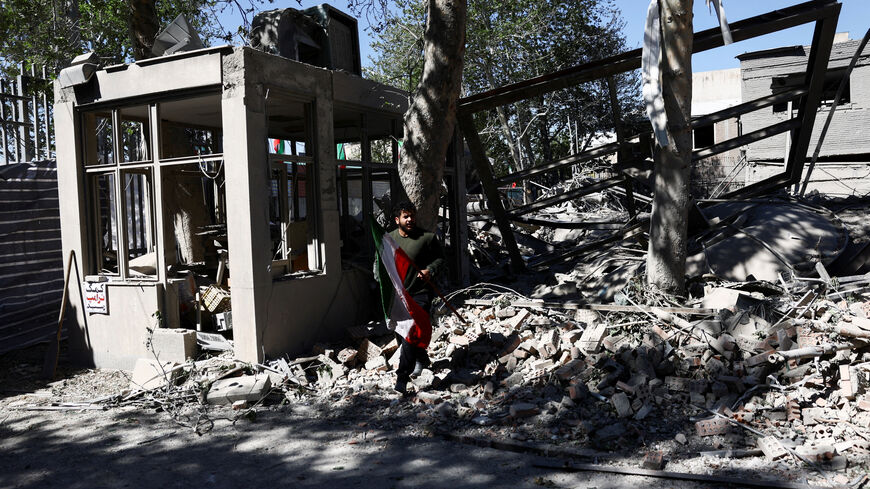
FILE PHOTO: A man carries an Iranian flag as he walks amidst the rubble of a building of the Sharif University of Technology, which was damaged in a strike, amid the U.S.-Israeli conflict with Iran, in Tehran, Iran, April 7, 2026. Majid Asgaripour/WANA (West Asia News Agency) via REUTERS /File Photo

Russia denies Ukrainian intelligence assessment that its hackers have teamed up with Iran's for cyberattacks

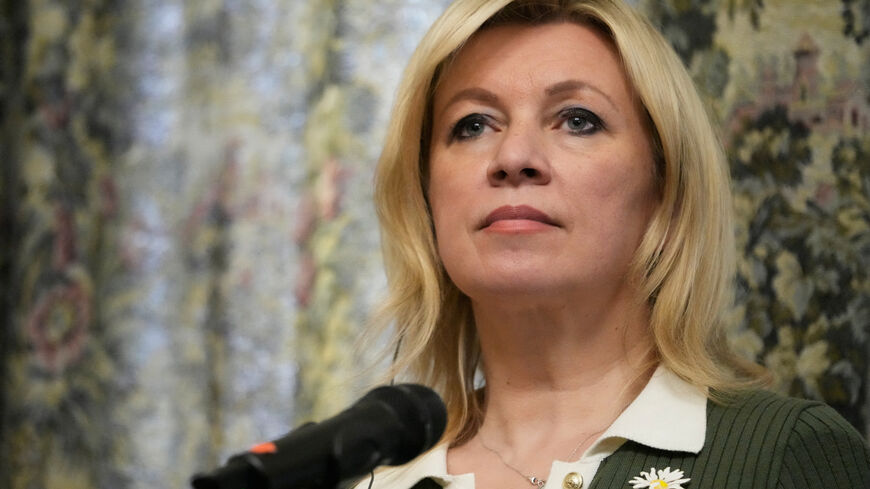
MOSCOW, April 8 (Reuters) - Russian Foreign Ministry spokeswoman Maria Zakharova said on Wednesday that Ukrainian intelligence assessments that Russian and Iranian hackers have joined forces, reported on Tuesday by Reuters, are false.

"Allegations of some kind of joint effort between Russian and Iranian hackers, as you put it, are yet another lie, in this case, perpetrated by the Kyiv regime and Kyiv terrorist groups," Zakharova said when asked by Reuters to comment on the report.

Russia's Foreign Ministry Spokeswoman Maria Zakharova attends a joint news conference of Egyptian Foreign Minister Badr Abdelatty and Russian Foreign Minister Sergei Lavrov following their meeting in Moscow, Russia April 3, 2026. Pavel Bednyakov/Pool via REUTERS