Iran, US agree to halt war and reopen Hormuz, sending oil prices tumbling

By Parisa Hafezi, Yomna Ehab and Humeyra Pamuk

DUBAI/WASHINGTON, June 15 (Reuters) - U.S. and Iranian officials said they had reached an agreement to end their war and reopen the Strait of Hormuz, a preliminary pact that sent oil prices falling but leaves the fate of Tehran's nuclear program to further negotiations.

While still a framework, the deal marked the biggest breakthrough towards resolving the conflict that has killed thousands and upended energy markets since it began with joint U.S.-Israeli strikes on Iran in February.
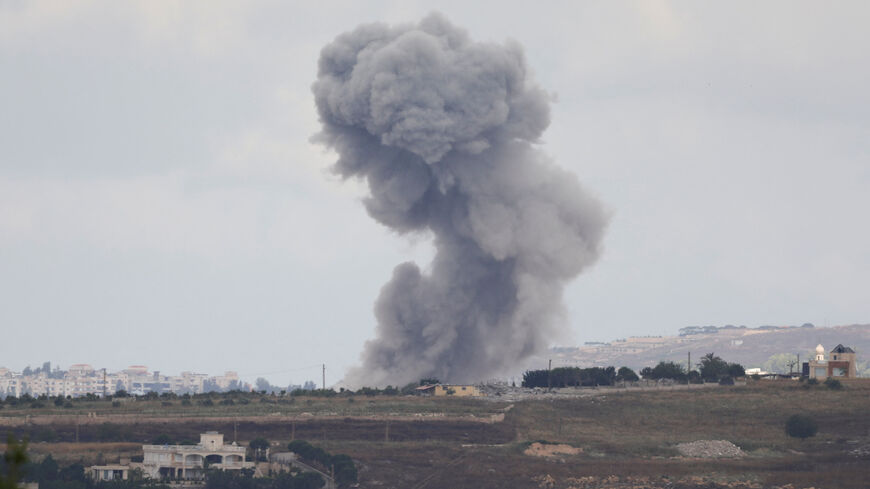
Smoke billows from southern Lebanon following an Israeli strike, as seen from Marjayoun, Lebanon, June 14, 2026. REUTERS/Stringer

G7 leaders meet in France after U.S. and Iran declare agreement to end war

By Gabriel Stargardter

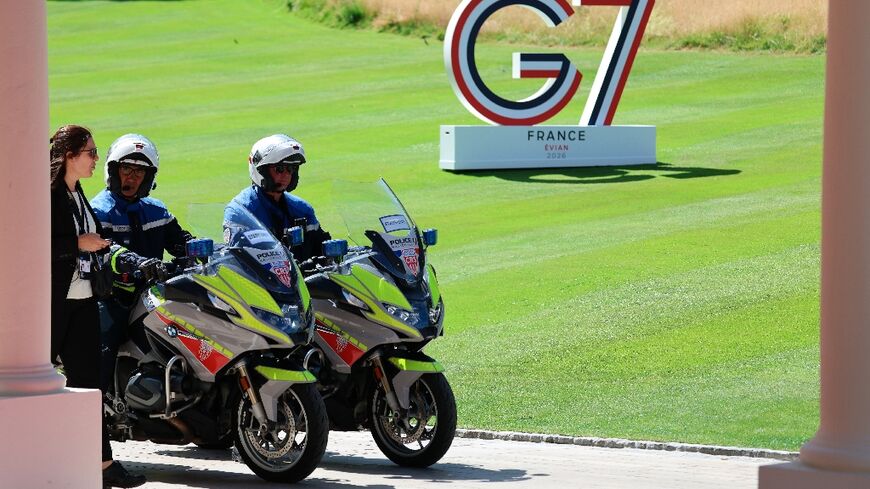
EVIAN-LES-BAINS, France, June 15 (Reuters) - Leaders of the Group of Seven wealthy nations meet at a French lakeside resort on Monday shortly after the U.S. and Iran said they had reached a preliminary deal to end their war.

Discussing next steps on Iran will be one of several issues the global leaders will wrestle with during the June 15-17 summit, which will also seek common ground on the war in Ukraine, tackling global economic imbalances and sourcing critical minerals outside of the dominant supplier China.

FILE PHOTO: G7 logos are pictured on the pier ahead of the G7 summit in Evian-les-Bains, France, June 12, 2026. REUTERS/Denis Baliboouse/File Photo

Trump faces G7 as questions swirl on Iran accord

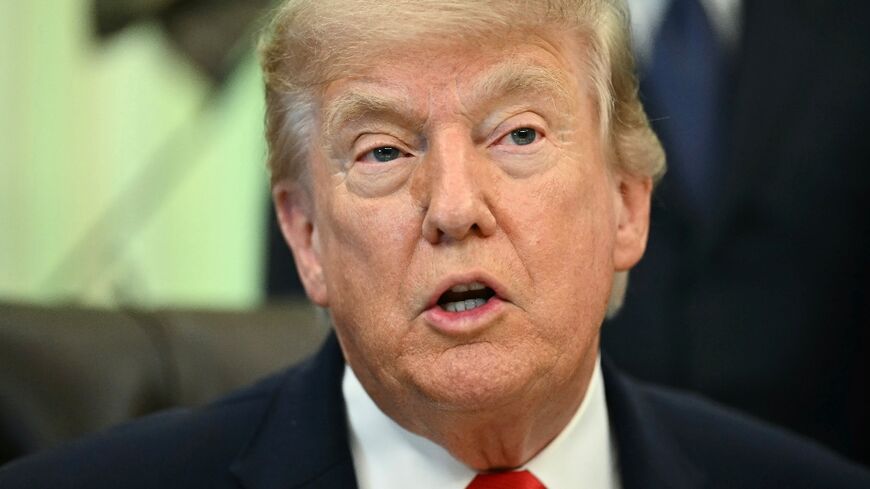
US President Donald Trump on Monday arrived to attend a G7 summit in France, with allies hoping his outline deal with Iran translates into a swift reopening of the Strait of Hormuz.

Air Force One carrying Trump touched down at the airport in the Swiss city of Geneva, from where Trump was to transfer to the nearby French spa resort of Evian for the summit hosted by French President Emmanuel Macron.

The G7 is set to tackle a host of explosive issues

Middle East war: peace deal reactions

The United States and Iran agreed to a peace deal and an end to military operations on all fronts, signalling the apparent end to more than three months of war in the Middle East.

Here are reactions from across the globe:

- 'Critical step': UN -

Secretary-General Antonio Guterres welcomed the peace deal as a "critical step towards the peaceful settlement of the conflict."

- 'Ready to support': France -

President Emmanuel Macron called for "the urgent and unconditional reopening of the Strait of Hormuz," adding that France and the UK were "ready to support."

US and Iran agree to a peace deal and an end to military operations on all fronts, signalling the apparent end to more than three months of war in the Middle East

Oil plunges, stocks jump on US-Iran peace deal

Oil prices dropped towards $80 a barrel and stocks rallied Monday after Washington and Iran reached a framework deal to end the Middle East war and reopen the Strait of Hormuz, spurring relief across global markets.

The announcement lifted the Dow to a fresh record, while the tech-dominated Nasdaq piled on more than three percent behind a nearly 20 percent surge in SpaceX following its impressive market debut Friday.

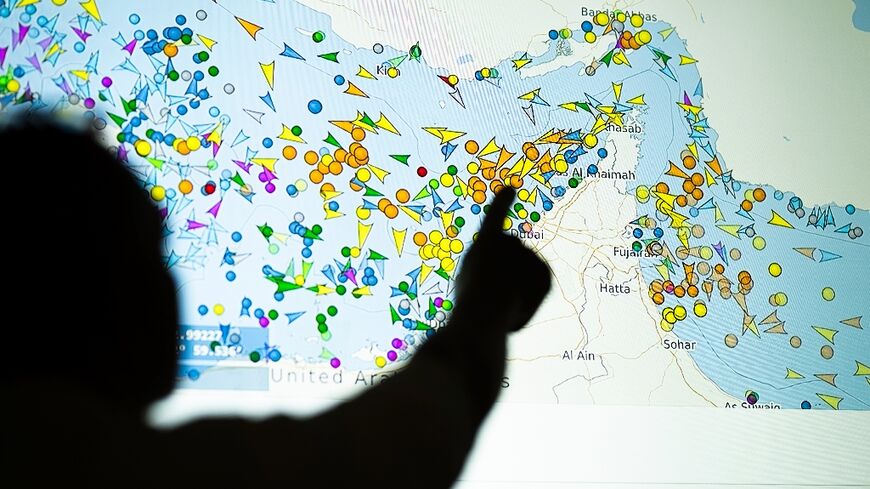
Oil prices jumped Monday as the UAE came under missile and drone attacks after US warships crossed the Strait of Hormuz

The Iranian leaders killed in Israeli-US war

Over the course of the US-Israeli war on Iran, waves of airstrikes killed an entire echelon of the Islamic republic's political and military elite, starting with supreme leader Ali Khamenei.

President Donald Trump had claimed in March that the campaign had achieved "regime change", but Iran showed resilience in rapidly replacing killed leaders and keeping up the war against the US and Israel.

With Washington and Tehran agreeing on a deal announced Monday to halt the conflict, here is a recap of the some of the key figures killed in the war:

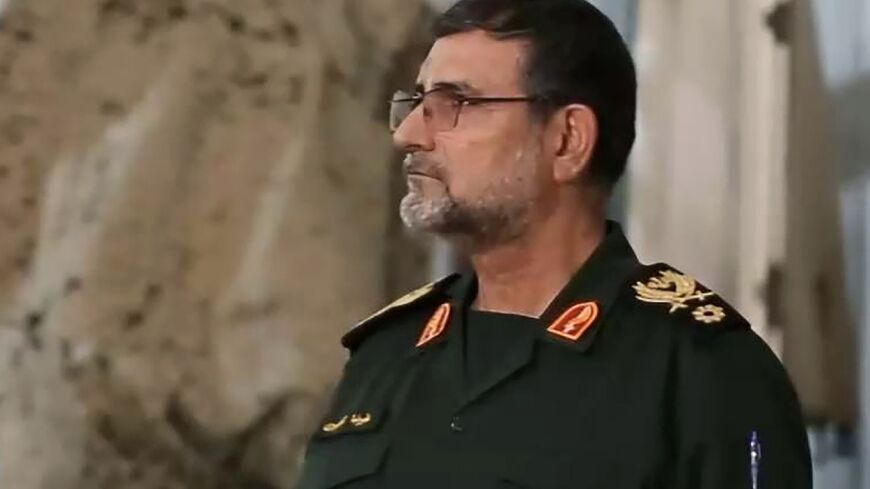
The Guards naval commander was one of the most recognisable figures in the force

Ghalibaf: ambitious 'public face' of post-Ali Khamenei Iran

Iranian parliament speaker Mohammad Bagher Ghalibaf has emerged as the key negotiator and one of the most high-profile figures in the Islamic republic's leadership as it enters a new phase after the US-Israeli war.

A pillar of the Iranian establishment for some three decades and one of its most prominent non-clerical figures, Ghalibaf, 64, had spearheaded the war effort and led the high-stakes negotiating process that culminated with an agreement announced Monday to halt the hostilities.

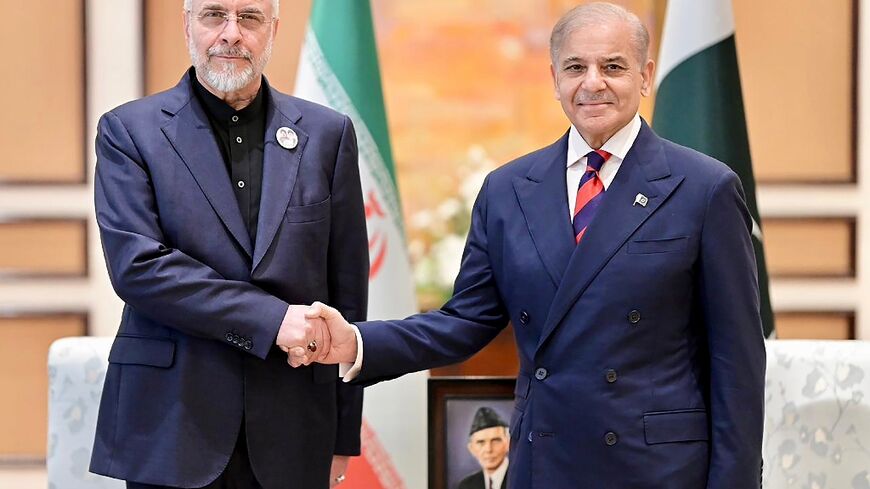
Ghalibaf (L), here shaking hands with Pakistan's Prime Minister Shehbaz Sharif (R) is a key figure in the talks

Analysis-Trump veers toward exit in Iran war but risks loom

By Matt Spetalnick and Humeyra Pamuk

WASHINGTON, June 14 (Reuters) - With an agreement on a framework for a peace deal with Iran, U.S. President Donald Trump may have found a way to begin extricating himself from an unpopular war while setting global markets on a path toward easing energy prices that have spiked during the crisis.

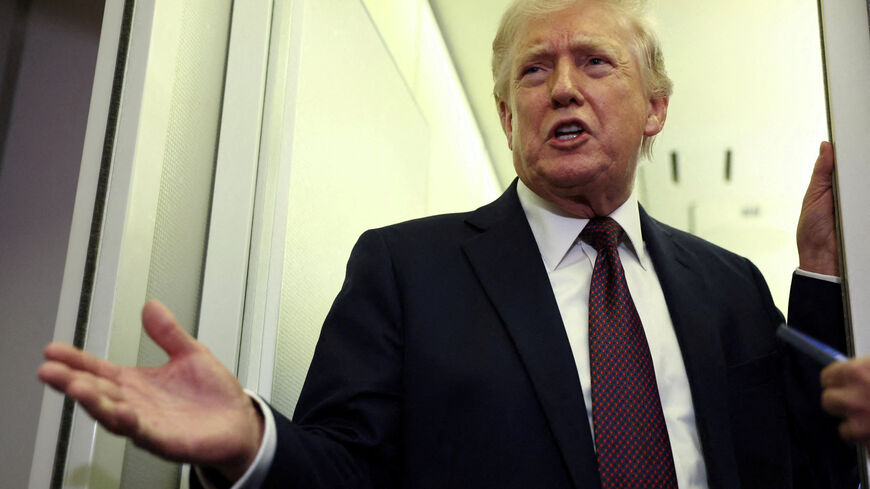
FILE PHOTO: U.S. President Donald Trump speaks to reporters aboard Air Force One on a flight back to Washington March 15, 2026. REUTERS/Kevin Lamarque/File Photo

Iran World Cup coach says 'impacted' by politics but ignoring 'hype'

Iran's coach Amir Ghalenoei said on Sunday political tensions and visa issues have damaged his side's preparations for the World Cup but insisted his players will not "pay attention to any of the hype."

Iran have arrived at the tournament under the shadow of a bitter diplomatic row, after the United States -- in military conflict with Iran for months -- refused to issue visas for some team support staff.

They play their opener against New Zealand in Los Angeles on Monday, marking the first time that a World Cup host has hosted a country with which it is at war.

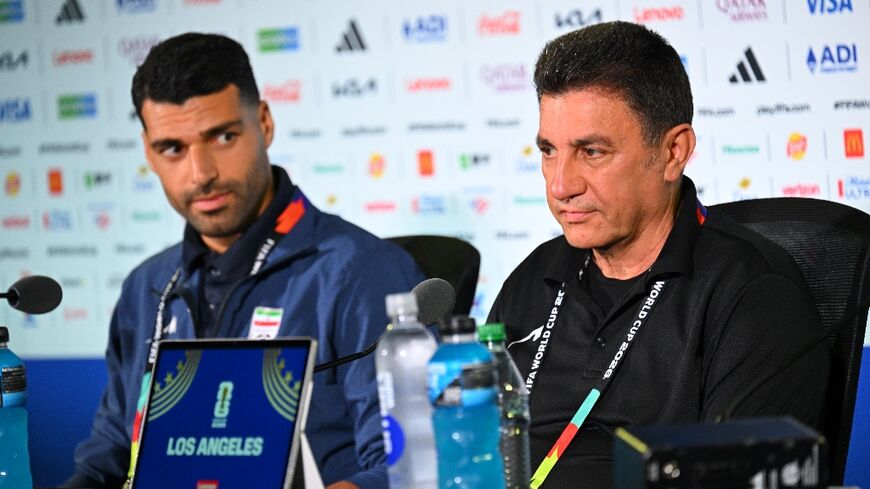
Iran's head coach Amir Ghalenoei  said his team are simply at the World Cup to 'represent the respectful people of Iran, be it the Iranians inside Iran or the Iranian diaspora'

Global leaders react to announcement of US-Iran peace agreement

June 15 (Reuters) - U.S. and Iranian officials said on Sunday they have agreed on a deal to end their war, halt the U.S. blockade of Iran and reopen the Strait of Hormuz, possibly leading to lower energy prices once oil shipments resume through the critical waterway.

Below is international reaction to the attacks:

Joint statement from E4 leaders Britain, France, Germany and Italy:

"Iran must never acquire a nuclear weapon. We stand ready to work with the U.S., Iran and the IAEA to this end."

British Prime Minister Keir Starmer:

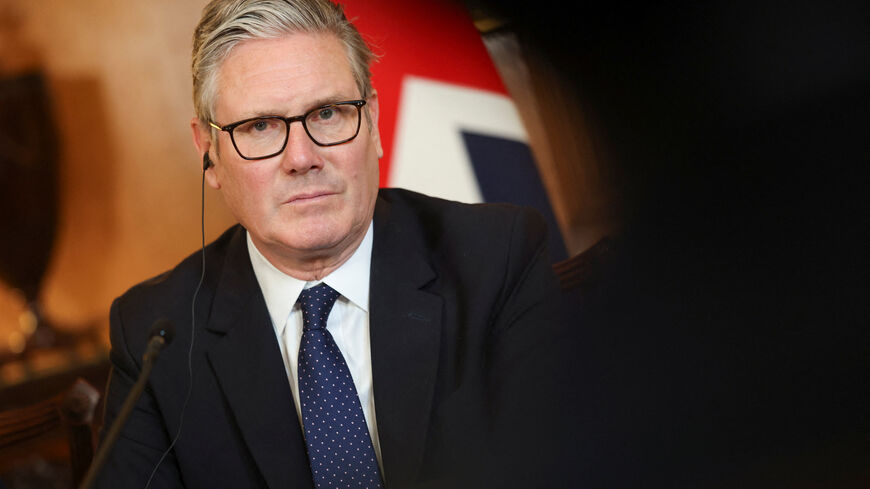
Britain's Prime Minister Keir Starmer and Japan's Prime Minister Sanae Takaichi (not pictured) attend a business roundtable meeting in Downing Street in London, Britain, June 14, 2026. REUTERS/Toby Shepheard/Pool