US general warns of IS 'army in detention' in Syria, Iraq

A US general warned Saturday that the Middle East faces the looming threat of an Islamic State group "army in detention", after visiting prisons and camps in northeastern Syria holding suspected jihadists and their relatives.

General Michael Kurilla, head of the US military's Central Command, visited several detention facilities this week, including Ghwayran prison in the city of Hasakeh, where hundreds were killed after jihadists stormed it early last year, a CENTCOM statement said.
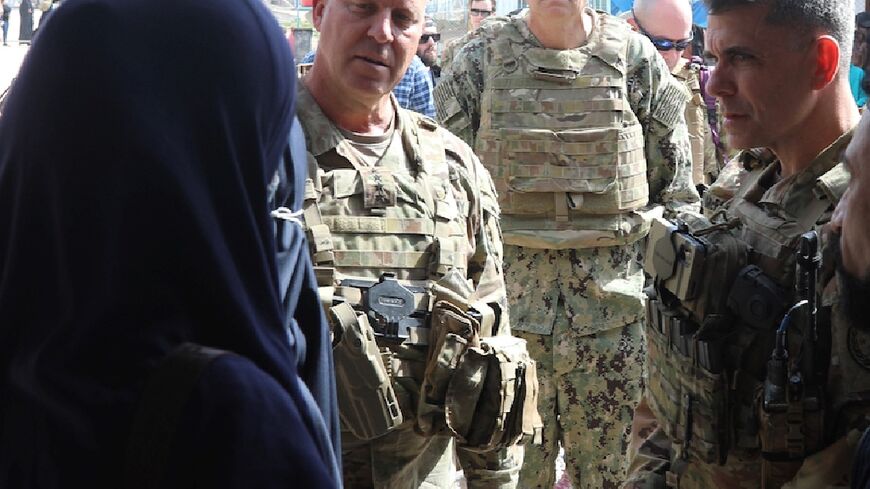
US Central Command chief General Michael Kurilla visits a detention camp for relatives of suspected jihadists run by Kurdish authorities in northeastern Syria

Iran says deal reached to buy Russian fighter jets

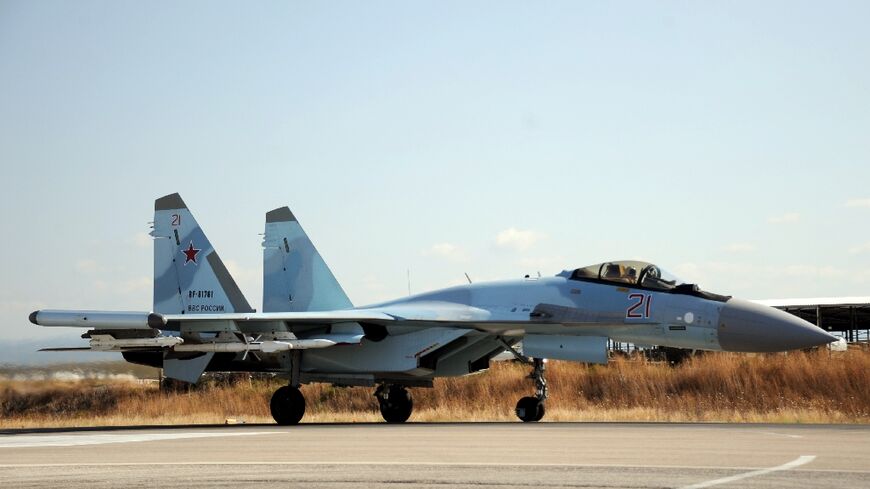
Iran has finalised a deal to buy Sukhoi Su-35 fighter jets from Russia, state media reported, as defence cooperation between the two countries deepens.

The air force of sanctions-hit Iran has an ageing fleet of aircraft and has struggled to acquire spare parts to keep its warplanes in the air.

In a statement to the United Nations, Tehran said it began approaching "countries to buy fighter jets" to replenish its fleet in the wake of the 1980-88 Iran-Iraq war.

Iran says it found the Russian Sukhoi Su-35 fighter jets "technically acceptable"

Syria centre seeks to rehabilitate IS-scarred foreign children

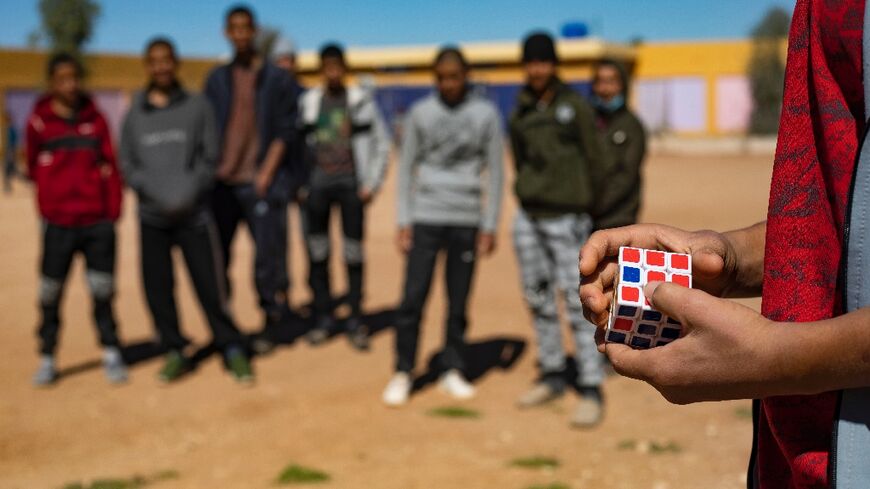
Children of foreign jihadists play football on a dirt field at a centre in northeastern Syria that Kurdish authorities hope will help rehabilitate minors raised on Islamic State group ideology.

More than 50 boys aged 11-17, some with parents hailing from Britain, France, Germany or the United States, live at the heavily guarded Orkesh rehabilitation centre near the city of Qamishli, close to the Turkish border.

A child of a foreign Islamic State group (IS) fighter holds a Rubik's Cube in a playground at the Orkesh rehabilitation centre in northeastern Syria

Saudi-Iran breakthrough adds new twist to Israel's Arab outreach

Saudi Arabia's surprise move to restore ties with Iran adds a new, complicated layer to its delicate diplomatic dance with Israel, which craves a breakthrough normalisation deal of its own, analysts said.

Riyadh and Tehran announced on Friday that after seven years of severed ties they would reopen embassies and missions within two months and implement security and economic cooperation agreements signed more than 20 years ago.

Saudi reforms are overshadowed by executions and tough treatment of dissidents

Made in China: Saudi-Iran deal goes beyond Middle East, say analysts

A surprise deal to restore ties between Saudi Arabia and Iran will reverberate across and beyond the Middle East, analysts said Friday, touching everything from Yemen's war to China's regional engagement.

The agreement calls for the long-time rivals "to resume diplomatic relations and reopen embassies and missions within two months".

It ends the rupture that emerged in 2016 after protesters in Shiite-majority Iran attacked the diplomatic missions of mainly Sunni Saudi Arabia following the Saudi execution of revered Shiite cleric Nimr al-Nimr.

Saudi analysts say China's role in brokering the thaw with Iran makes it more likely the deal will endure

Nearly 130,000 facing starvation in Horn of Africa: WHO

Nearly 130,000 people in the Greater Horn of Africa are "staring death in the eyes" from catastrophic hunger, the World Health Organization (WHO) warned Friday.

Some 48 million people in the Greater Horn -- Djibouti, Ethiopia, Kenya, Somalia, South Sudan, Sudan and Uganda -- are facing crisis levels of food insecurity, the WHO said.

That means households skipping meals and depleting savings and assets in order to eat.

Of those, six million are facing emergency levels of food insecurity, and 129,000 are at the worst level -- catastrophe.

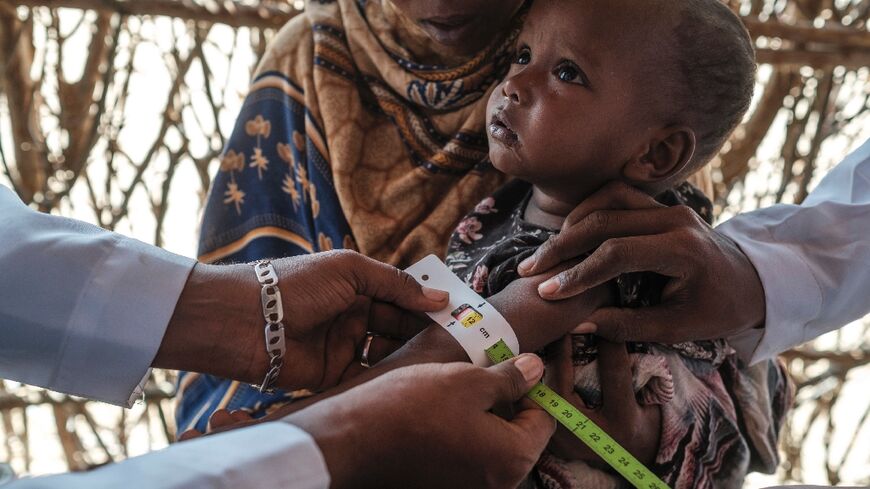
A health worker takes an arm measurement, a benchmark of malnutrition, at a Save the Children mobile clinic near Gode, Ethiopia

Iran, Saudi to restore ties in major step for Middle East

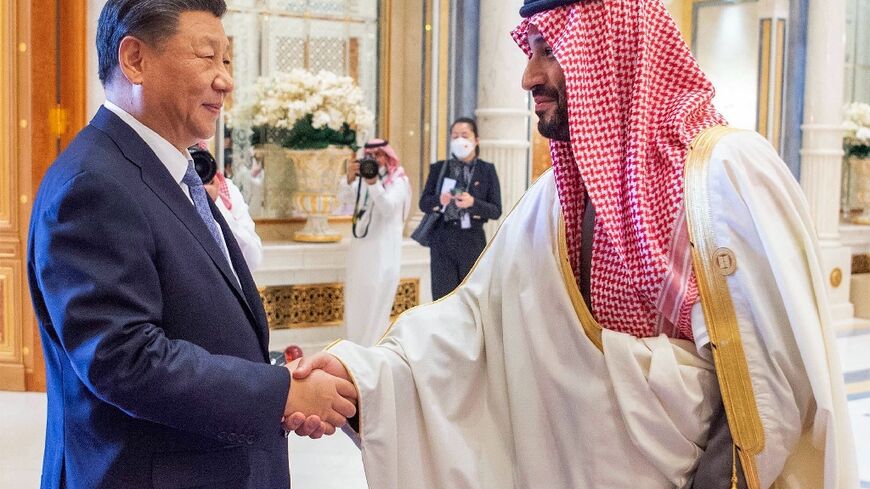
Regional powerhouses Iran and Saudi Arabia agreed Friday to restore ties and reopen diplomatic missions in a surprise, Chinese-brokered announcement that could have wide-ranging implications across the Middle East.

In a trilateral statement, Shiite-majority Iran and mainly Sunni Muslim Saudi Arabia said they would reopen embassies and missions within two months and implement security and economic cooperation deals signed more than 20 years ago.

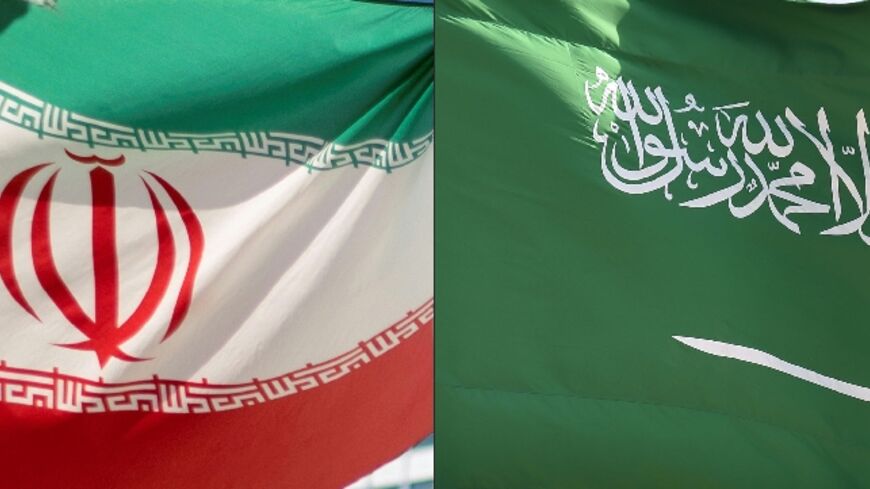
A combination photo shows the flags of Iran (L) and Saudi Arabia (R)

Two Palestinians killed in West Bank, one by Israeli settler

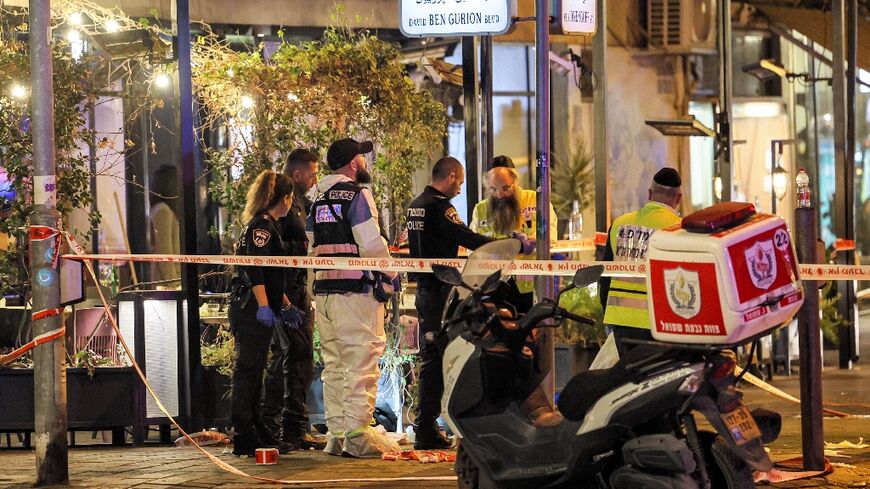
Two Palestinians were killed in the West Bank Friday, one of them by a settler, after a shooting hit Tel Aviv, as a surge of Israeli-Palestinian violence shows no letup.

Tensions remained high a day after Pentagon chief Lloyd Austin had, on a visit to Israel, called for de-escalation ahead of the Muslim fasting month of Ramadan in March and the Jewish holiday of Passover in April.

Israeli police, forensics experts, and paramedics at the scene of a shooting attack along Tel Aviv's Dizengoff Avenue

Shock and awe: the toppling of Saddam Hussein 20 years ago

It took just three weeks for the decades-old regime of Iraq's feared dictator Saddam Hussein to fall in one of the most controversial foreign military interventions of modern times.

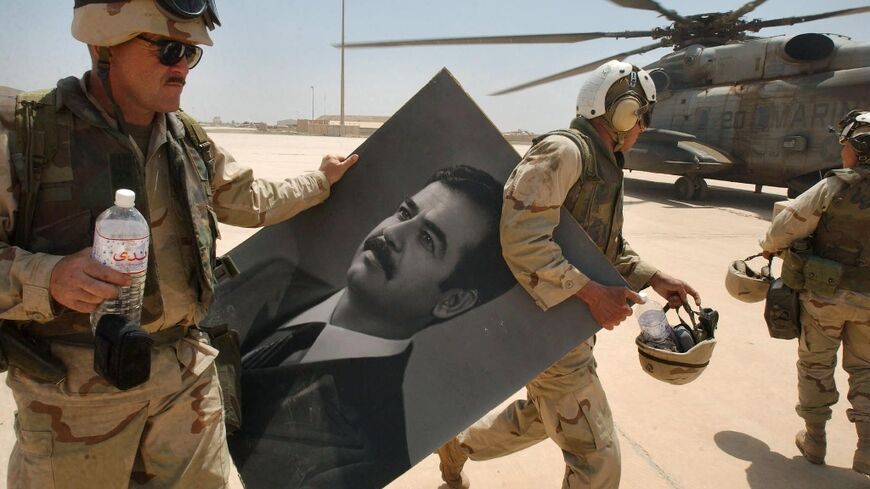
Then-US president George W. Bush began major air strikes on Iraq on March 20, 2003, claiming that Saddam's regime illegally possessed weapons of mass destruction, though none were ever found.

The coalition spearheaded by US and British forces then launched the major ground invasion, which climaxed with the fall of Baghdad on April 9, symbolised by the toppling of a towering statue of Saddam.

US Marines carry a portrait of toppled Iraqi president Saddam Hussein at the international airport in Baghdad, in this file photo from April 14, 2003

Pain and faint hopes as Iraqis look back at US invasion

Two decades after the US-led invasion of Iraq toppled Saddam Hussein, its war-weary people recount their painful memories of dictatorship, major conflict and years of violent turmoil.

Some told AFP about the iron-fisted repression under Saddam, others spoke of the traumatic childhoods they endured, marred by bullets, bombs and bloodshed.

They look back at the horrors of the Islamic State group and the dashed hopes of a brief anti-government protest movement. Some note signs of progress, but few voice any real optimism about the future.

- 'Terrified childhood' -

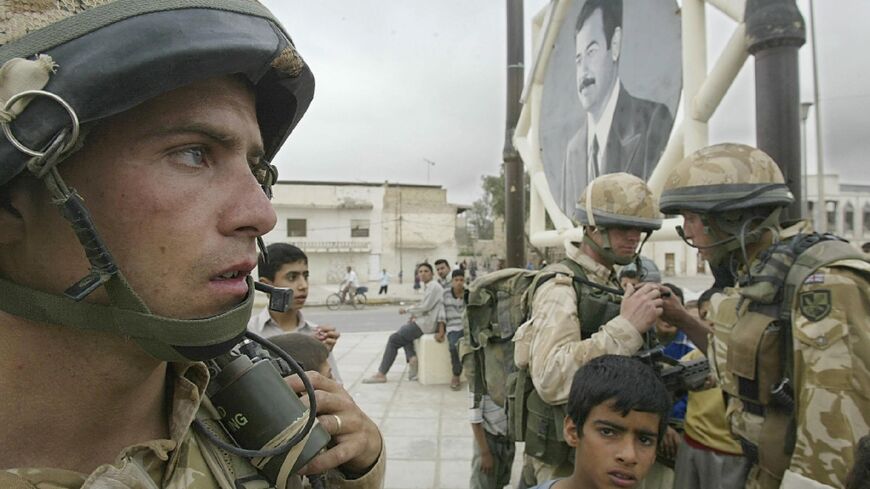
British troops seen next to a portrait of Iraqi president Saddam Hussein while they patrol Basra's old city, in a file photo from April 7, 2003