Battling drug crisis, Iraq searches for cure

Mohammed has been taking nearly a dozen captagon pills daily for seven years. Now, as Iraq grapples with a major drug crisis, the 23-year-old hopes for a fresh start.

Iraq, which borders with Iran, Syria and Saudi Arabia, has long been a transit country for the region's ballooning trade in the amphetamine-type drug and other narcotics.

But in recent years, Iraq itself has witnesses a dramatic spike in drug abuse, prompting authorities to search for answers, both by cracking down on traffickers and by providing help to addicts.
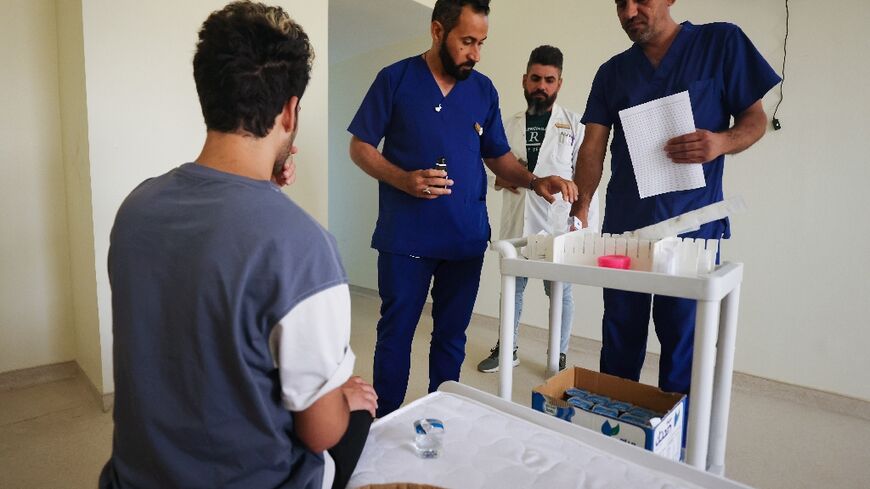
Some 40 patients are treated at Al-Canal Center for Social Rehabilitation in Baghdad amid a spike in drug abuse

Palestinian rivals form 'reconciliation committee'

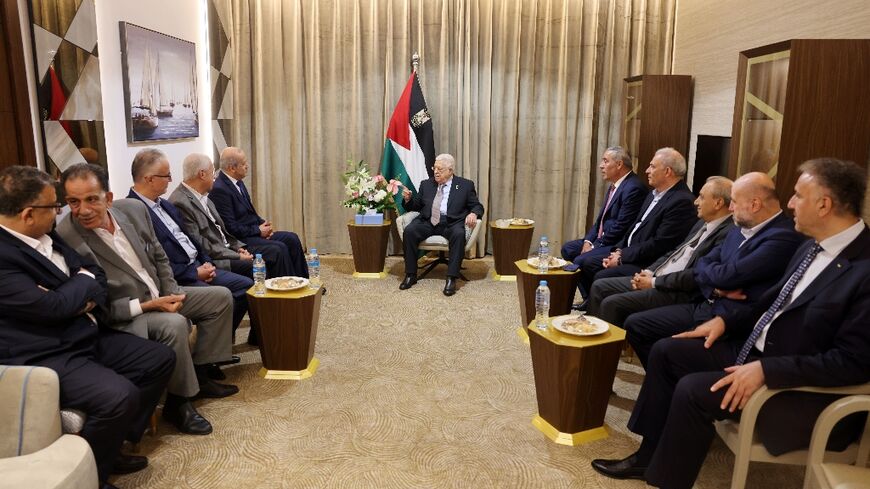
Rival Palestinian political leaders meeting in Egypt decided on Sunday to form a committee on intra-Palestinian reconciliation, a move that one analyst doubted would end their 17-year rift.

President Mahmud Abbas and Hamas leader Ismail Haniyeh met for rare face-to-face talks in the coastal city of El Alamein along with representatives of most Palestinian political factions.

Palestinian president Mahmud Abbas (C) meeting with a delegation of the Popular Front for the Liberation of Palestine ahead of talks in El Alamein

Tuareg flock to Algerian desert oasis for ancient festival

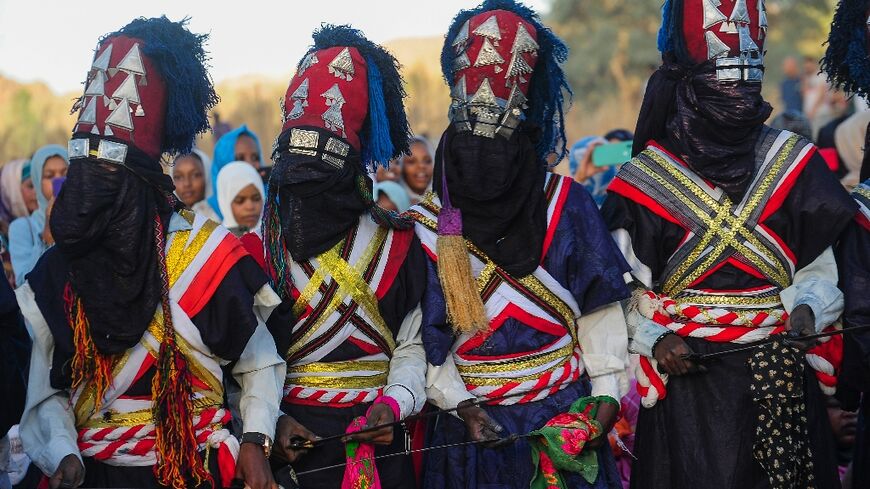
In a riot of colour, music and dance, thousands of Tuareg have flocked to the Sebeiba festival that marks the end of an ancient tribal feud and which once a year transforms an oasis town deep in the Algerian Sahara.

The Tuareg are a semi-nomadic people of Berber descent who practice Islam and whose traditional desert homeland stretches across parts of Algeria, Libya, Niger, Mali and Burkina Faso.

Men perform a traditional dance during the Sebeiba Festival, a yearly celebration of Tuareg culture, in the oasis town of Djanet in southeastern Algeria, on July 29, 2023

Iraq and Kuwait seek to solve contested border issue

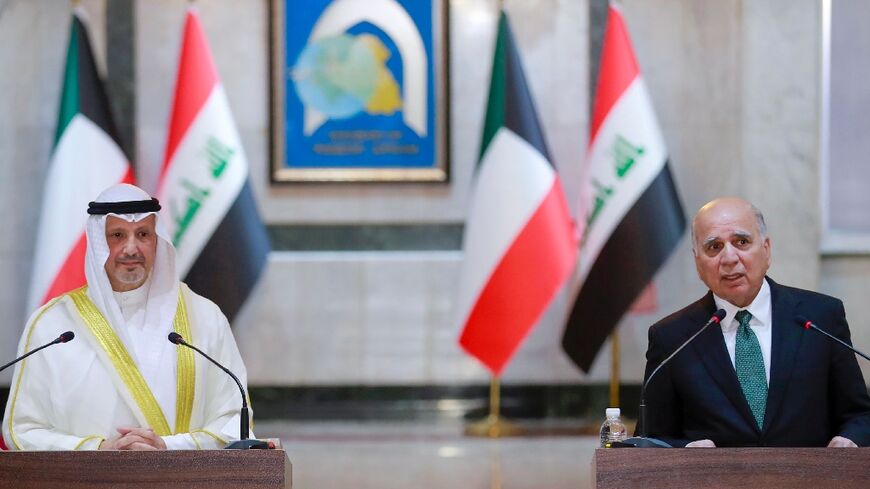
Iraq and Kuwait will work towards reaching a definitive agreement on demarcating their borders, including a contested maritime area of the Gulf, their foreign ministers said on Sunday.

The de facto land and maritime borders between the neighbouring states were established by the United Nations in 1993, three years after Iraq under Saddam Hussein invaded Kuwait.

While Iraqi officials have previously expressed a readiness to recognise Kuwait's land border, the maritime border remains a point of contention.

The foreign ministers of Kuwait (L) and Iraq give a press conference in Baghdad

Lebanon clashes kill six in Palestinian refugee camp

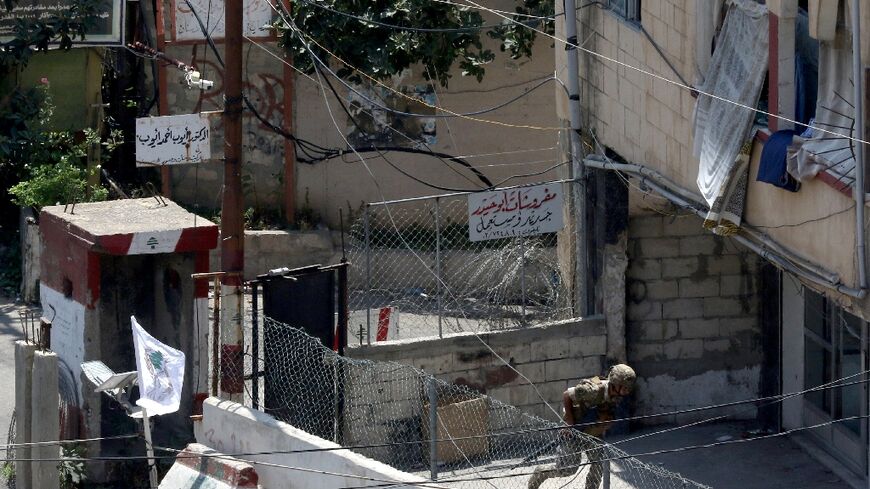
At least six people were killed Sunday in clashes in south Lebanon's restive Ain al-Helweh Palestinian refugee camp, said Palestinian president Mahmud Abbas's Fatah movement and a source at the camp.

The fighting between Fatah and Islamists in the camp, which erupted overnight and subsided by the evening, killed a Fatah military leader and four of his colleagues, the secularist movement said.

A Lebanese soldier takes cover at the entrance to Ain al-Helweh

Morocco's Benzina makes history with hijab at Women's World Cup

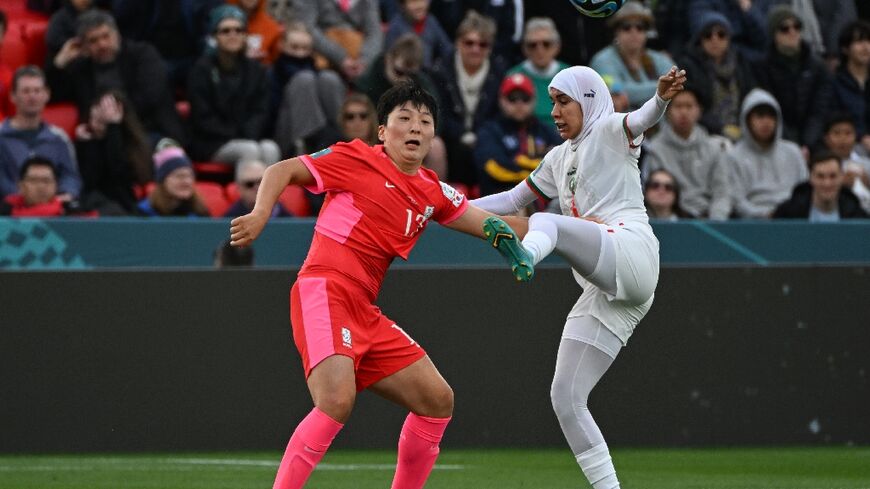
Nouhaila Benzina became the first player to wear a hijab during a Women's World Cup game when she sported the Muslim headscarf in Morocco's match against South Korea on Sunday.

World governing body FIFA lifted its ban on footballers wearing the hijab nearly a decade ago, after previous concerns over player safety.

The 25-year-old defender Benzina, who plays her club football in Morocco, ran out against South Korea in Adelaide to write her name in the history books.

Nouhaila Benzina in action against South Korea

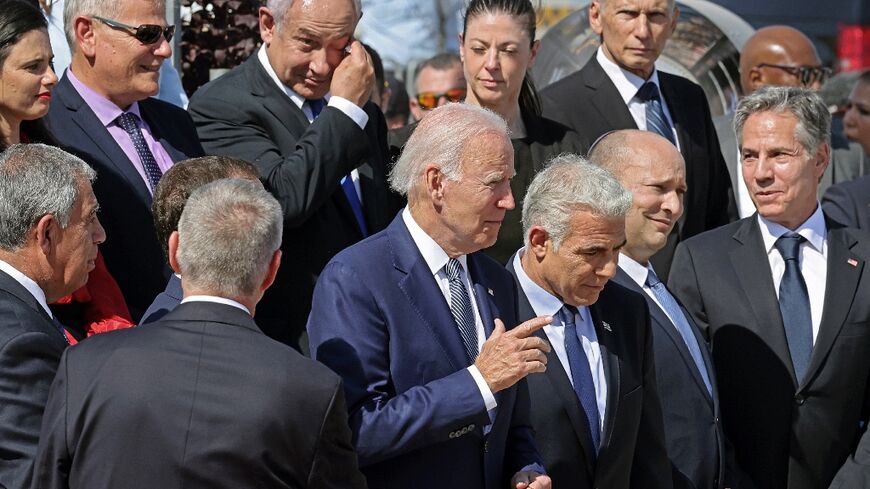
Biden and Netanyahu, unhappily bound in a key alliance

They have known each other for decades, rubbing shoulders at countless international events, but there is little love lost between US President Joe Biden and Benjamin Netanyahu as the Israeli prime minister faces a full-blown crisis over a contested judicial reform.

For the Democratic president, a fervent supporter of Israel for a half-century, the dilemma has become increasingly public as he seeks ways to work with the most far-right Israeli government in history.

(front L to R) US President Joe Biden, Israel's caretaker Prime Minister Yair Lapid, outgoing Prime Minister Naftali Bennett, US Secretary of State Antony Blinken, former prime minister Benjamin Netanyahu (back 3rd L), and Transport Minister Merav Michaeli (2nd R)stand after posing for a commemorative picture at Israel's Ben Gurion Airport in Lod near Tel Aviv, on July 13, 2022.

Israelis protest after government pushes through key reform

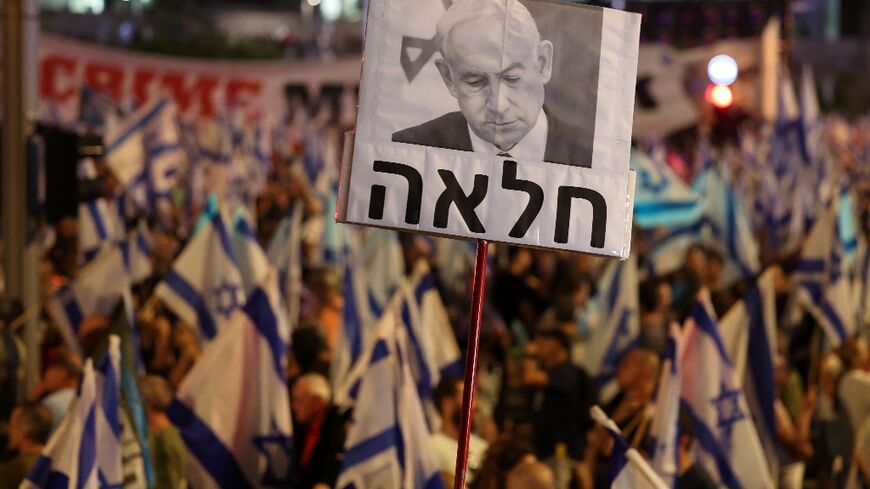
Thousands of Israelis took to the streets Saturday to protest the government's decision to forge ahead with its judicial reform package despite widespread opposition.

Demonstrators waving Israeli flags rallied in the country's commercial hub Tel Aviv, keeping up the momentum of months of protests against Prime Minister Benjamin Netanyahu's proposals.

"We still love this country and we're trying to fix all the problems," said film composer Itay Amram.

Israeli protesters vent their anger at Prime Minister Benjamin Netanyahu's decision to forge ahead with his government's judicial reforms despite widespread opposition

Hezbollah chief in new attack on same-sex relations

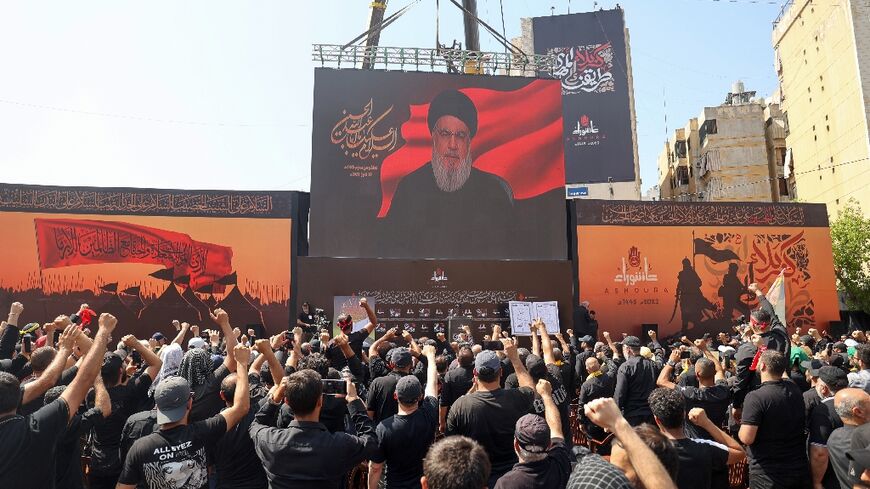
The leader of Lebanon's powerful Hezbollah movement on Saturday stepped up his attacks against the region's long-marginalised LGBTQ community.

"We are not making up battles, nor are we making up dangers. This is a real danger that is imminent and has begun," Hassan Nasrallah said in a televised speech for the annual Ashura commemoration, among the most important in Shiite Islam.

Last week, Nasrallah had said gay people, "even if they do it once... are to be killed".

Hassan Nasrallah, who heads the Lebanese Shiite movement Hezbollah, has called for the killing of gay people

Israelis back on streets to protest judicial overhaul vote

Thousands of Israelis returned to the streets of Tel Aviv late Thursday to protest against parliament's approval of a key component in the hard-right government's controversial judicial reform package.

On Monday, Prime Minister Benjamin Netanyahu and his coalition allies pushed through a bill in the chamber, which opponents say opens the way to more authoritarian government.

The bill limits the "reasonableness" clause used by the Supreme Court to overturn government decisions which the judges deem unconstitutional.

Protesters march in Tel Aviv against the judicial reforms