Bollywood's 'King Khan' steals show at Indian film awards

Bollywood icon Shah Rukh Khan declared "it's good to be back" as he won best actor at the International Indian Film Academy Awards on Saturday after a long absence from the limelight.

The 58-year-old stole the show as event co-host before walking off with the coveted prize for his role in the action thriller "Jawan", capping a five-hour show in Abu Dhabi.

"I just want to tell you it's good to be back," he told a packed crowd in the capital of the oil-rich United Arab Emirates, which has a large Indian population.

Bollywood actress Janhvi Kapoor arrives to attend the 24rd edition of the International Indian Film Academy (IIFA) Awards in Abu Dhabi

Retaliation or defeat: Hezbollah at crossroads after Nasrallah's killing

Israel's killing of Hassan Nasrallah leaves Hezbollah under huge pressure to deliver a resounding response to silence suspicions that the once seemingly invincible movement is a spent force, analysts said.

Widely seen as the most powerful man in Lebanon before his death of Friday, Nasrallah was the face of Hezbollah and Israel's arch-nemesis for more than 30 years.

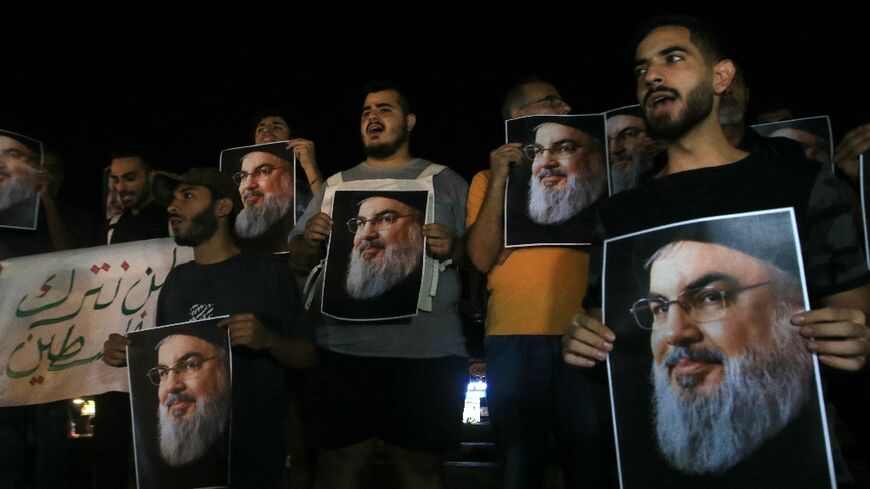
Demonstrators hold pictures of slain Hezbollah leader Hassan Nasrallah during a protest vigil in the southern Lebanese city of Sidon

Justice or assassination: leaders react to Israel's killing of Nasrallah

World leaders warned of potential repercussions on Saturday after Lebanese militant group Hezbollah announced its longtime leader Hassan Nasrallah was killed in an Israeli air strike on a suburb of Beirut.

The killing of the Iran-backed group's chief has intensified fears of all-out war in the Middle East.

US President Joe Biden welcomed "a measure of justice".

- Iran -

First Vice President Mohammad Reza Aref warned Israel that Nasrallah's death would "bring about their destruction", Iran's ISNA news agency quoted him as saying.

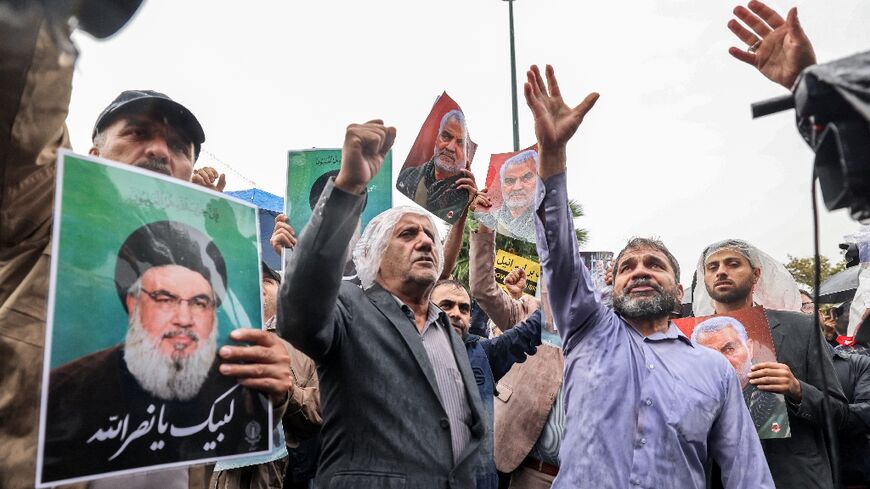
Demonstrators in Tehran's Palestine Square on September 28, 2024, after Hezbollah confirmed the killing of its leader Hassan Nasrallah

Embattled Netanyahu buoyed by Hezbollah chief's killing: analysts

The killing of Hezbollah chief Hassan Nasrallah is a major boost for embattled Israeli Prime Minister Benjamin Netanyahu, who has faced huge protests at home and growing criticism from abroad, analysts said Saturday.

Yet Israeli officials stressed their fight against the Lebanese militant group was not over, again teasing the possibility of a ground incursion even as they crowed about the death of one of their country's "greatest enemies".

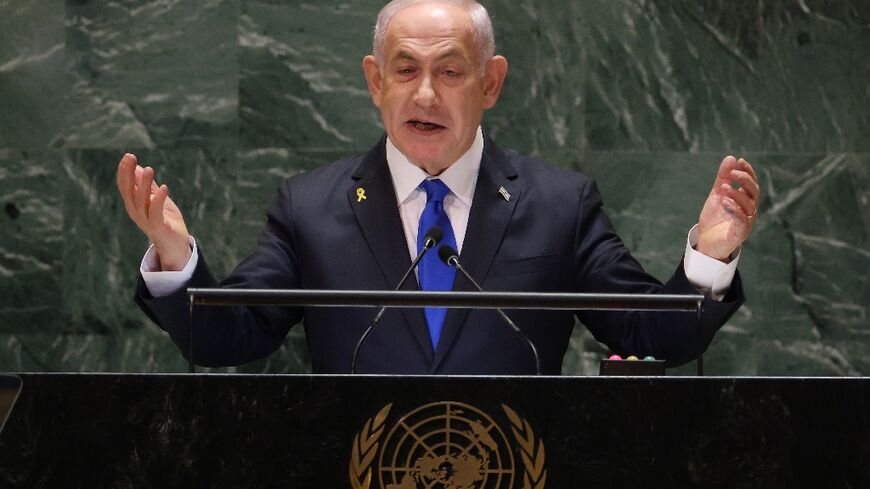
Israeli Prime Minister Benjamin Netanyahu faced a largely hostile audience at the UN General Assembly Friday but the killing of one of Israel's top foes in an air strike just hours later shored up his domestic standing

Safieddine, the apparent Hezbollah heir who was killed by Israel

Hashem Safieddine, whose death in an Israeli strike was announced Tuesday, was widely considered the potential successor to the group's assassinated leader Hassan Nasrallah.

Israel said he was killed along with other Hezbollah leaders in an airstrike in southern Beirut three weeks ago. Hezbollah has yet to communicate about the claim.

Contact with Safieddine had been lost after Israeli attacks targeted him on October 4, Hezbollah officials said at the time.

Unlike Nasrallah, Hashem Safieddine has appeared openly at recent political and religious events -- including the funeral of Hezbollah members in Beirut's southern suburbs on September 18, 2024

In war-battered Gaza, Palestinians mourn death of Israel enemy Nasrallah

Palestinians mourned Saturday the death of Hezbollah chief Hassan Nasrallah in an Israeli strike, hailing the slain militant leader as a "rare" figure who backed his fierce rhetoric with determination to fight Israel.

Gaza City resident Khalil Youssef, 45, said that "the martyrdom" of Nasrallah, a powerful ally of Palestinian armed group Hamas, was "a great loss for us as Palestinians".

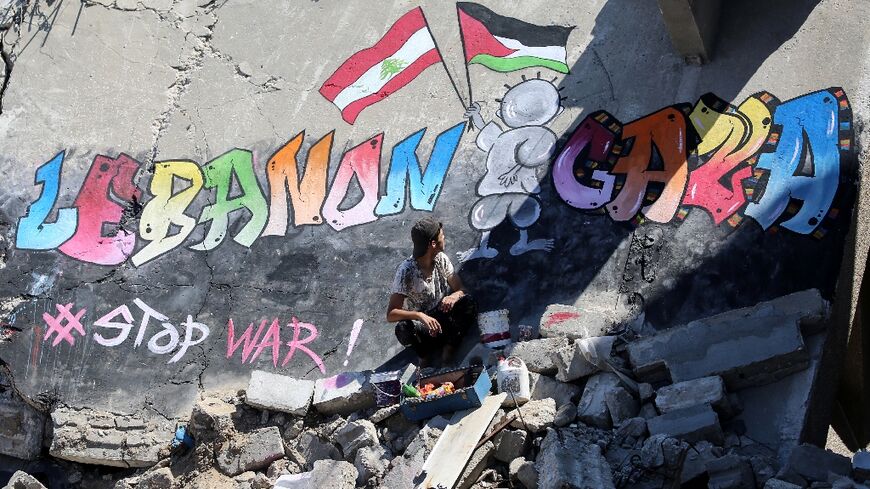
A Palestinian artist has painted a mural on the remains of a flattened Gaza building, in a message of solidarity with Lebanon

Hezbollah's Nasrallah: Lebanon's most powerful man killed by Israel

Slain Hezbollah chief Hassan Nasrallah, whose death was confirmed Saturday by his Iran-backed movement, wielded great power in Lebanon but led a life in hiding to avoid assassination by his group's arch-enemy, Israel.

Lebanon's most powerful man and the only one in the tiny Mediterranean country with the power to wage war, Nasrallah was killed aged 64 in a wave of Israeli strikes on Friday on Hezbollah's main bastion in south Beirut.

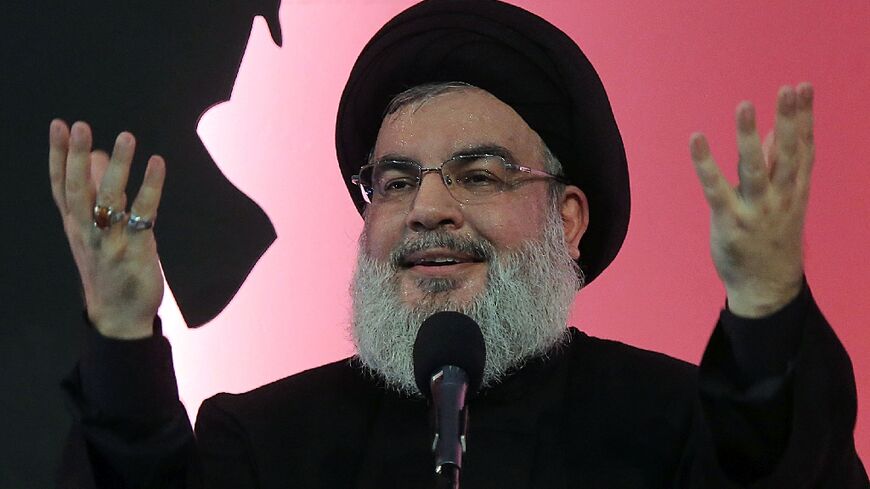
Hezbollah chief Hassan Nasrallah in Beirut's southern suburbs in 2016

Hezbollah: powerful Lebanese armed group with regional role

Lebanon's Hezbollah movement has been a powerful domestic and regional force, politically and militarily, but the group's confirmation on Saturday of its leader's killing marks an unprecedented blow.

Financed and armed by Iran, Hezbollah is the most prominent actor in the Axis of Resistance -- regional pro-Tehran armed groups opposed to Israel. They also include Palestinian militants Hamas, Iraqi movements and Yemen's Huthi rebels.

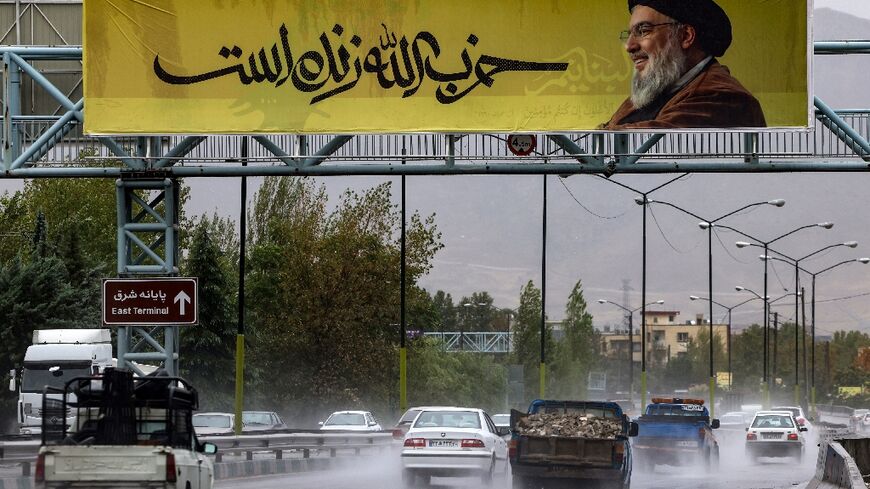
A picture of Hezbollah leader Hassan Nasrallah reads in Farsi, 'Hezbollah is alive', in northern Tehran before the Lebanese movement confirmed his death, which Israel said occurred in a strike on Beirut

Dozens of buildings razed in Israeli strikes on south Beirut: AFP

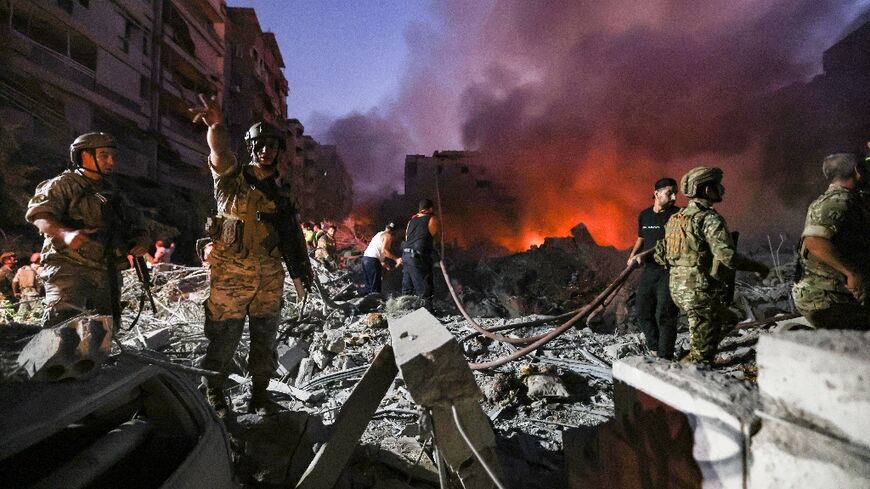
Dozens of buildings in Beirut have been completely destroyed by intense Israeli strikes overnight after Israel said it had killed Hezbollah chief Hassan Nasrallah, an AFP photographer on the ground reported Saturday.

Thousands of people left the usually densely packed residential southern suburbs of the Lebanese capital following Israeli evacuation orders.

Some buildings were still burning on Saturday morning, with smoke billowing over several locations in south Beirut, also known as Dahiyeh.

Rubble and twisted metal filled the streets, clogging roads in some areas.

Lebanese soldiers gather over the rubble of a levelled buildings, following Israeli air strikes in the Haret Hreik neighbourhood of Beirut's southern suburbs

Thousands sleep on the streets as Israel strikes Beirut

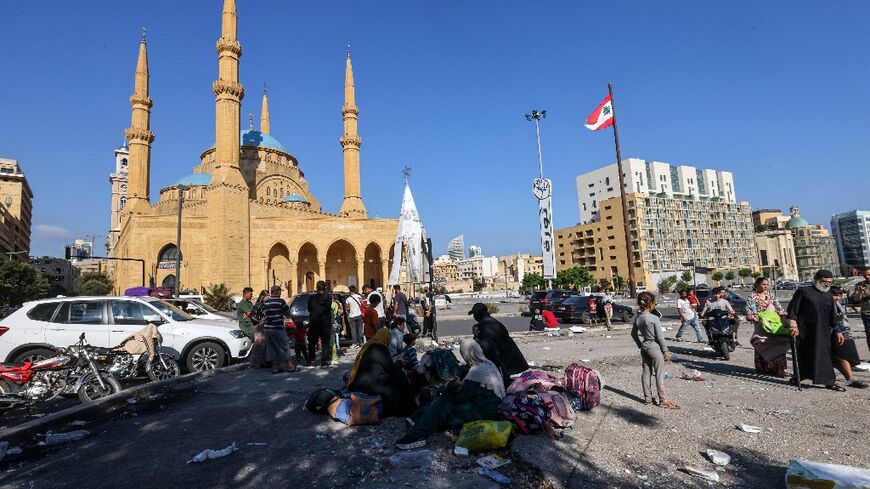
Thousands of residents in Beirut's densely-packed southern suburbs camped out overnight in streets, public squares and makeshift shelters after Israel ordered them out before its jets attacked the Hezbollah stronghold.

"I expected the war to expand, but I thought it would be limited to (military) targets, not civilians, homes, and children," said south Beirut resident Rihab Naseef, 56, who spent the night in a church yard.

Many families who fled the southern suburbs spent the night in Beirut's Martyrs' Square